
Unmissable Conservation Areas in Ontario Near Major Cities
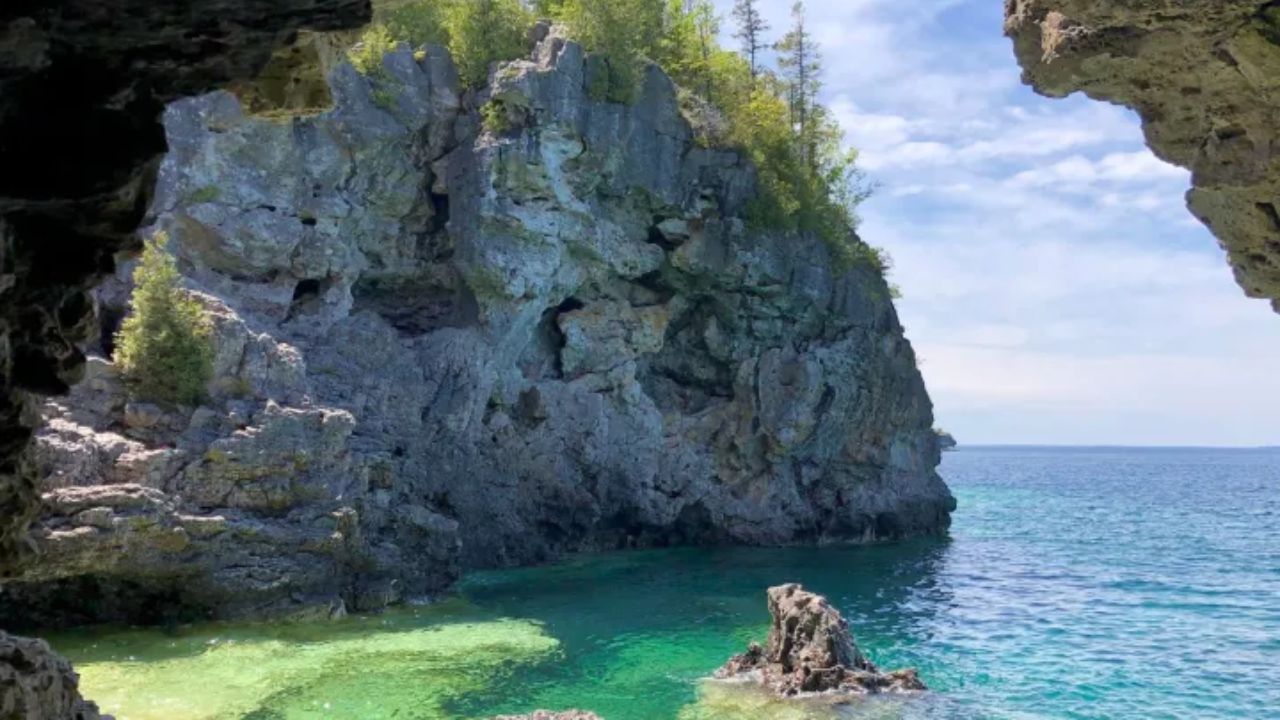
Ontario does conservation a little differently than most places. It doesn’t tuck nature far away and call it a “special trip.” It weaves nature right into everyday life. You can finish work, grab a coffee, and be walking through wetlands, forests, or along a river in under an hour.
That’s what makes conservation areas in Ontario feel unique. They’re not remote or intimidating. They’re familiar, close, and quietly impressive. You’ll be surprised to know that there are more than 300 conservation areas in Ontario.
These are the places you return to often, not once. Places that remind you that even with traffic, condos, and long commutes, real nature is never that far away here.
If you’ve ever thought you needed a full weekend or a long drive to “get out,” this list might change your mind.
Why Conservation Areas in Ontario Work So Well Near Cities
Conservation areas in Ontario aren’t bucket list destinations. They are meant to be visited daily. These are the spaces that are present to protect watersheds, forests, and wildlife, but also to give nearby communities somewhere to breathe.
This balance between nature and mankind shows up in small but important ways. Trails are shorter and easier to follow. Parking is easy to get, and you’re rarely more than a few minutes from a trailhead.
That makes them ideal for day trips, quick resets, and last-minute plans. You don’t need to train for them. You don’t need fancy gear. You just need a bit of time and decent shoes.
For anyone living near Toronto, Hamilton, Ottawa, or other major centres, these areas quietly become part of life instead of a special occasion.
What Makes a Conservation Area Worth Visiting
Not all conservation areas feel the same, and that’s a good thing.
Some focus on wetlands and birdlife, while others protect forest corridors or river systems. Some surprise you with escarpment views or open meadows you didn’t expect to find so close to the city.
The best ones tend to share a few traits:
- Easy access without feeling crowded
- Trails that offer variety without being exhausting
- Natural features that change with the seasons
- Space to slow down, not just pass through
You don’t need dramatic scenery for a place to feel meaningful. Sometimes a quiet loop trail beside a creek does more for your head than a famous lookout ever could.
Conservation Areas Near Toronto That Feel Like a Break
Living near Toronto can make nature feel far away, even when it isn’t. You don’t need a full day here. Even a couple of hours can reset things more than expected.
Rouge National Urban Park
Rouge is one of the most accessible and diverse conservation areas in Ontario. It stretches from Lake Ontario deep into forests, farms, and wetlands. You can hike for hours or stroll for forty minutes and still feel immersed.
What makes Rouge special is its balance. You see wildlife, historic sites, and wide trails that suit beginners. Families love it, but there are quiet corners too if you know where to look. This is one place where a guided experience adds value.
Don Valley Brick Works
The Don Valley surprises people. It runs through Toronto, yet once you drop into the ravine, the city fades fast. Old trees, winding paths, and river sounds take over.
This area is perfect if you want a short nature hit without a long trip. It also tells a powerful story about land recovery. What was once heavily industrial now supports wildlife again.
Humber River
The Humber River corridor connects several conservation pockets and green spaces. It flows calmly, with wide paths and frequent access points. This makes it forgiving and flexible.
You can walk, hike, or just wander. It is one of the best places to notice seasonal change, especially in fall and early spring.
Conservation Areas Near Hamilton For A Peaceful Vibe
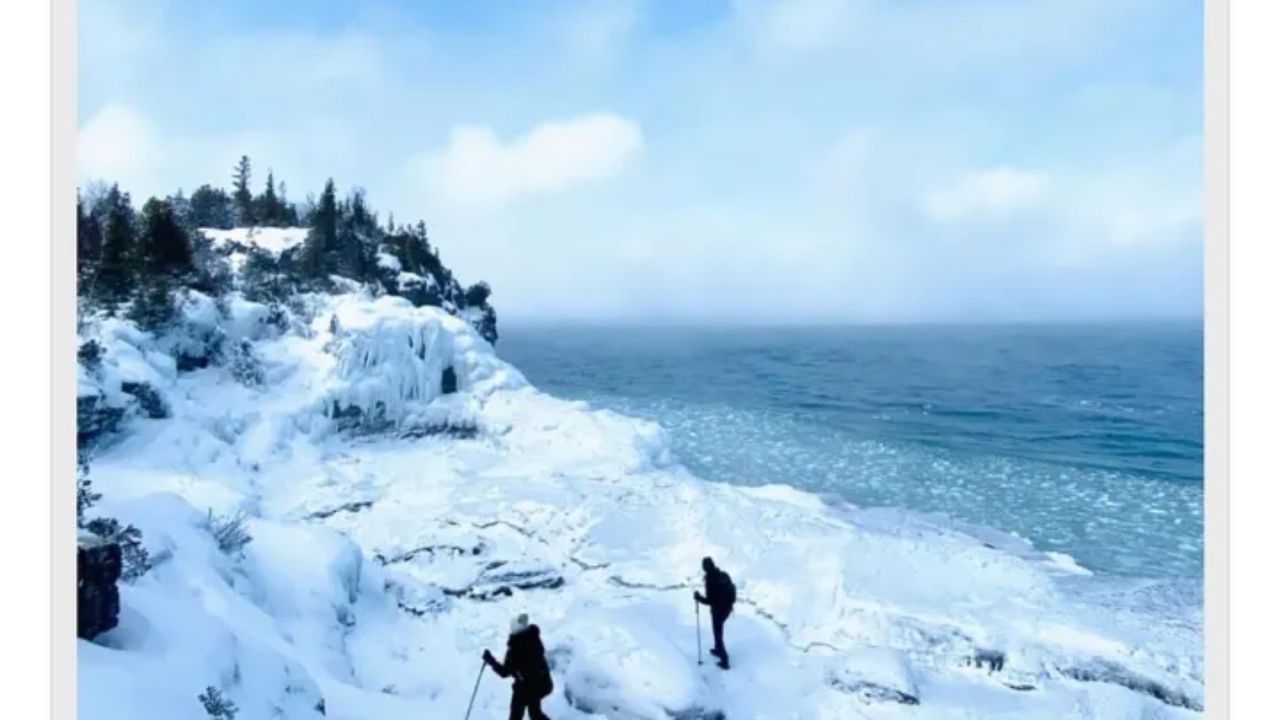
Hamilton might be one of Ontario’s most underrated outdoor cities.
The escarpment cuts straight through the area, and conservation authorities have protected a surprising amount of it. That means waterfalls, forested trails, and lookout points exist right beside residential streets.
Conservation areas along this stretch feel layered. You walk through a hardwood forest, climb gently, and suddenly the land drops away. Views open up, and the air feels different.
These places work well for people who like variety without committing to long hikes. Short trails still deliver payoff. You don’t have to earn every view through suffering.
Dundas Valley Conservation Area
Dundas Valley in Hamilton County feels bigger than it looks on the map. Dense forest, rolling trails, and wildlife sightings are common. It is one of the most beloved conservation areas Ontario offers near Hamilton.
This area works well for people ready to walk a bit longer. Trails vary in difficulty, but nothing feels extreme. If you are asking, “Is this okay for beginners?” The answer is yes, with sensible pacing.
The valley also connects to parts of the Bruce Trail, which adds a sense of adventure without committing to a multi-day trek.
Niagara Glen Nature Reserve
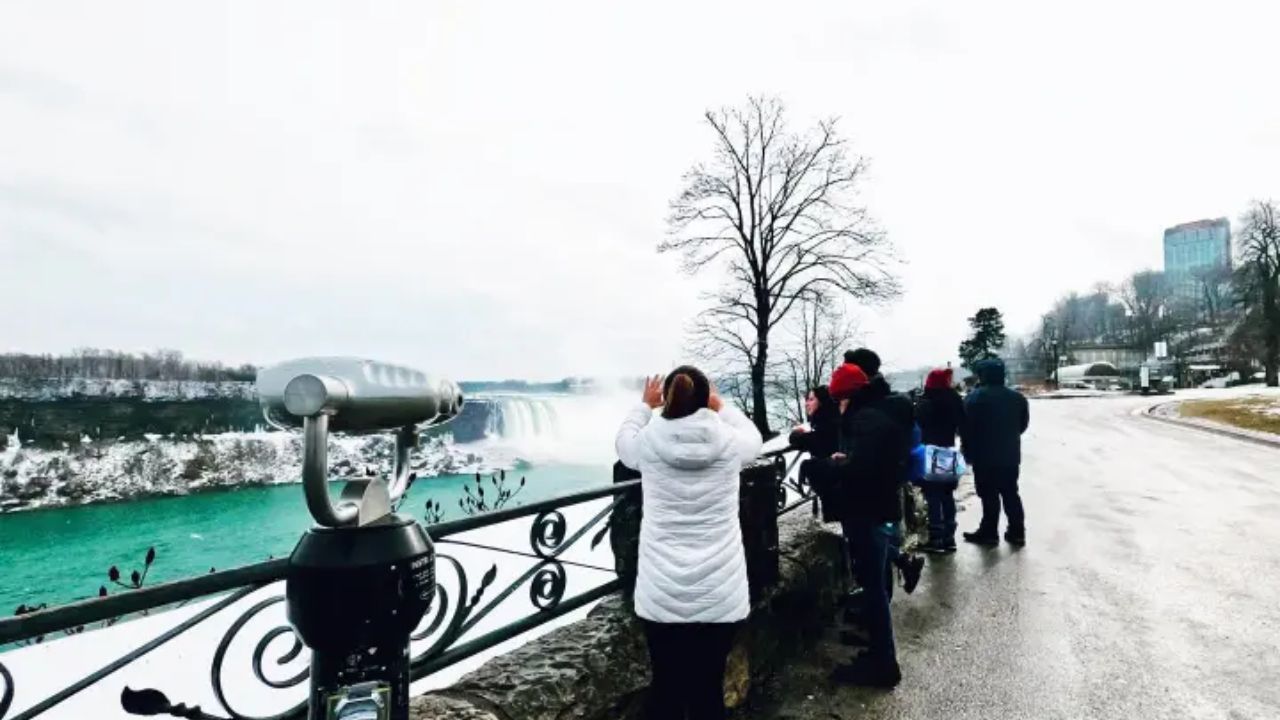
Niagara Glen is raw and dramatic. It sits below the famous falls, yet feels worlds away from crowds. Steep paths lead into the gorge, where ancient rock and fast water dominate.
This place asks more of you physically, but rewards you deeply. Good shoes matter here. So does awareness.
We offer guided hikes to Niagra Waterfall from where you can go to Niagara Glen as well, and this is one area where a guide truly enhances safety and understanding. If you worry about footing or navigation, going guided makes sense.
Conservation Areas Around Ottawa and Eastern Ontario
Eastern Ontario’s conservation areas feel calmer by default. They lean heavily into wetlands, rivers, and mixed forests. Trails tend to be flatter, longer, and quieter. Birdlife becomes part of the experience, whether you’re looking for it or not.
Gatineau Park
Just outside Ottawa, Gatineau Park delivers sweeping views, lakes, and forested hills. It feels more rugged than many adjacent urban areas.
Trails range from easy to demanding. Pink Lake, with its turquoise water, is a favourite. You can tailor your day based on energy and weather.
Mer Bleue Bog
Mer Bleue Bog is quiet, flat, and hauntingly beautiful. Boardwalks carry you over peatland that feels almost northern.
This area suits reflective walks rather than physical challenges. It is also great for kids and older visitors. It shows that the conservation areas Ontario protects are not all about effort. Some are about stillness.
Why Conservation Areas Are Better for Repeat Visits
Big parks impress you once but conservation areas grow on you.
Because they’re close and accessible, you see them in different moods. Morning light instead of afternoon glare. Fresh snow instead of summer dust. Empty trails instead of weekend crowds.
That familiarity builds connection. You start recognizing trees. You notice small changes. You feel like you belong there instead of passing through.
That’s something bigger parks don’t always offer.
The Bigger Picture Behind These Protected Spaces
Many people will easily forget why these places actually exist in the first place. These protected spaces are there to conserve water quality, support wildlife and preserve the ecosystem that would otherwise disappear under development pressure.
Every time you visit a conservation area, it supports that mission, even when it feels like you’re just out for a walk.
In Ontario, conservation isn’t an abstract idea. It’s something you interact with regularly, often without thinking about it. And that’s exactly why it works.
What Actually Makes These Places Unmissable
It’s not dramatic scenery or famous landmarks that makes these places unique. It’s the ease of accessibility and the ability to step into nature without rearranging your life.
Unmissable doesn’t mean once-in-a-lifetime. It means worth returning to, worth protecting, and worth noticing again and again.
And in Ontario, that kind of nature is closer than most people realize.