
9 Incredible Winter Hikes in Ontario for Every Skill Level
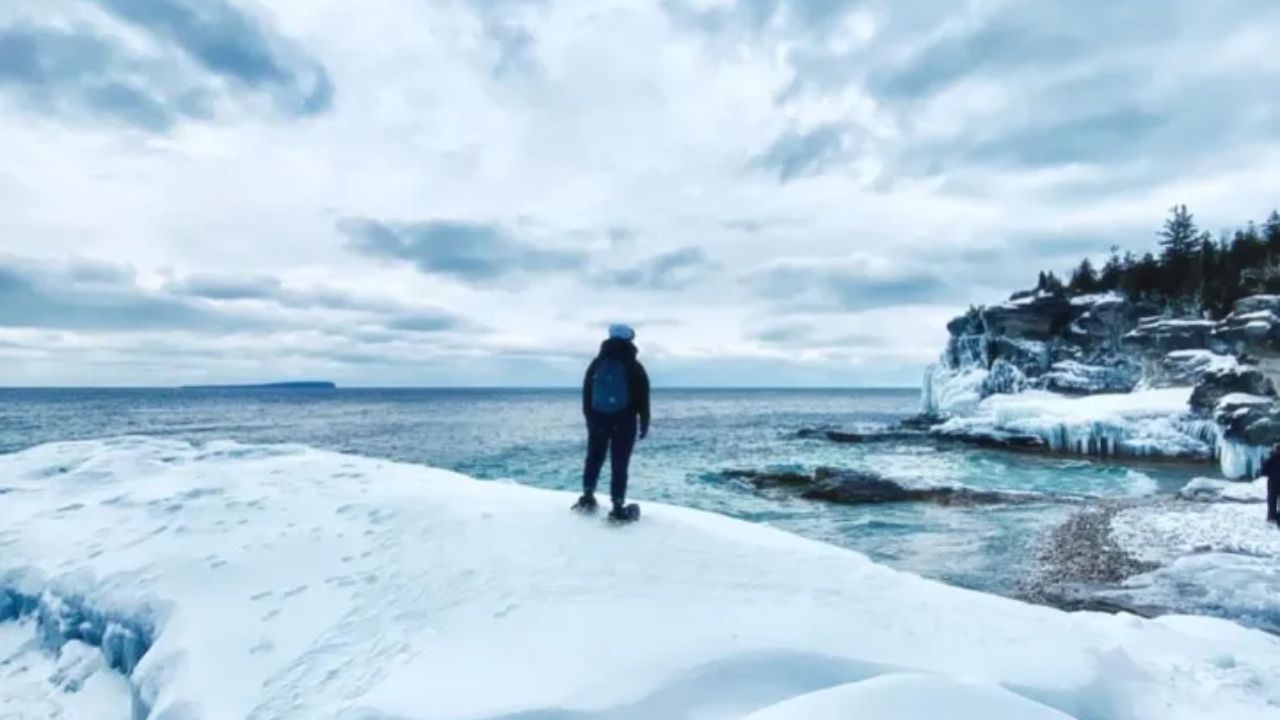
Ontario has lots of winter hikes. These hiking trails take you from simple first walks up rugged escarpments. But what you choose does not depend on how brave you are, but how comfortable you are walking on these trails.
For people having second thoughts on a winter hike in Ontario, don’t worry! It’s safe and actually worth the cold as long as you go in prepared and pick trails that match your skills.
If you are wondering whether the best winter hiking in Ontario is actually worth the cold, the short answer is yes, as long as you pick trails that match your skill and go in prepared.
This guide has 9 amazing places where you can hike during winters along with some guided tours to make your hike even safer.
Why Winter Hiking in Ontario Is Worth It
Winter hiking Ontario style feels quieter and more personal than summer. Trails empty out, snow softens sound, and frozen waterfalls look unreal. While this is happening, you move more slowly, but you notice more.
The biggest fear most people have is safety: slipping, getting lost, or dressing wrong. These are fair concerns. The truth is that most winter hikes here are safe if you choose the right trail, check conditions, and respect daylight hours.
Easy Level Winter Hiking Ontario Trails (Beginner Friendly)
If it’s your first or second time hiking, these Ontario trails could be just the perfect way to start your adventurous journey. These trails are well marked, close to towns, and safe even if the weather shifts.
1. Evergreen Brick Works Quarry Trails (Toronto)
The first on our list of beginner-friendly winter hikes is Evergreen Brick Works Quarry Trails. This is also one of the trails where many people begin their winter hike and continue doing so for many years. The paths are wide, the elevation is gentle, and the views over the Don Valley look magical after fresh snow.
You will see families, first-timers, and photographers here during the winter months from December through March. It is the perfect option if you want a short hike to begin with and to build your confidence for years to come.
2. Rouge National Urban Park
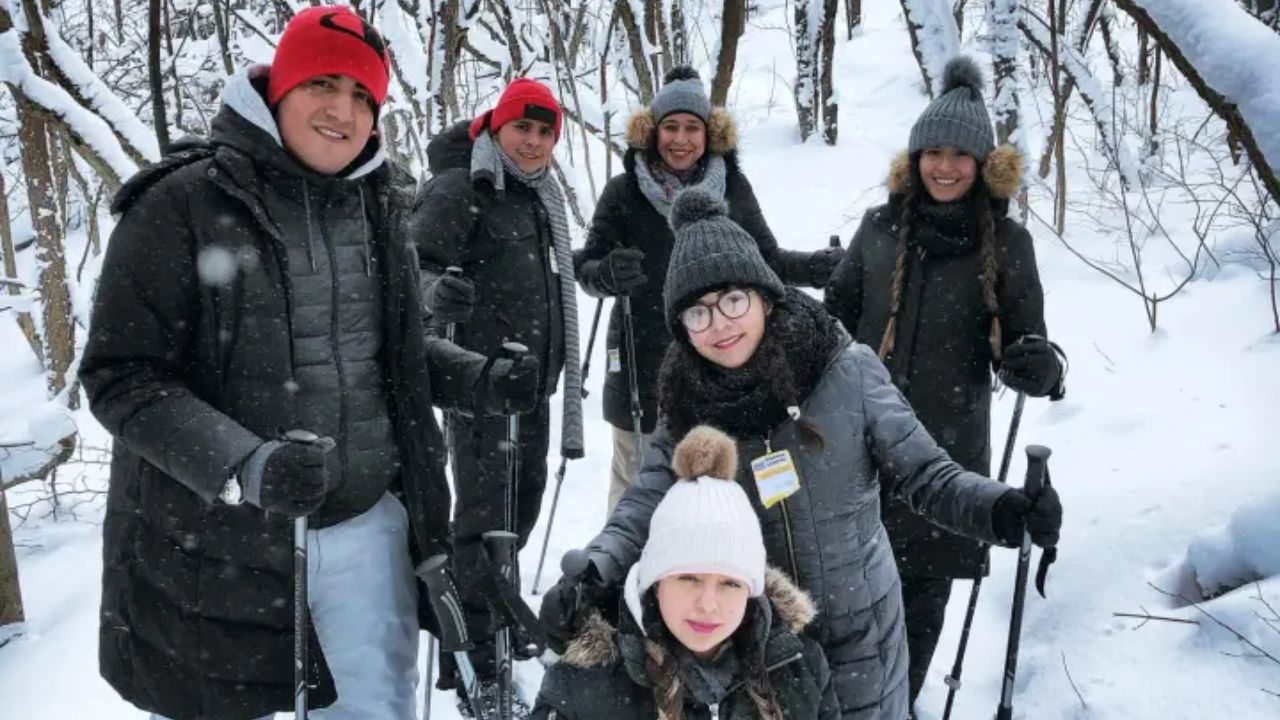
Rouge Park stays open all winter and offers several flat riverside loops. Snowshoeing is optional but not required after light snowfall.
If you are unsure about traction or stamina, this park lets you turn back easily. That matters when daylight is short, and temperatures drop fast.
3. Humber River Trail (Toronto)
Humber River Trail is an underrated trail, but it’s a winter gem. It is one of those hikes where people hesitate to go, but when they actually do, they fall in love with the trail.
The trail follows the river, stays relatively flat, and passes through quiet neighbourhoods and forest patches. What makes this trail especially good for winter hiking for Ontario beginners is its flexibility.
You can start and finish at multiple access points, shorten the hike if it gets cold, or turn back without committing to a full loop.
It is one of the best winter hikes for beginners as it feels safe without feeling boring. If you want to test layering choices, winter boots or simply test your skills, this is a smart place to start.
Moderate Level Winter Hiking Ontario Trails (Some Experience Helps)
These trails introduce elevation, icy sections, or longer distances. You should feel comfortable walking for a few hours in cold conditions and be open to using traction gear when needed.
4. Rattlesnake Point Conservation Area (Milton)
Rattlesnake Point is often where winter hiking starts to feel like a real adventure. The escarpment views are wide open once the leaves fall, and on a clear winter day you can see far across snow-covered farmland.
This trail earns its moderate label because ice builds up quickly along the cliffside paths. Microspikes are not optional here. Without them, the hike feels tense. With them, it feels confident and rewarding. Many hikers use this trail as their first test of winter traction gear, and it is a smart place to do it.
5. Dundas Valley Conservation Area (Hamilton)
Dundas Valley offers variety, which makes it ideal for winter hiking in Ontario trips where you want options. You can choose shorter loops if conditions worsen or extend your hike if the trail feels good.
The terrain shifts between forest paths, open meadows, and gentle hills. Snow tends to linger here, which adds beauty but also slows the pace. This is a good trail for hikers who are comfortable managing energy and timing rather than rushing for distance.
6. Mono Cliffs Provincial Park
Mono Cliffs feel dramatic in winter. Rock faces stand out against snow, and wooden stair sections test balance and focus. This is not a beginner trail once ice forms.
Prepared hikers love Mono Cliffs because it forces you to move deliberately. If you come with proper boots, traction, and patience, it feels immersive rather than intimidating. If you rush or underestimate conditions, it becomes uncomfortable fast. Respect is the price of enjoyment here.
Challenging Winter Hiking Ontario Trails (Experienced Hikers)
These hikes demand fitness, awareness, and comfort with winter decision-making. They are not about speed. They are about judgment.
7. Bruce Trail Winter Sections
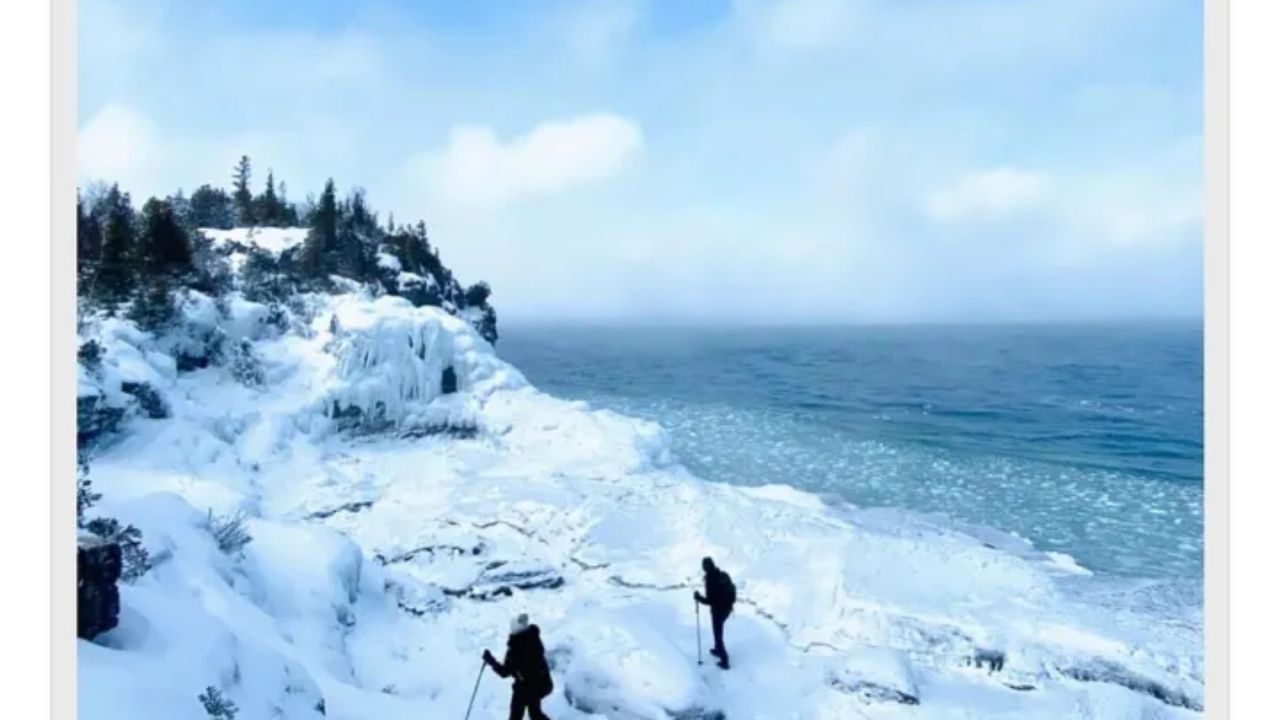
The Bruce Trail in winter is not one hike. It has many different experiences depending on where you enter. Some sections feel gentle while others feel wild and exposed.
Snow drifts, frozen crevices, and wind change everything. Early starts matter because daylight disappears fast along the escarpment. Many experienced hikers tackle short sections rather than long distances. That choice often makes the day more enjoyable and safer.
If you want to get the best experience, we offer guided tours on this incredible trail. All you need to do is put on your comfortable clothing, pack your food and water for the way, and we’ll take care of the rest. We’ll make sure that you enjoy the trail while keeping you safe.
9. Sleeping Giant Provincial Park
People who always look for challenges, Sleeping Giant is probably one of the best options. The place is located above Lake Superior, where the park is clearly seen with dramatic views that catch the eye of every visitor.
The views are worth it, but only if you know when to turn back, making this trail only for professionals. The wind is the main character here, gusting off the lake through layers. This is why the temperature also drops quickly when you gain elevation.
This hike is a sight as you see snow-covered cliffs and frozen coastlines. There’s silence all around, which is why this place also becomes the highlight of the trip for anyone who comes prepared for this adventure.
8. Algonquin Provincial Park Winter Trails
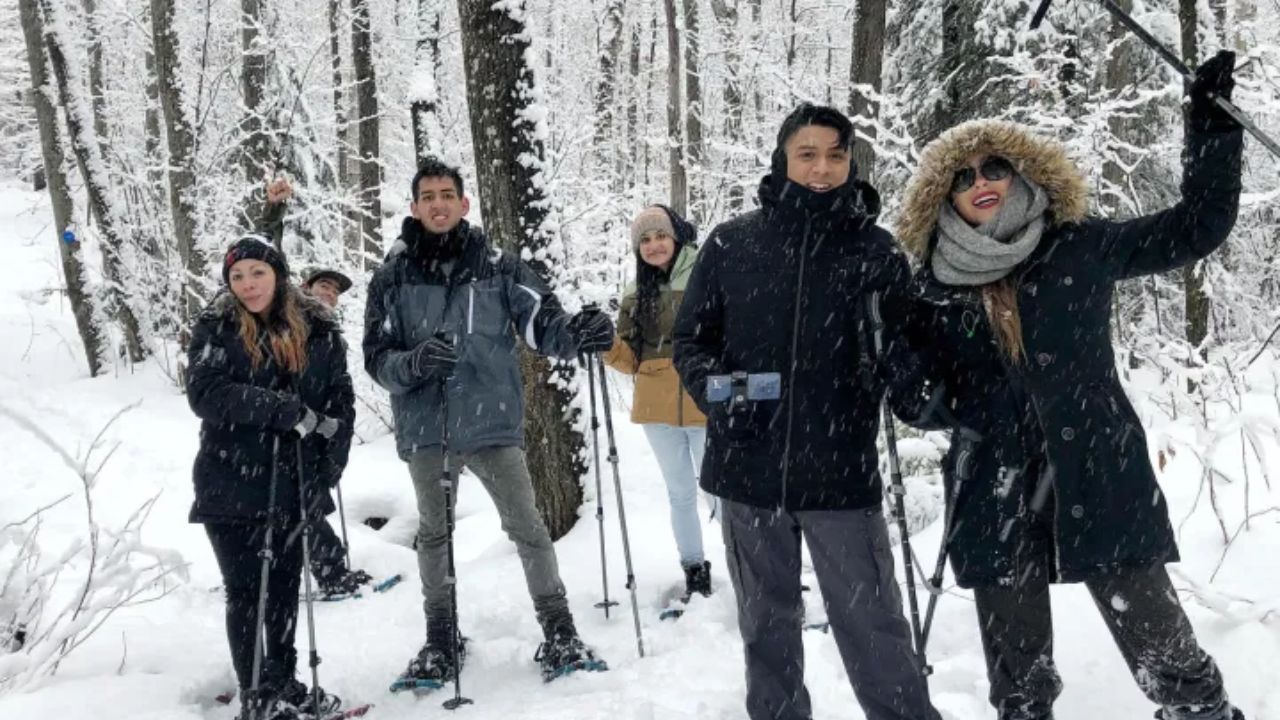
Algonquin is a professional winter hiking trail which feels remote even on marked trails. The routes are properly groomed, and Mizzy Lake or Fen Lake are beautiful, quiet, and cold.
Here, temperatures tend to drop quickly once you stop moving. This is not the place to experiment with new gear or guess your limits. For hikers who already love winter, Algonquin becomes a yearly ritual. For others, it is a reminder that preparation matters more than enthusiasm.
How to Choose the Right Winter Hike for You
Most people struggle with choice. The choice of deciding which winter hike is the best for them. Ontario has too many options, and winter adds pressure. Pick wrong, and the day feels long and cold. Pick right, and it feels like you unlocked a secret season.
If you hike a few times each summer but slow down on icy sidewalks, choose easy or low-moderate trails. Winter hiking in Ontario is for people who are patient and those who do not overestimate themselves. Impatience and overestimation are what force people to turn their back on the trail and cut short their trip.
If you enjoy problem-solving and already own proper boots and traction, moderate hikes will feel exciting rather than stressful. Challenging routes should wait until winter feels familiar, not novel.
Gear Mistakes That Ruin Winter Hiking Ontario Trips
You do not need expensive gear. You need the right gear.
Most beginners overdress and sweat early. When you sweat, it freezes fast, making you feel colder.
The second mistake is ignoring traction. Trails that look friendly at the trailhead often turn dangerous after the first bend.
A few things that matter when hiking during winter:
- Waterproof boots with thick socks
- Lightweight traction like microspikes
- Layers you can remove easily
- Snacks you can eat without stopping for long
Guided services like Toronto Eco Adventures spend a lot of time teaching this because once you get it right, winter hiking becomes comfortable instead of something you tolerate.
When a Guided Winter Hike Is the Smarter Choice
Many people think that paying for something they could technically do alone is not worth the money they spend. But let’s be honest, this hesitation is normal. However, winter changes the equation.
A guide does more than lead the way. They read terrain, adjust pace, manage stops, and keep the group moving efficiently. That efficiency keeps you warm and relaxed.
For people short on time or confidence, guided winter hiking in Ontario often leads to more hikes overall. One good experience removes fear faster than five hesitant solo attempts.
Time Your Winter Hike Perfectly
When you’re planning to hike in winter in Ontario, you need to make sure that you’re doing it at the right time.
- Mornings: They are light but colder with firm underfoot.
- Afternoon: There’s soft light which softens the snow.
We’ve seen many experienced hikers who start early. This gives them time to hike at a slower pace, have enough time for breaks and photo stops without being in a hurry at all times.
If you’re wondering which day is perfect for the hike:
- Weekdays: They are quieter
- Weekends: They get crowded quickly, especially on popular trails
If you like a peaceful trail, make sure to consider the right time and the right day to gte the best experience. Also, don’t forget to check the weather forecast before your hike. While weather apps are essential, wind forecasts also matter a lot.
Final Thinking Points Before You Commit
You don’t have to be tough when winter hiking in Ontario. You just have to be mindful and thoughtful of the place and the weather there. Once you understand that, you won’t be annoyed with the weather, rather you’ll look forward to it every year.
When choosing the right winter hike Ontario, don’t think about which hike to go first. Hiking in Ontario is all about seeing the city differently and from a different perspective.