
Which Best Hiking Trails in Ontario that Combine Caves, Forests, and Beaches for Photography Lovers?
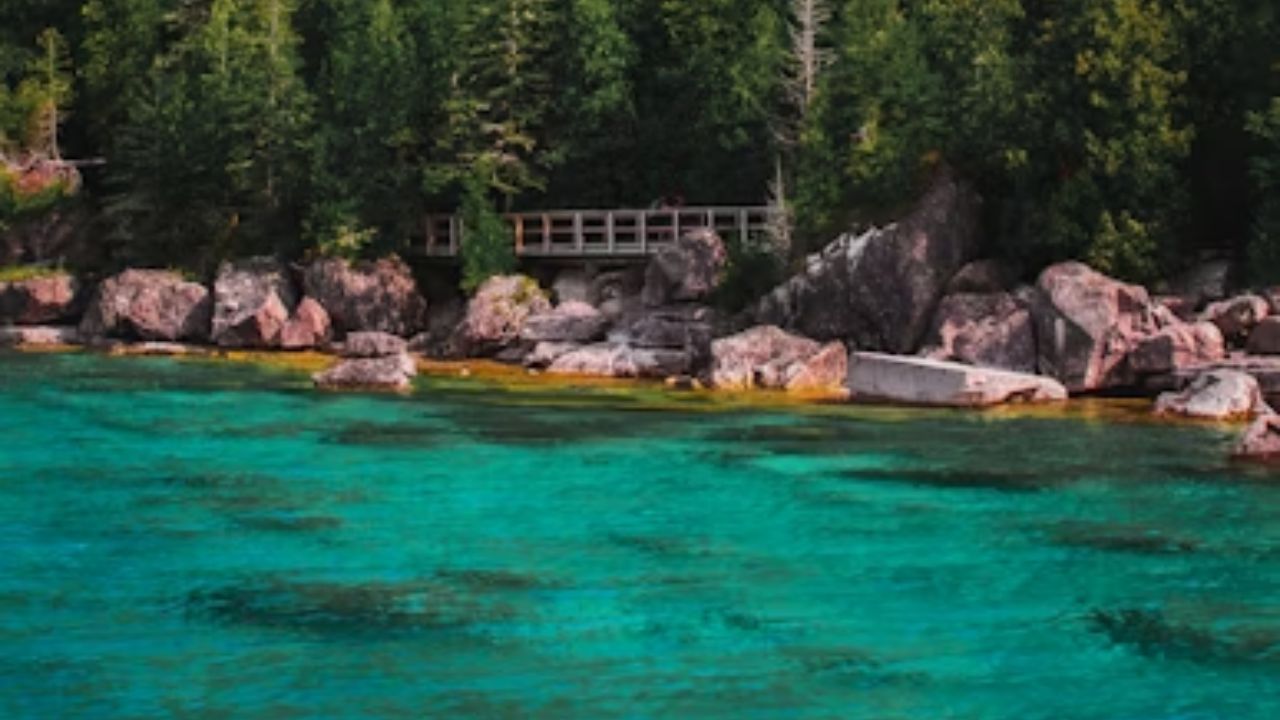
Most trails pick a lane. You get beaches OR forests OR interesting rock formations. But Ontario? It decided to be extra. And for anyone who loves photography, that means one trail can fill an entire memory card with shots that look like they came from three completely different trips.
Here’s the reality: some of the best hiking trails in Ontario combine limestone caves, dense forests, and actual beaches that’d make Lake Superior jealous. We’re talking turquoise water, trees that look like they belong in a fantasy novel, and geological formations that took millions of years to create. All within a day’s drive from Toronto.
The photography opportunities? Absolutely ridiculous. Forest light does this moody, dappled thing that makes everything look mysterious. Beaches bring that bright, clean aesthetic where colors pop. And caves… they add drama that transforms ordinary hiking snapshots into something National Geographic would consider.
What Makes These Multi-Terrain Trails Actually Special
Think about it this way. When trails pack multiple ecosystems into one route, the visual contrasts basically do half the composition work. A dense canopy opens suddenly onto a bright shoreline. Dark cave openings create natural frames. Twisted cedars lean over limestone cliffs. The landscapes talk to each other.
There’s also this geological history angle that makes Ontario’s diverse trails legitimately fascinating. Ancient seas left limestone deposits. Glaciers carved valleys and cliffs. Thousands of years of wave action hollowed out caves and smoothed beaches. Every interesting formation has a backstory that spans millennia.
And practically speaking (because gear isn’t cheap and gas prices are insane), hitting multiple landscape types in one hike means photographers get way more variety without burning a tank of fuel driving between locations. Efficiency meets beauty. That’s rare.
Bruce Peninsula: The Obvious Choice That Still Delivers
Look, everyone talks about the Bruce Peninsula. There’s a reason for that.
The geography up there feels almost fictional. Georgian Bay crashes against white limestone cliffs. Cedar forests create these incredible light-and-shadow situations that make cameras happy. Caves hide in cliffsides like the landscape’s keeping secrets. And the water… that Caribbean-blue color looks fake in photos, but it’s completely real.
The Grotto gets mobbed during the summer. Absolutely swarmed. But that short 45-minute hike through the forest before arriving at that famous cave formation? Still worth dealing with crowds if the timing’s right. The blue-green water pooling inside the grotto creates shots that people refuse to believe aren’t edited.
Shoulder seasons solve the crowd problem. Late May or September brings better light anyway (that harsh summer sun isn’t great for photography). Fewer people means actually setting up a tripod without someone photobombing every frame.
The longer Bruce Trail sections offer solitude that the famous spots can’t match. Miles of Niagara Escarpment hiking where forest transitions to clifftop views, small beaches appear unexpectedly, and cave formations show up around random corners. It’s a continuous surprise party.
Explore Bruce Peninsula caves, forests, and beaches on our dedicated Bruce Peninsula Day Trip.
Bon Echo: The Underrated Alternative
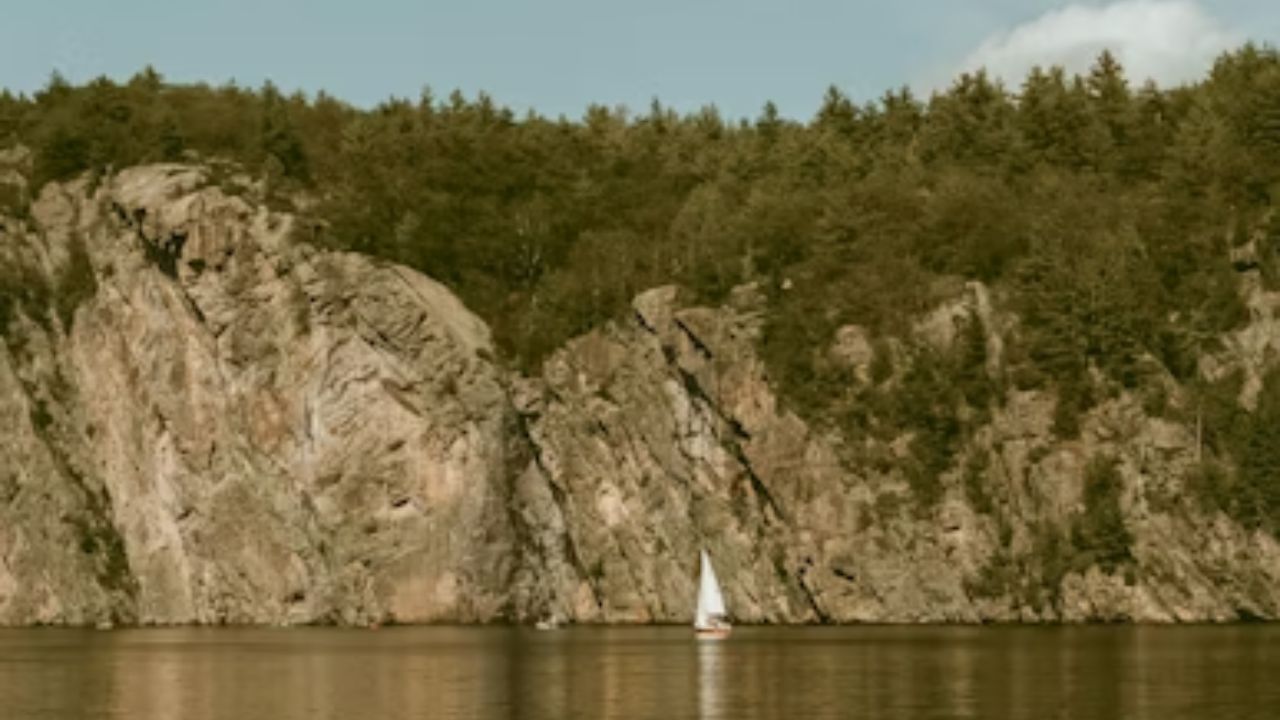
Three hours northeast of Toronto sits Bon Echo Provincial Park, and it doesn’t get nearly enough credit. This works out great for photographers who hate competing for shooting angles.
The Abes and Essens Trail delivers serious landscape variety. Mazinaw Lake shoreline hiking mixes with forest sections and rocky areas that function almost like caves. The real showstopper? A 100-meter cliff face rising straight from the lake, covered in Indigenous pictographs that add cultural weight to natural beauty.
Photographers can work sunrise over the lake, climb trails for elevated forest perspectives, then explore shoreline areas where Canadian Shield granite meets water. The rock formations create leading lines and natural frames without trying. Good composition happens naturally.
Backcountry camping options exist for people willing to paddle and portage. Interior sites access more isolated beaches and forest areas where human sounds disappear completely. Just wind and birds and water lapping rocks.
Killarney: Where Serious Landscape Photographers Go
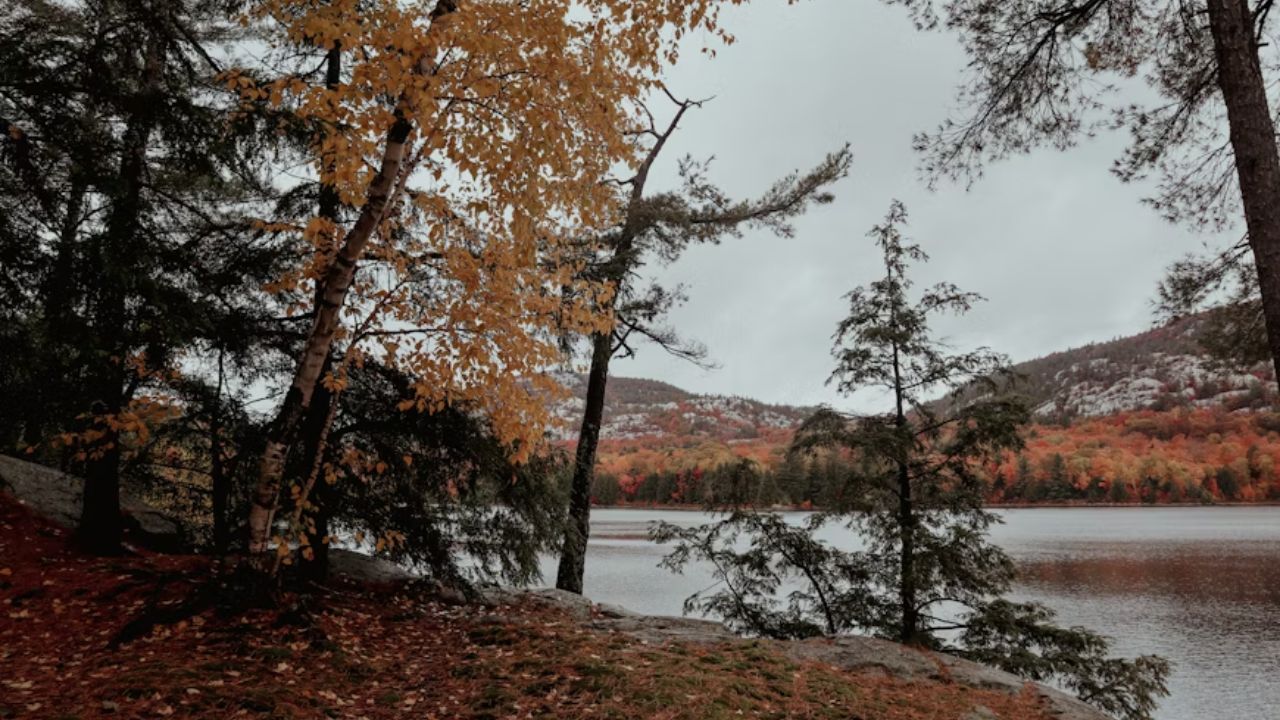
Killarney Provincial Park earned its reputation the hard way. The Group of Seven painted these views obsessively, and modern photographers understand why. The best hiking trails in Ontario for landscape work often include Killarney routes, especially if dramatic topography matters.
The Crack trail has achieved almost mythical status among hikers. Six kilometers of a challenging loop that climbs the La Cloche Mountains to a massive rock fissure. The route moves through dense forest, scrambles over pink quartzite ridges, and delivers views of Georgian Bay’s islands and distant beaches that justify every uphill step.
Cave formations aren’t as prominent as Bruce Peninsula offerings, but fractured quartzite creates countless small crevices and overhangs that work as foreground interest. The color palette here is what really kills: white quartzite, pink granite, deep green forests, and cobalt blue Georgian Bay. Nature’s color wheel went wild.
Georgian Bay beach access provides completely different shooting opportunities. Wave-smoothed rocks create minimalist compositions. Twisted white pines frame water views perfectly. Calm days turn the bay into a mirror that doubles every reflection.
Sandbanks: The Unexpected Desert-Beach-Forest Hybrid
Sandbanks Provincial Park doesn’t have dramatic cliffs or deep caves, but it brings something different to the table: the world’s largest freshwater bayside dune system. Combined with forest trails and beaches, it’s basically three parks pretending to be one.
The Dunes Trail moves through ecosystems like it’s trying to show off. Start in a shaded forest where ferns cover everything. Emerge onto windswept dunes that photograph like desert landscapes (careful framing required). Drop down to beaches where sand literally squeaks underfoot. All in maybe an hour of walking.
Golden hour on those dunes is something else. Rippled sand catches the sidelight beautifully. Blue hour creates color contrasts between warm sand tones and cool sky that look almost impossible. And because wind constantly reshapes the dunes, return visits always offer fresh compositions.
The Outlet Beach area combines a forest backdrop with beach access naturally. Scattered driftwood adds ready-made compositional elements. Calm days with shallow water create perfect long-exposure conditions that turn waves into smooth veils.
Useful Photography Advice for These Trails
Gear choices matter when environments shift this dramatically. A versatile zoom (24-70mm range) handles most situations, but cave photography really benefits from a tripod and possibly wider glass for tight spaces. Lightweight matters when hiking multiple kilometers.
Weather transforms these landscapes completely. Overcast days excel for forest photography because harsh shadows disappear. Sunny conditions make beaches and clifftop views spectacular. Dramatic weather (mist, storm light, crashing waves) creates the shots that win awards.
Seasonal timing changes everything. Summer brings crowds to the best hiking trails in Ontario for photography. Spring delivers wildflowers and waterfalls that dry up by August. Fall creates forest color explosions. Winter transforms familiar landscapes into alien terrain, though trail access gets complicated.
Pack smart beyond camera gear. Water, snacks, proper boots (wet rocks near caves and beaches turn treacherous), layers for temperature changes between shaded forest and exposed beaches. Weather shifts fast near large water bodies.
The Bigger Picture Beyond Photography
Something happens when trails showcase multiple ecosystems like this. Connections become obvious. Forest health depends on lake moisture. Caves formed because ancient seas covered this area. Beaches exist because glaciers carved the landscape thousands of years ago. Everything relates.
These trails offer education about Ontario’s geological timeline, wildlife diversity (forest species, shore birds, everything in between), and physical challenges that make food taste better afterward. Toronto Eco Adventures clients get more than pretty pictures. They get perspective.
Conservation stories matter here, too. Many areas face pressure from overuse, climate change, and invasive species. Hiking with awareness and respect preserves these landscapes for future visitors and photographers who haven’t discovered them yet.
Planning Multi-Landscape Adventures Successfully
Strategy matters for trails offering this much variety. Some routes demand full days to properly explore and photograph. Others work as half-day excursions. Checking conditions before heading out prevents nasty surprises (some caves close seasonally for bat protection, beach access gets limited during bird nesting seasons).
Provincial parks require permits and passes. Popular trails now need advance reservations, especially during peak season. This actually helps photographers because overcrowding gets controlled, and landscapes stay protected. Book early for our curated day trips from Toronto to these multi-terrain trails.
Visiting the same trail across seasons reveals completely different experiences. October forest glow transforms into January snow-laden branches. Busy July beaches become serene April meditation spaces. Caves stay consistent, but light filtering into them shifts dramatically throughout the year.
What Actually Matters
The real payoff from Ontario’s multi-landscape trails isn’t the variety of shots or Instagram likes. It’s a discovery moment. When the forest suddenly opens, revealing a hidden beach. First glimpse into a cave that took millennia to form. Clifftop views that make uphill suffering worthwhile.
These trails remind photographers why cameras matter. Not for perfect, sterile images, but for preserving genuine wonder. For sharing the experience of standing where forest, water, and stone intersect, feeling simultaneously small and incredibly fortunate.
Ontario’s hiking trails lack Rocky Mountain fame or Pacific coast drama. But for photographers willing to explore them, they offer something equally valuable: accessible, diverse, spectacular landscapes that constantly surprise. Pack camera, lace boots, discover for yourself.
Frequently Asked Questions
Do all sections of these trails include caves, forests, and beaches?
Not every section includes all three features at once. These hiking areas are made up of interconnected trail systems, where caves or limestone formations, forested paths, and beach or shoreline access appear across different segments of the same hike. This is why route planning matters, especially for photography-focused hikes.
Are these trails suitable for beginner hikers and photographers?
Most of these trails are accessible to beginners, but some sections include uneven terrain, rocky descents, or cliffside paths. Photographers should be comfortable walking on limestone surfaces and carrying gear over moderate distances. Guided hikes help match routes to skill levels and current conditions.
When is the best time to photograph these trails?
Late spring through early fall offers the best conditions for photography. Water clarity is highest, forests are full, and daylight hours allow flexibility in timing. Early morning and late afternoon provide the most balanced light for caves, forests, and shoreline shots.
Turn These Trails Into Your Next Photo Story
If capturing caves, forests, and shoreline views in one hike sounds like your kind of day, Toronto Eco Adventures makes it simple. Their guided hikes take care of route planning, timing, and access so you can focus on your camera instead of maps or permits. With small groups, experienced guides, and carefully chosen trails, you get more time at the best photo spots without feeling rushed. It’s an easy way to explore some of the best hiking trails in Ontario while coming home with shots that actually do the place justice.