
Bruce Trail Complete Guide: Section Hiking & Day Trips

Get your bags ready, hiking gear packed, and shoes on to get on a journey to Canada’s longest trail. The Bruce Trail!
If you’re a serious hiker, you would know how much time it takes to prepare yourself just for a short trail. The Bruce Trail is one of the best long-distance hikes in Canada, spread across 900 km, and yes, it is absolutely worth doing even if you only have a day or a weekend.
If you’re thinking about hiking it, section by section or just dipping in for a scenic day trip, we’ll walk you through the way.
So, let’s move on and get ready to hike the longest trail you’ll see in Canada.
What Is the Bruce Trail Really Like?

The Bruce Trail is about 900 kilometers from Niagara to Tobermory in Ontario. It follows the Niagara Escarpment, which sounds grand. As you move the trail, you’ll find forest paths, mossy rocks, and quiet farmland. You’ll also come across sudden cliffs with wide views over Georgian Bay.
Since this is nothing like a high-altitude Himalayan trek, you don’t have to worry about altitude sickness. The elevation you experience is steady, but it can be walked easily. The terrain often changes, and you climb and descend rolling hills.
To hike this trail, you do not need to be an elite athlete. If you can walk 10 to 15 kilometers at a relaxed pace and handle uneven ground, you can enjoy most sections.
The Bruce Trail is broken into nine sections:
- Niagara
- Iroquoia
- Toronto
- Caledon
- Dufferin
- Blue Mountains
- Beaver Valley
- Sydenham
- Peninsula
Each section has its own beauty, where some feel very remote, some feel extremely crowded, and some feel too into the wild.
Is the Bruce Trail Okay for Beginners?
Now, for the most important question that many ask, “Is it doable for a beginner?” Yes, but you have to choose the section wisely.
Not all sections are equal. Some have steep rocky climbs, while others are gentle woodland walks. If this is your first long hike, you don’t want to start with a rugged cliff scramble and call the whole trail “too hard.”
Beginner-friendly areas often include:
- Parts of the Toronto and Caledon sections
- Short loops near conservation areas
- Clearly marked segments with parking access
- Day hikes under 12 kilometers
The trail is marked with white blazes for the main route and blue for side trails. Navigation is simple to follow, but you still need a map or GPS app. Cell service can drop in deeper valleys.
Section Hiking the Bruce Trail
Most people do not hike all 900 kilometers in one go. They section hike. That means completing the trail in parts over months or even years. But that only makes sense if you live in Southern Ontario or visit often.
If you’re visiting Toronto for a day or two, you can:
- Hike 15 to 25 kilometers in a day
- Return to the same spot when you visit next
- Gradually check off sections
- Experience the trail in all seasons
Each section offers different landscapes. Niagara gives you vineyards and escarpment views. On the other hand, the Blue Mountains and Beaver Valley bring dramatic cliffs and ski hill terrain. The Peninsula section near Tobermory feels rugged and almost coastal.

Some sections you’ll feel are linear, where you start at Point A and finish at Point B. That means you need two cars or a shuttle. This is where guided or supported hikes start to make sense.
Day Trips on the Bruce Trail
Even though everyone gets excited hearing about the Bruce Trail, not everyone wants to commit to long-distance hiking. Maybe you’re visiting Toronto for a week. Maybe you have one free Saturday. The good news is that the Bruce Trail works beautifully as a day trip.
You can plan:
- A 3 to 5-hour scenic hike
- A half-day forest and waterfall walk
- A cliff-top sunset route
- A fall foliage adventure in October
If you are staying in Toronto and don’t have a car, things can get a bit trickier. Public transit doesn’t reach most trailheads easily. That’s where organized tours come in.
Guided Bruce Trail Hiking with Toronto EcoAdventures
Guided Bruce Trail hiking not only guides you, but also keeps you safe throughout the hike, makes sure you know about the place, and, most importantly, that you are comfortable throughout.
Toronto EcoAdventures offers small-group hiking tours along the Bruce Trail and Niagara Escarpment. They are curated outdoor experiences led by knowledgeable local guides.
These tours are best if:
- You’re worried about parking or route planning
- Want to learn about geology and local history
- Want to discover hidden viewpoints
- Want to travel to Toronto with ease
If you’re new to Ontario or short on time, that convenience is gold. You just have to step on the bus, spend your time hiking, enjoy the experience, and return tired and happy.
Their guided Bruce Trail experiences typically include moderate hikes with scenic highlights. Expect 8 to 15 kilometers, depending on the day.
For someone visiting Toronto and wanting real nature beyond city parks, this is one of the easiest ways to do it.
Private Bruce Trail Tours
Maybe you’re planning something special. A birthday. A team outing. A small group of friends who want a more flexible schedule. Toronto EcoAdventures also offers private hiking tours.
This changes the experience.
- You set the pace
- The route can be adjusted to your fitness level
- The day feels personal, not packaged
- You can focus on photography or learning
If you’re serious about hiking multiple sections and want expert insight, a private guide can fast-track your understanding of the trail. They know which sections are muddy after rain. They know where spring wildflowers bloom. They know which cliff edges catch golden-hour light.
If you value time, local knowledge, and stress-free planning, this option works great.
When Is the Best Time to Hike the Bruce Trail?
Ontario has some of the most intriguing weather conditions. And while you are planning to walk up the trail, you should know that every season has something different to offer.
Here’s how the trail changes according to the season:
- Spring brings wildflowers and waterfalls with muddy trails. Blackflies can test your patience.
- Summer offers long days and green forests. Heat and humidity can be high. Carry more water.
- During the fall, the trail lights up with red and gold hues. This is peak hiking season and also the busiest.
- Winter hiking is possible in many sections. But snow transforms the forest. The icy rocks demand traction devices and caution.
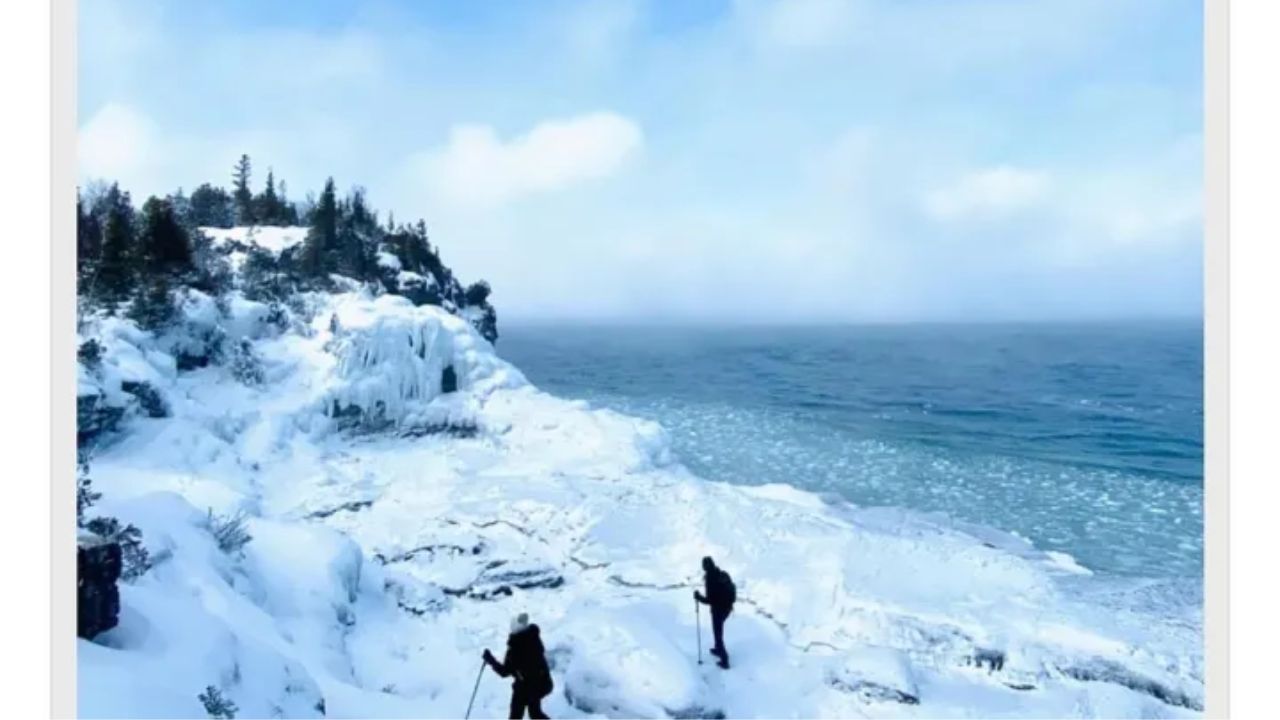
If you’re planning a guided hike, companies like Toronto EcoAdventures schedule trips around the best seasonal highlights. That takes guesswork off your plate.
What About Fitness and Preparation?
You don’t really have to be training for a hike like a marathon runner. You just need to be healthy enough to walk the trail. You should be comfortable walking for several hours.
Before heading for the journey, think about how much distance you can walk without knee pain, if you’d be able to walk the uneven and rocky terrain, and if you can be outdoors for 4-6 hours. If you get positive answers for these questions, you’ve already covered half the route.
Now, how should we prepare for the hike? Here are a few basic preparation points you should consider:
- Broken-in hiking shoes
- Backpack with water and snacks
- Weather-appropriate layers
- Sunscreen and bug spray
- Offline map or guide
The Bruce Trail is well marked, but accidents happen when people underestimate distance or daylight.
Safety and Trail Etiquette
The Bruce Trail passes through a mix of public and private land. Stay on marked paths. Respect closures. Pack out your trash.
Basic safety tips:
- Tell someone your hiking plan.
- Check the weather before you leave.
- Start early to avoid hiking in the dark.
- Watch for slippery rocks near cliffs.
- Carry a small first aid kit.
Wildlife sightings are usually deer and birds. Black bears exist in some northern sections but are rarely seen in southern stretches.
Why People Fall in Love with the Bruce Trail
The Bruce Trail is not just any trail. As you walk through the trail, you’ll notice that the trail has a rhythm that you follow. You climb a plateau, see the forest, and this just keeps on repeating. Over time, those white blazes become familiar friends.
And here’s something you won’t read in most brochures. The Bruce Trail changes how you see Ontario. It stops being highways and suburbs. It becomes ridges, cedar trees, limestone, and quiet creeks.
If you’re planning your first section hiking to the Bruce Trail, don’t think about whether you can do this. Think, why haven’t you done it yet!