
6 Brilliant Algonquin Park Canoe Trip Ideas for Beginners
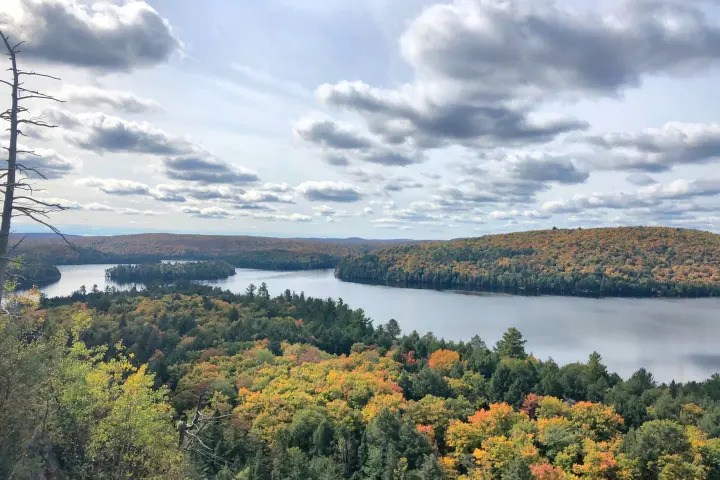
Algonquin Provincial Park is huge, which is why its canoe route network covers more than 2,000 kilometres. There are quiet lakes, rivers, long portages and remote campsites. So, a first trip can feel exciting or quite daunting. An Algonquin Park canoe trip can be beginner-friendly when you choose short paddles, simple routes and light portages.
The good news is that you do not need to cross the whole park. You can start small and still get that classic Ontario backcountry feel. Think calm water, tall pines, rocky shores and the call of a loon across the lake.
Here are six ideas that make sense for new paddlers.
What Makes an Algonquin Park Canoe Trip Good for Beginners?
A good first route keeps the daily workload low. You want enough paddling to feel like an adventure, but not so much that every kilometre feels like a race. Portages matter just as much as paddling distance. A portage means carrying your canoe and gear between waterways. For a new paddler, even a short carry can feel tiring after a few hours on the water.
The park marks portages with signs showing their length and the lakes they connect, making the official canoe routes map a key planning tool.
1. Start with Canoe Lake and Tea Lake
For many first-timers, the Canoe Lake area is a sensible place to begin. Canoe Lake has an access point on Highway 60, and canoe rentals are available at The Portage Store. Tea Lake also offers good canoeing options. From Tea Lake, paddlers can travel towards Canoe Lake or Smoke Lake. That gives you room to keep the outing short or add distance if you feel strong.
This flexibility is useful on your first trip. You may think five hours of paddling sounds easy. Then the wind picks up, your shoulders ache, and you start looking at the map differently.
Paddle at a relaxed pace and learn how your canoe handles. Practise turning, stopping and staying close to shore. If you are new to camping too, consider a short overnight rather than a long loop.
2. Try Rock Lake for a Gentler First Taste
Rock Lake is another useful starting point for newer paddlers. The access point sits along the Highway 60 corridor, with a road leading to the lake and access facilities. Ontario Parks has also highlighted Rock Lake among options for backcountry camping without long portages. That can make a big difference when you are carrying food, tents and other gear.
The real benefit is less about chasing distance. It is about learning the rhythm of canoe camping. You paddle when the lake is calm and stop when you want a snack. You land, stretch your legs and take in the view. That slower pace is often what people remember most.
3. Choose a short Shall Lake route
Shall Lake is another access point worth checking when planning a first trip. It can lead towards smaller lakes, including Farm Lake and Crotch Lake. This area can suit paddlers who want a real backcountry feel without planning an enormous journey.
One important tip is to study the route before leaving. Do not just look at the lake names. Look at every portage, distance and campsite zone on the official map. Your choices at each junction shape the trip. Your permit also controls where you can camp each night. That is why route planning matters more than picking a famous lake.
4. Build a simple Booth Lake adventure
Booth Lake can work well for beginners who want to go a little deeper into the park. The route from the Shall Lake access point passes through Farm Lake and other waterways before reaching Booth Lake. Current route guidance lists it as an easy option, with two portages and about 6.5 kilometres one way.
That sounds manageable, but do not treat the word “easy” as a free pass. A portage can be muddy, rocky or tiring. Weather can also change the day. Carrying a canoe is very different from walking with a small daypack. Pack light and plan enough time. If your group has never portaged before, carry at a calm pace.
5. Take on Misty Lake when you feel ready
Misty Lake is a step up for beginners who already feel comfortable with basic paddling. The route from Rain Lake involves several portages before reaching Misty Lake. Current route guidance puts the one-way distance at about 10 kilometres, with seven portages making it less suitable for someone who has never paddled or portaged before. It can be a good next step after a shorter trip.
Think of it as your “level two” outing where you learn how to pack dry bags and how long lunch stops really take. You also learn that a 1-kilometre portage feels much longer when your canoe is on your shoulders. It helps you plan future trips with far more confidence.
6. Choose a Guided Day with Toronto Eco Adventures
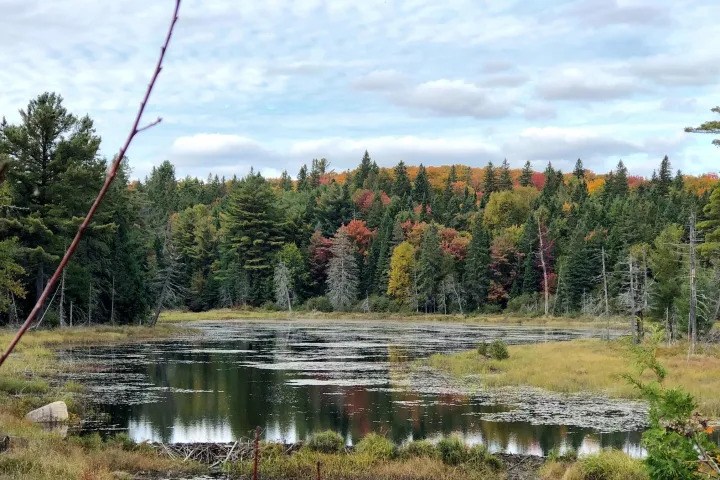
Not every beginner wants to plan an overnight canoe trip alone. Toronto Eco Adventures offers small-group outdoor trips from Toronto, with groups capped at seven people. Its Algonquin Park Autumn Adventure includes transport from Toronto, guided hiking and park admission. When weather allows, the hike can be switched for canoeing, with canoe rental listed as an extra cost.
This can be a smart way to test how you feel on the water before planning several nights in the backcountry. The tour also visits Rock Lake and includes time by the water. You bring your own lunch, snacks and water, while transportation is handled as part of the experience. Whether you’re a beginner or an experienced canoer, a guided day can remove much of the early stress.
What Should Beginners Pack for an Algonquin Park Canoe Trip?
Packing light is one of the best beginner tips. You need enough gear to stay warm, dry and fed. You do not need your whole house in a canoe. For an overnight backcountry trip, focus on the basics:
- Canoe, paddles and approved personal flotation devices
- Tent, sleeping bag and sleeping pad
- Dry bags for clothes and key gear
- Lightweight food and a suitable cooking setup
- Water treatment method
- Map and compass
- First-aid kit
- Headlamp or flashlight
- Rain gear and warm layers
- Bug protection and sun protection
Keep important items dry. A sudden rain shower can turn a fun paddle into a soggy mess very quickly. Ontario Parks also notes that cans and glass bottles are banned in the backcountry. Follow park rules and practise leave-no-trace camping.
Do you Need a Permit for an Overnight Canoe Trip?
Yes, you need to plan around Algonquin’s backcountry reservation system. For backcountry paddling, Ontario Parks uses lake or zone-specific reservations. Reservations can be made up to five months before arrival. Your reservation sets the lake or zone where you camp each night.
That means you should not simply arrive and decide where to sleep. Plan the route first, check the access point and study the portages. Then make sure your reservation matches the trip you intend to paddle.
The official Algonquin Canoe Routes Map is especially useful here. It shows access points, campsites, portages and route links.
When is the Best Time for Beginners?
Late spring, summer and early fall each offer different experiences. Your choice should match your comfort level and the current park conditions. Summer gives you warm days and easy access to water, while fall brings cooler air and famous colour displays. But fall weekends can also be busy, so planning ahead matters.
Always check current Ontario Parks notices before leaving. Conditions can change, especially during spring and shoulder seasons. And do not judge a trip by the forecast alone, as wind, rain and cold can change how hard a paddle feels.
Is an Algonquin Park Canoe Trip worth it for First-timers?
Yes, if you choose a route that matches your skills. You do not need to paddle for days or carry a canoe over endless portages. You do not need to prove anything to anyone. Start with a short route, learn the basics and camp for one night if you feel ready.
If planning everything feels like too much, a guided Toronto Eco Adventures trip can help you get a feel for the park first. Its small groups, Toronto transport and guided outdoor format make the first step easier.
An Algonquin Park canoe trip should leave you tired in a good way, not wondering why you packed your entire kitchen into a canoe.
FAQs
Q1: Is Algonquin Park good for beginner canoeists?
Yes. Algonquin has canoe routes for all skill levels. Beginners should choose shorter routes with fewer or shorter portages.
Q2: How many days should a first canoe trip take?
One or two nights is a sensible starting point. It gives you enough time to learn the basics without making the trip too demanding.
Q3: Where can beginners rent canoes in Algonquin?
Ontario Parks lists The Portage Store on Canoe Lake and the Opeongo Store as canoe rental locations. Other outfitters also operate around the park.
Q4: Do I need canoeing experience for Algonquin?
Basic paddling skills help, but you do not need advanced skills for every route. Learn how to steer, stop and handle a canoe before heading into remote backcountry.
Q5: Are there beginner-friendly guided trips from Toronto?
Yes. Toronto Eco Adventures offers small-group Algonquin experiences from Toronto. Its summer Algonquin tour can include canoeing when conditions are suitable.