
Scarborough Bluffs Trail: 7 Powerful Tips for a Better Hike
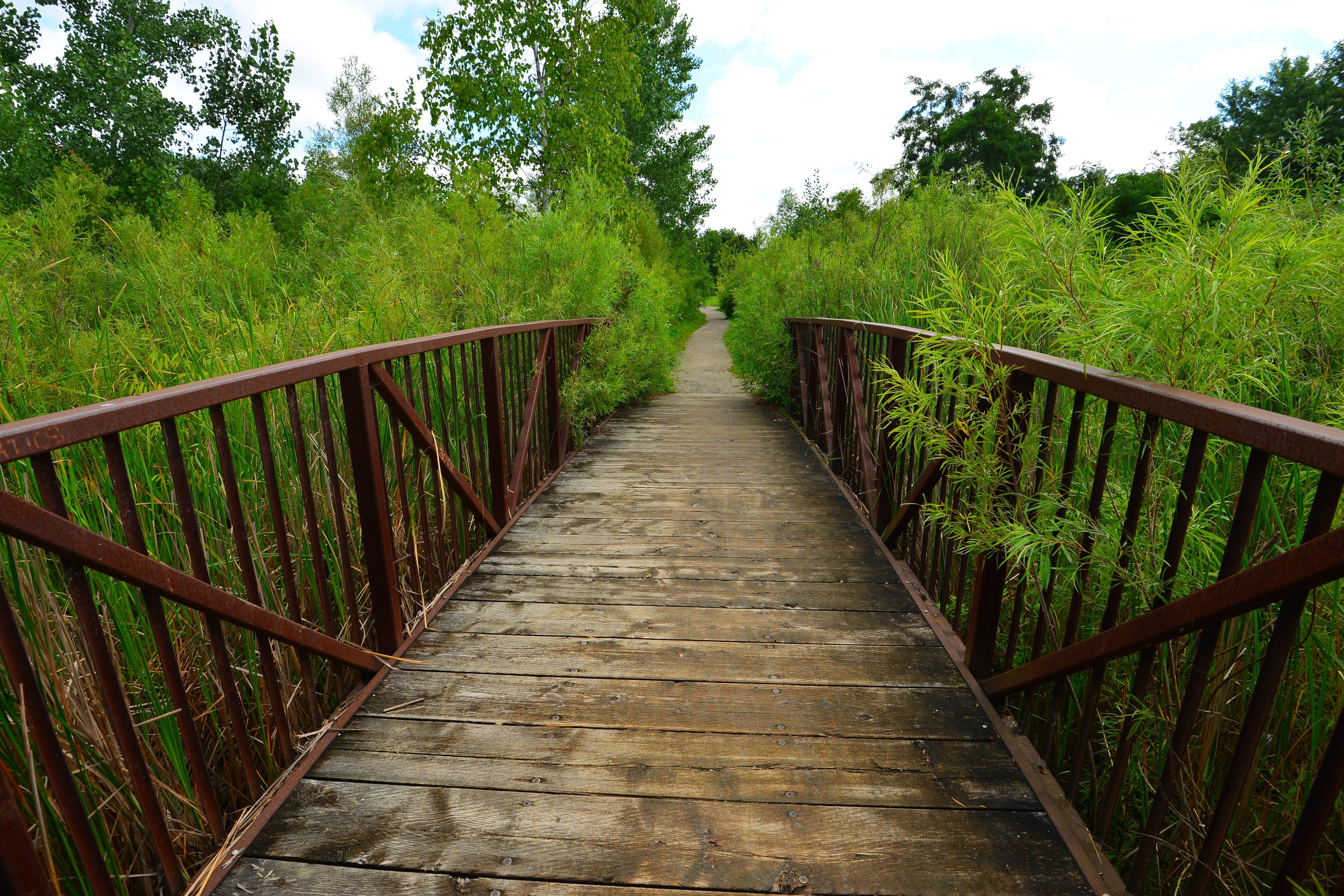
The Scarborough Bluffs Trail is best enjoyed with a simple plan: choose your route, park with purpose, go early, and stay well back from the bluff edge. The trail area can look simple on a map, but the paths, beach, marina, and parks create different ways to spend your day. That is why trail distances can seem confusing online. One site may show about 5 km, while another lists closer to 7 km. This guide clears up that confusion. It also covers parking, crowds, safety, route choice, what to pack, and park rules.
What Is Scarborough Bluffs Trail?
Scarborough Bluffs Trail is a group of walking paths that lets you explore the Bluffs, Lake Ontario, parks, and scenic views in east Toronto. It is not one long trail with a set start and end point. Instead, the area has many paths and access points, so you can pick a route that fits your time and plans.
The Scarborough Bluffs run for about 15 km along the Lake Ontario shore. The area includes 11 parks, and each one has its own feel. Some spots give you wide lake views from high ground. Others take you closer to the water, trees, and beach.
1. Know How Long the Scarborough Bluffs Trail Really Is
Plan for about 5 to 7 km round trip, based on the sections you choose to walk. The different numbers online come from different route choices. Some trail records measure a shorter path, while others include more connected paths around Bluffer’s Park and the shoreline. There is no single figure that fits every visit. So, plan extra time if you want beach time, photos, or a longer walk.
The main paths around Bluffer’s Park are not a hard mountain hike. Much of the lakeside walk is flat and easy. The bigger issue is not distance. It is how much of the park you want to see. A short walk to the beach feels very different from a longer outing that adds nearby paths and viewpoints.
2. Pick the Right Bluffer’s Park Parking Lot
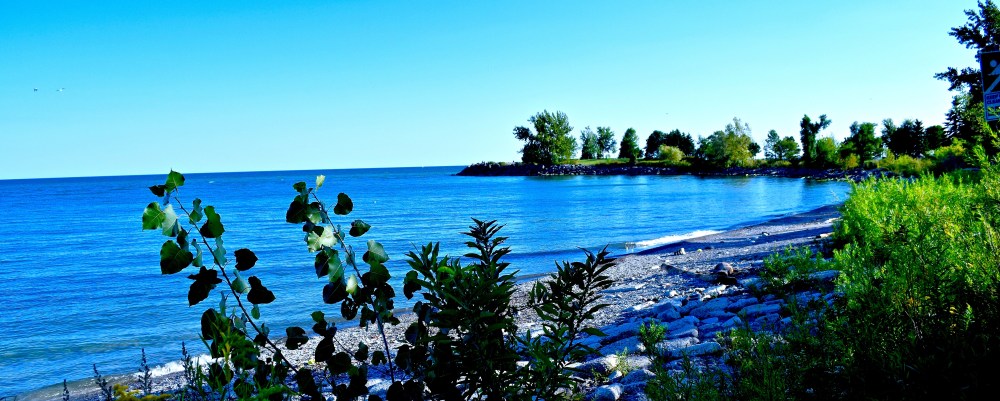
Not every parking area is the same. Bluffer’s Park has parking, a marina, a beach, and access to the lakefront area. The City lists Bluffer’s Park at 1 Brimley Rd. S. and confirms that it has a parking lot and swimming beach.
If the beach is your main goal, choose the lot that keeps the walk to the sand short. If you only want photos and a quick lakeside stroll, parking closer to the marina area can save time. For a longer outing, think about where you want to finish, not just where you want to start.
3. Visit Early if You Want a Calmer Walk
Summer weekends can bring heavy traffic, busy lots, and packed paths around the beach. For the quietest feel, aim for a weekday morning before 9 a.m. Early weekend mornings are also a better bet than late morning. By mid-morning on a hot Saturday, the area can feel very different. Parking becomes harder, and narrow sections can slow down.
What if you cannot arrive early? Try a weekday later in the day instead. Check the weather too. A cool, cloudy day can feel far less busy than a sunny holiday weekend.
4. Stay Off the Bluffs and Respect the Warning Signs
Do not climb the bluff face or walk close to its edge. This is not just a park rule meant to keep people on a marked path. The City of Toronto says the bluff edge is unstable and tells visitors to stay behind fences and away from the edge.
The Bluffs are made from soft material that can erode and fail. Wind, rain, groundwater, freezing, thawing, and waves all play a role in slope change. City project material also notes that parts of the slope can suddenly collapse when soil becomes weak or too steep.
That makes a tempting photo spot a poor place to take a risk. Stay on the marked path and follow signs and barriers. Do not climb for a better view.
5. Choose Your Route Based on Your Day
Not every visitor needs the same hike. Someone with 45 minutes wants a quick lake view. Someone with half a day may want a longer walk, beach time, and photos. The route should match that plan.
The lakeside paths around Bluffer’s Park work well for a relaxed outing. They keep the focus on Lake Ontario, the beach, boats, and the wide view of the Bluffs. If your main goal is a photo stop, there is no need to turn the visit into a long trek.
For a longer walk, add more connected paths where access is open and safe. Keep in mind that the Bluffs area covers many parks along the shoreline. The City lists 11 parks along 15 km of Scarborough Bluffs, so “the Bluffs trail” can mean different things to different people.
Use this quick route guide:
- About 1 hour: Lakefront walk, beach, photos.
- About 2 hours: Longer shoreline walk with breaks.
- Half-day: Combine walking with beach time and nearby park stops.
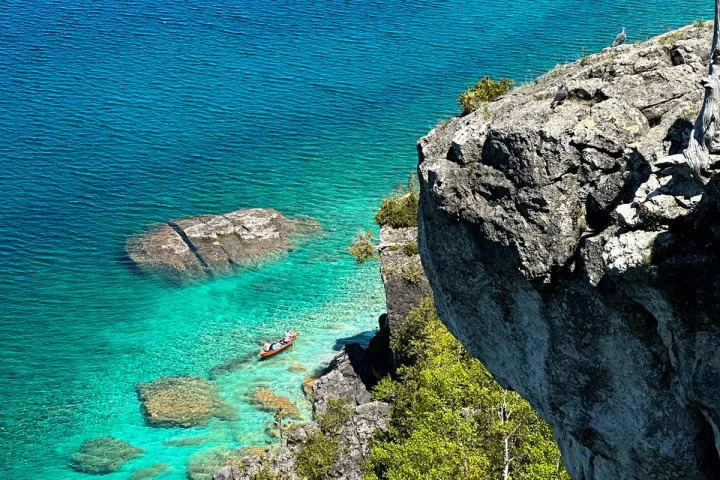
Want a guided Ontario hike instead? Toronto Eco Adventures runs small-group outdoor trips with a maximum of seven people. Its current tours include the Lion’s Head Lookout Trail Day Trip, with a guided hike and a 13-hour trip from Toronto.
6. Pack for Sun, Sand, and Little Shade
The lakeside can feel bright and exposed. Shade is limited in parts of the walk. Sand can also work its way into shoes, bags, and anything else that gets near the beach. A small pack can make the day much easier.
Bring only what fits the route. There is no need to carry a huge hiking bag for a short park walk. Water matters most, especially on warm days.
A smart pack includes:
- Water or a refillable bottle
- Sunscreen and a hat
- Closed-toe walking shoes
- A small snack or packed lunch
- A light towel if beach time is part of the plan
Toronto Eco Adventures gives similar advice for its guided day trips. Its packing guidance includes hiking clothes, closed-toe shoes, sunscreen, snacks, lunch, and plenty of water.
7. Know the Rules for Dogs, Bikes, and the Beach
Park rules can change, so check current signs before your visit. The City currently states that dogs are not allowed on supervised swimming beaches. That matters at Bluffer’s Park Beach during the supervised beach season.
There is also an active discussion about possible future off-leash areas at Bluffer’s Park. In May 2026, Toronto City Council asked staff to assess whether the West Beach and East Beach could meet the City’s criteria for an off-leash area. That does not mean those beaches are now off-leash areas.
Bikes can be useful on permitted paths, but people on foot still need space. Bathrooms are also worth locating before you start a longer walk. Check signs near the park and facilities when you arrive.
Final Thoughts
A better Bluffs hike does not need a complex plan. Pick the right parking area, arrive early, match the route to your time, and stay away from the unstable bluff edge. Pack light and check current park rules before you go. Those small choices can turn a rushed visit into a calm walk beside Lake Ontario. And when the view opens up across the water, ask yourself: why hurry past a place this close to Toronto?
FAQs
Q1: Is the Scarborough Bluffs Trail good for beginners?
Yes, the lakeside paths around Bluffer’s Park can suit beginners. Much of the walking is flat and does not require technical hiking skills. The main concern is staying on safe paths near the Bluffs.
Q2: How long does the Scarborough Bluffs Trail take?
Allow about one to two hours for a basic outing. A longer route with beach time, photos, and extra walking can take longer. The exact time depends on which connected paths you choose.
Q3: Can you climb the Scarborough Bluffs?
No. Visitors should not climb the bluff face or approach the edge. The City warns that the bluff edge is unstable and tells visitors to stay behind fences.
Q4: What is the best time to visit the Bluffs?
Weekday mornings before 9 a.m. are a good choice for a quieter visit. Summer weekends can bring larger crowds and parking pressure. Arriving early gives you more time to enjoy the lake without the rush.
Q5: Is there parking at Bluffer’s Park?
Yes. The City lists a parking lot at Bluffer’s Park on Brimley Road South. Check current GreenP information before your trip for rates and parking rules.
Q6: Does TorontoEco Adventures offer hiking tours?
Yes. Toronto EcoAdventures offers several guided outdoor trips from Toronto. Current options include the Lion’s Head Lookout Trail, Algonquin Park adventures, Bon Echo, Muskoka, and other seasonal trips. Its small-group trips have a maximum of seven participants.