
Backcountry Camping Ontario: Wilderness Trip Planning Guide
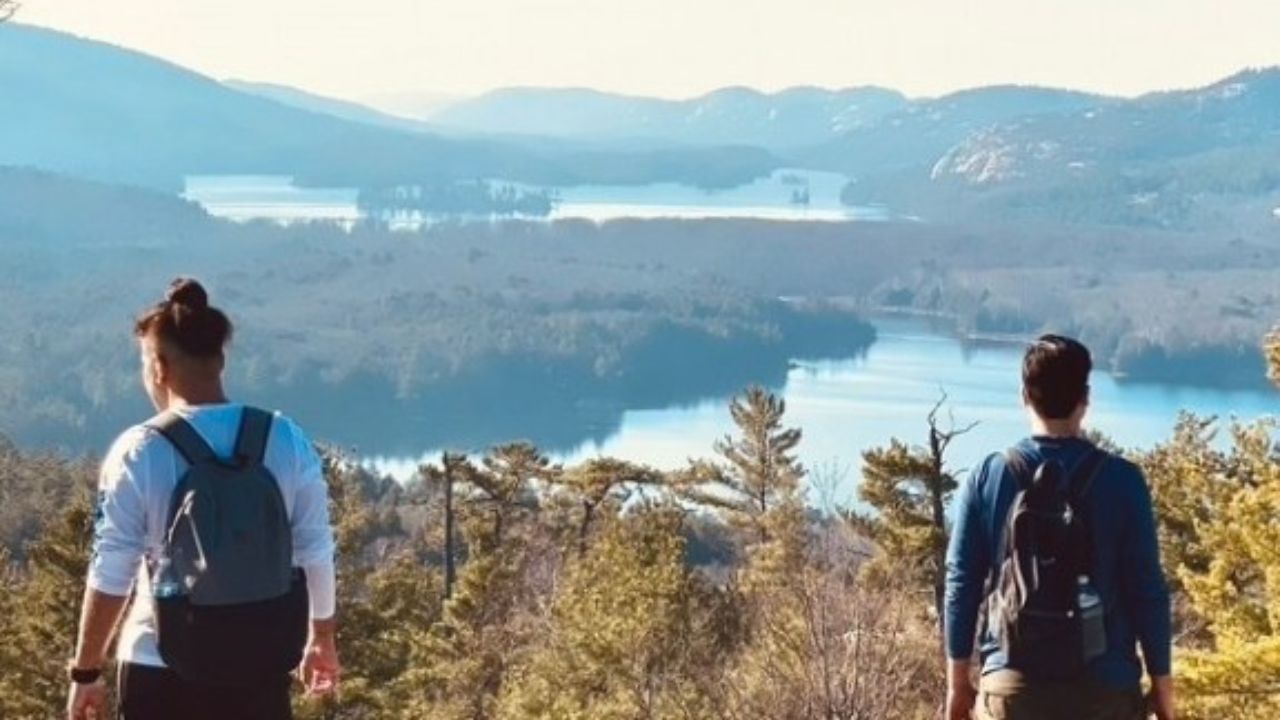
Backcountry camping in Ontario is one of the best ways to unplug, reset your mind, and feel truly small under a sky full of stars, but it only feels magical when you plan it right.
If you’re serious about booking this kind of trip, you probably have real questions. Is it safe? Is it beginner-friendly? Do you need a guide? Is it worth the money? I’ve asked those same questions before my first overnight in Algonquin. I remember staring at a map thinking, “This is a lot of trees. What if I get lost?” That doubt is normal. Let’s walk through it calmly and clearly.
What is Backcountry Camping
Before getting into how to do a backcountry camping, let’s understand what it actually is.
Imagine yourself going to a secluded place hiking, paddling and camping away from the city crowd. That’s exactly what backcountry camping is.
Backcountry camping is camping in remote natural areas that are far from roads, towns, and developed campgrounds.
You hike, paddle, or ski into the wilderness carrying everything you need on your back. There are no showers, no stores, and often no cell service.
Why Backcountry Camping Ontario Is Worth It
The biggest reason people choose backcountry camping Ontario trips is simple. They get space, silence, no RV generators, no busy car campgrounds. Just forest, water, and you.
Ontario has over 330 provincial parks. Some of the best backcountry areas include:
- Algonquin Provincial Park
- Killarney Provincial Park
- Bruce Peninsula National Park
- Frontenac Provincial Park
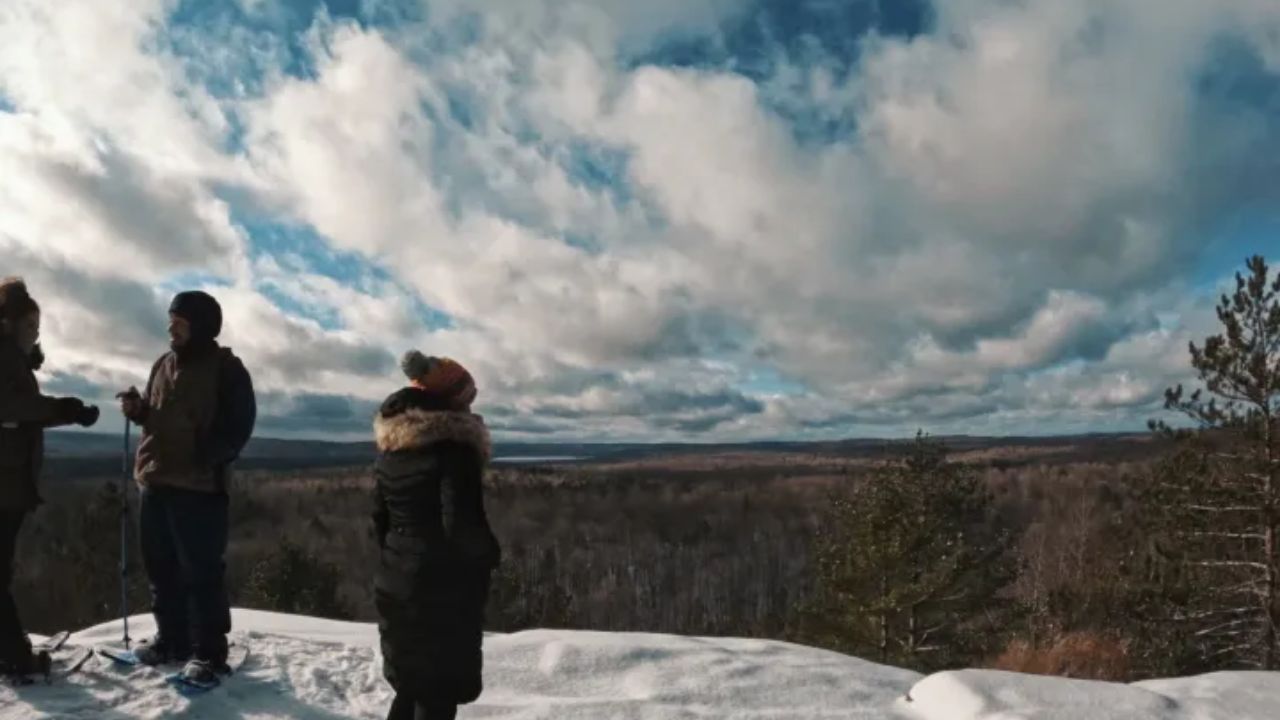
Each offers marked interior sites, canoe routes, or hiking loops. These parks are managed, mapped, and regulated. That means designated campsites, fire rules, and permit systems. It’s wild, but it’s structured wild.
You sleep by a lake with no road noise. You cook dinner over a small stove. You hear loons at night. That feeling stays with you.
Is Backcountry Camping Ontario Good for Beginners?
If you are planning a backcountry camping trip for the first time, you must be wondering if it’s safe and ideal for beginners. This is where many people get stuck. They imagine extreme survival. They picture bushwhacking with a machete. That’s not what most Ontario backcountry routes are like.
Still, you need basic skills:
- Packing properly
- Reading a trail map
- Managing food storage
- Understanding weather changes
- Knowing simple safety rules
If you have never camped before, we strongly suggest starting with a guided experience. This is where companies like Toronto EcoAdventures make sense. They offer small group wilderness experiences and guided outdoor adventures that remove the stress of planning.
And honestly, that first guided trip builds confidence fast.
When Is the Best Time for Backcountry Camping Ontario?
You cannot do backcountry camping just at any time. Timing matters more than gear. Ontario has four true seasons. Each changes the experience.
Late May to June
Mosquito season begins. But the lakes are quiet. Forests feel fresh. Fewer crowds.
July to August
Warm water. Stable weather. Peak season. You must book early.
September
This is our personal favorite. You get cool nights, fall colors, fewer bugs, and crisp mornings.
October
Cold nights. Stunning leaves. Shorter daylight hours.
Winter camping exists too. But that’s an advanced level. If you want comfort and beauty, aim for early September. The air smells clean. The lakes feel calm. And you sleep like a rock.
Permits and Rules You Cannot Ignore
Ontario parks require backcountry permits. You reserve specific interior sites. You cannot just camp anywhere.
Each park has:
- Daily permit fees
- Site capacity limits
- Fire restrictions depending on season
- Leave No Trace guidelines
Fire bans happen in dry months. Always check official park websites before departure. Rules change based on weather and wildfire risk.
Food must be stored securely. Black bears live in many parks. They rarely attack, but they will investigate food smells.
Good planning reduces risk to almost zero.
What You Actually Need to Pack
This is where people overthink. Backcountry camping in Ontario is not about bringing everything. It’s about bringing the right things.
Shelter
- Lightweight tent
- Groundsheet
- Compact sleeping bag rated for season
- Sleeping pad
Cooking
- Small camp stove
- Fuel
- Lightweight pot
- Simple food
Clothing
- Base layer
- Warm mid layer
- Rain jacket
- Extra socks
Safety
- First aid kit
- Headlamp
- Map and compass
- Whistle
Keep it simple. If you can’t carry it comfortably, it doesn’t go. On guided trips, some gear may be provided or recommended in advance. That reduces guesswork.
Weather in Ontario Backcountry
Weather changes quickly. Summer storms build in the afternoon. Temperatures drop at night even in July. Wind can make lakes rough. Always make sure to:
- Check forecast 48 hours before departure
- Pack rain gear
- Plan early starts on canoe days
Cold nights surprise many first timers. Even in summer, temperatures can dip into the 40s Fahrenheit in northern parks. Better to pack one extra warm layer than shiver all night.
Safety Concerns Most People Worry About
Let’s address the common fears directly that many people fear.
Bears
Black bears are shy. They avoid humans. Problems happen when food is stored poorly. Hang food or use bear-resistant containers.
Getting Lost
Stay on marked trails or mapped routes. Carry a paper map instead of totally relying on phone GPS alone.
Injury
Go slow. Watch footing and do not rush portages. Most injuries come from fatigue.
Isolation
You are not alone in most parks. Other campers use the same routes. Rangers patrol larger parks.
Cost Breakdown: Is It Worth the Money?
Backcountry camping Ontario can be budget friendly. But costs vary.
DIY Trip Costs
- Park permit fees
- Equipment purchase or rental
- Food
- Transportation
Guided Trip Costs
- Professional guide
- Logistics planning
- Group support
- Skill instruction
For beginners, guided trips often feel worth it because they remove planning stress. You pay for experience and safety. Think about value, not just price. A failed DIY trip can cost more in gear mistakes and frustration.
Physical Fitness: Do You Need to Be in Shape?
You do not need to be an athlete. But you need basic endurance. You should be able to:
- Walk several miles with a pack
- Paddle steadily for an hour
- Carry 30 to 40 pounds short distances
Start training two to three weeks before. Walk with a loaded backpack. Do simple leg workouts. It helps. If fitness worries you, choose shorter routes. Many guided options are built for mixed fitness levels.
How Toronto EcoAdventures Fits In
If you’re coming from Toronto and want structured support, Toronto EcoAdventures provides guided outdoor experiences designed for people who want wilderness without chaos.
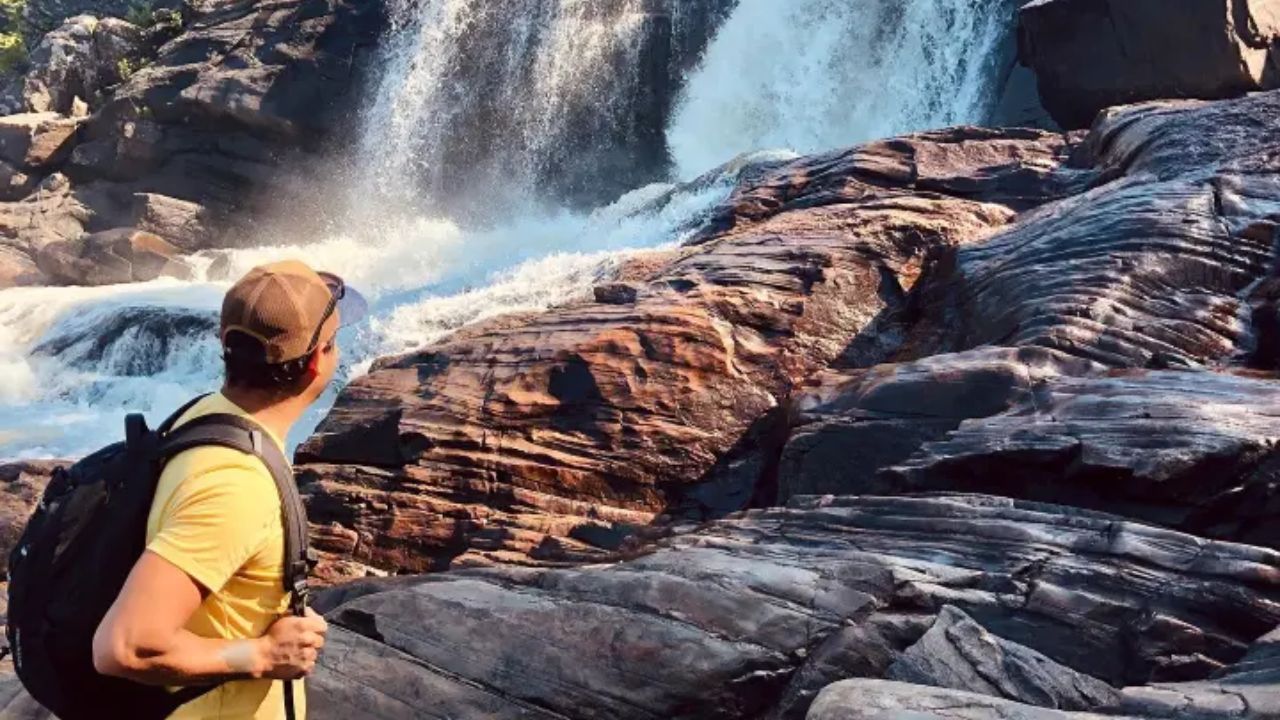
Two of their common service styles that align with backcountry camping Ontario interests include:
- Guided wilderness canoe adventures
- Small group eco hiking and camping tours
These trips focus on sustainability, education, and low impact travel. You learn about ecosystems. You understand park history. You travel responsibly.
What About Cell Service?
This is the question that we get most commonly. So, here’s the answer. Expect little to none cell service. Some parks have limited signals near access points. Interior sites usually have none.
Tell someone your route plan before leaving. Set a return time. That is standard outdoor practice. Guided tours handle communication planning and emergency protocols. That’s another benefit.
Food Planning Tips That Make Life Easier
Food is morale and helps you survive the day. So, keep the food simple:
- Oatmeal for breakfast
- Wraps or trail mix for lunch
- One pot dinners like pasta or rice
Avoid heavy canned food. Remove packaging before departure. Pack calorie dense items. And bring one comfort snack. Chocolate tastes better in the woods.
Leave No Trace Ethics
Ontario parks protect fragile ecosystems therefore it is necessary that you keep the area clean and leave no trace behind. Follow core principles:
- Pack out all trash
- Stay on established sites
- Do not cut live trees
- Respect wildlife distance
Backcountry camping Ontario works only when visitors protect it. Guided eco tours often emphasize this deeply. You learn why small actions matter.
Planning Timeline
Here’s a simple timeline we recommend:
- 2–3 Months Before: Choose the desired park. Book permits. Decide guided or DIY.
- 1 Month Before: Test gear. Break in boots. Start light fitness prep.
- 1 Week Before: Check weather. Finalize food plan. Review route map.
- 1 Day Before: Pack calmly. Sleep early.
Good planning reduces 90 percent of stress.
Common Mistakes to Avoid
However much planning you do beforehand, there are still some mistakes you might end up making. Here are the most common mistakes people make:
- Packing too much
- Ignoring weather forecasts
- Overestimating daily distance
- Not testing gear beforehand
- Skipping map practice
Every experienced camper has made at least one of these mistakes. Learn from them instead of repeating them.
The Emotional Payoff
This is hard to measure. But it matters most. Backcountry camping Ontario gives you deep rest, clear thinking, physical satisfaction, and stronger confidence
You can plan everything perfectly and still feel nervous before you go. That’s normal. The forest does not demand perfection. It asks for respect and preparation. And once you step into that quiet shoreline at sunset, watching mist rise off the lake, you may find yourself wondering why you waited so long to try it.