
Eramosa Karst Conservation Area: 5 Easy Hike Essentials
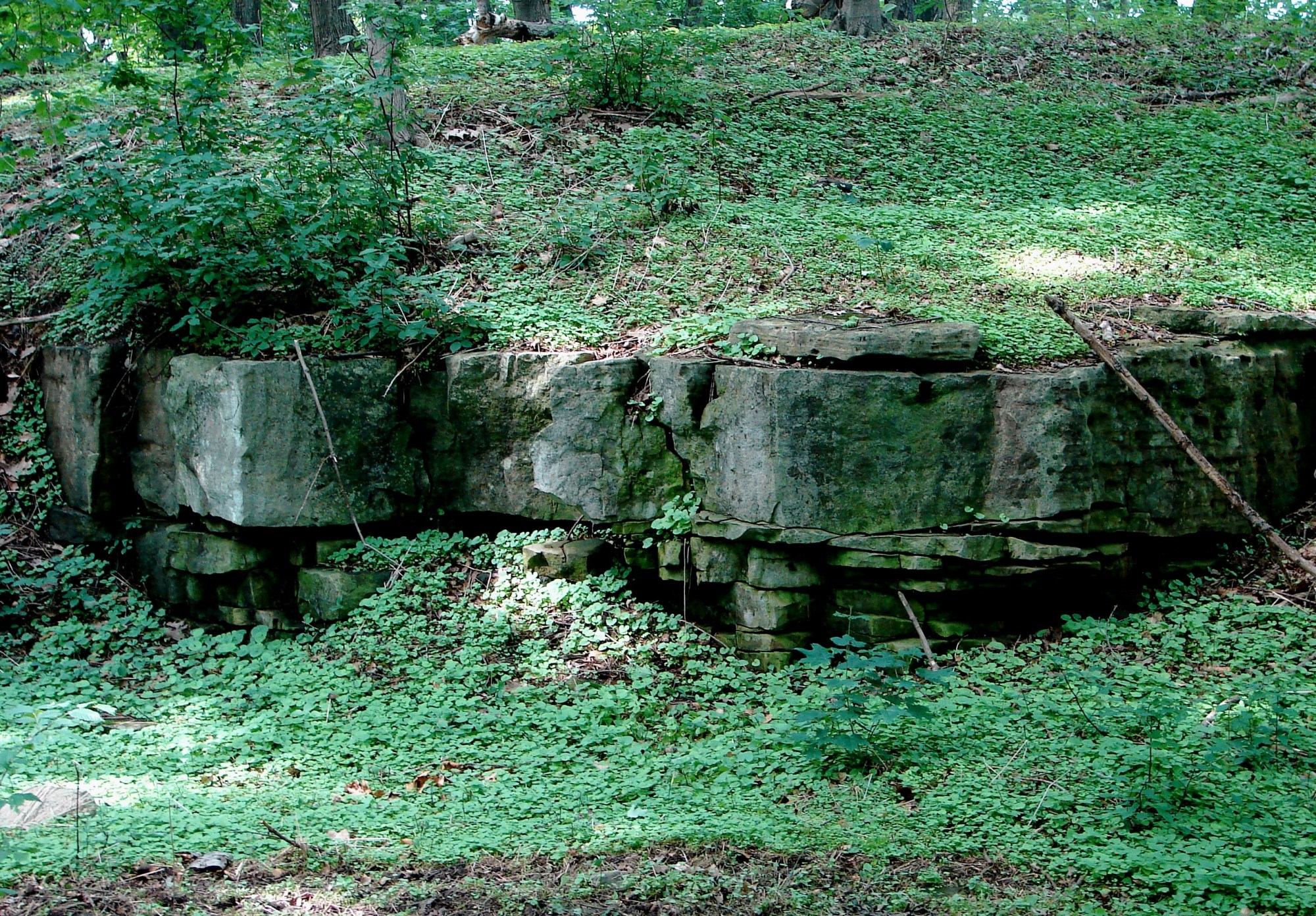
Eramosa Karst Conservation Area is a good choice for a first hike, with a 2.8 km loop and cave features you can see from marked trails. Start with the Karst Features Trail if you want to see what sets this spot apart. Give yourself up to 90 minutes if you like to stop and read the signs. You can make it a short walk, too.
Set in Stoney Creek on Hamilton Mountain, the site has woods, fields and creeks that can slip out of sight. That’s part of the fun here. You can stand by a dry creek bed and try to work out where the water goes. The signs help you make sense of what you see.
1. Pick the Karst Features Trail for Your First Walk
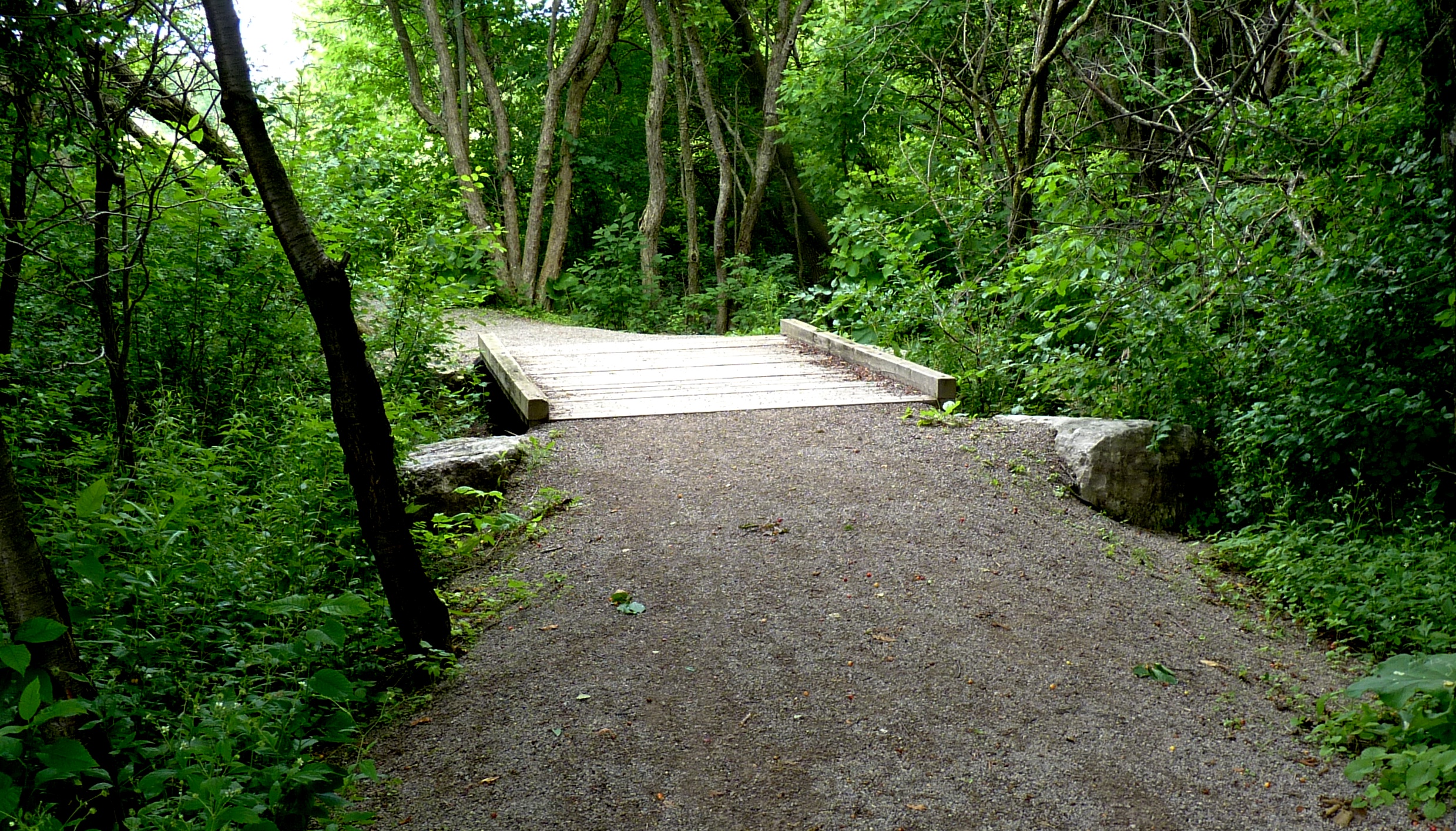
The Karst Features Trail makes a good first walk at Eramosa Karst Conservation Area because it’s a loop. Once you’re on it, you can follow the signs back around. A loop also takes some of the guesswork out of how far you’ll walk. If you’re with kids, leave time for the stops they get to pick.
More than 7 km of trails cross the site. A short stretch can be plenty if you just want some fresh air. If you choose a one-way trail, work out how you’ll get back before you set off. The trail length on the sign may cover only half your walk.
- Karst Features Trail, 2.8 km loop: Choose this for a first visit if you want to see the rock and stream features. Set aside extra time if you plan to read the signs or take photos along the way.
- Bobolink Trail, 1.9 km one way: Walk the full trail and back for a 3.8 km outing on the trail itself. For a shorter walk, set a time to turn back.
- Meadows Trail, 2.1 km one way: Pick this for a walk through more open ground. Allow for 4.2 km on the trail itself if you walk the whole route in both directions.
2. Check Parking, Hours and Trail Alerts Before You Go
The main lot for Eramosa Karst Conservation Area is at 86 Upper Mount Albion Road in Stoney Creek. The Hamilton Conservation Authority lists parking at $8.50 per day. You can buy a day pass in advance. The site is open daily from sunrise to sunset unless posted hours say otherwise.
A quick look at the park alerts can save you a trip to a closed stretch of trail. Check again on the day you go, since the route you had in mind may change. If a sign blocks your path, turn back to the last marked fork and pick a route that’s open. It helps to have a short walk in mind as a backup.
- Save the trail map to your phone: Find the main lot and the trail name before you leave the car. At each fork, match the sign to your map.
- Work back from sunset: If you head out late in the day, pick a time to turn back. Leave room for a slow walk or a few more stops than you planned.
- Check access for your group: The main lot has three accessible parking spaces. If you need a firm, smooth path, ask park staff about the stretch you plan to walk.
3. Bring Shoes With Grip and a Small Day Pack
A short walk can still feel long in shoes that slip. After rain, take your time on wet rock and damp boards. If you reach a slick patch and feel unsure, head back while the footing is still good. A short hike on a dry day can be a better fit for your group.
Think about who’ll be out there with you. A child may want a snack well before you reach the end. A friend who runs warm in the sun might cool off fast at a long stop in the woods. Pack for the pace you’ll walk, stops and all.
- Shoes with good grip: Wear a pair you’ve walked in before. If the path looks icy at the start, save the loop for a day when you have better footing.
- Water, a snack and a light layer: Keep the snack near the top of your bag. Bring a shell if the sky looks set to turn.
- A charged phone and a leash if you bring your dog: Keep your dog close and pack waste bags. The park asks you to keep pets on a leash and bin their waste.
4. See the Caves and Streams From Marked Spots
You can view cave features at Eramosa Karst Conservation Area from marked trails and viewing areas. The park bars entry to the caves. Some holes in the rock lead to spaces you can’t see from above. Give the edges room and use your phone’s zoom if you want a closer look.
Wondering what does karst mean? Think of rock that slowly dissolves as water flows through it. Over time, gaps can grow into caves, and streams can run below ground. At Pottruff Cave, part of the rock roof fell in, leaving an opening called a karst window.
Here’s a game to play if you bring kids. Stop at a marked spot by the creek and ask them to guess where the water goes next. Then read the sign and see how close they got. In dry spells, water can still flow beneath the creek bed. After a lot of rain, you may see it on the surface as well.
5. Decide If You Want a Short Walk or a Guided Day Trip
You can hike Eramosa Karst Conservation Area on your own with the park map and trail signs. That works well if you have a ride and want to set your own pace. You can spend five more minutes by the creek or head home when the kids are done. If all you want is one good walk before lunch, keep the plan that simple.
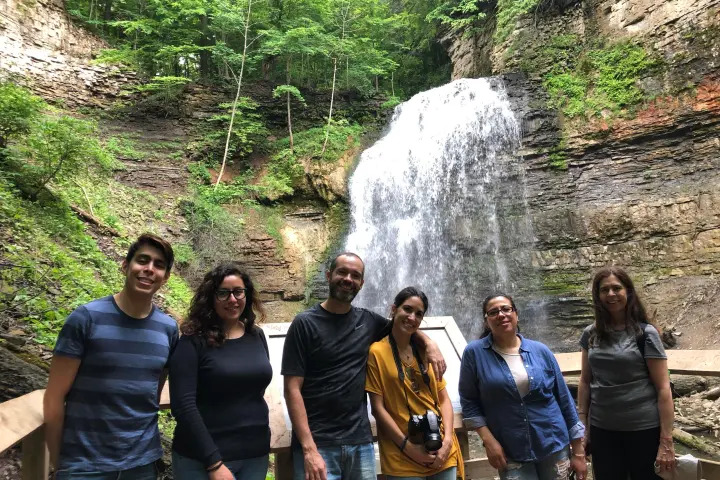
If you’re starting in Toronto and want a full day out with a guide, look at Toronto Eco Adventures’ Niagara Falls Adventure Tour. The trip includes round-trip minivan transport and guided hikes. Its posted stops include Tews Falls, Tiffany Falls, Sherman Falls and Niagara Falls. Plan the karst hike as a separate outing.
Leave Time to Follow the Water
For your first visit, pick the loop, check the park alerts and bring shoes with grip. Then give yourself time to stop at the marked spots and read a sign or two. On much of the Niagara Escarpment, people look up to see where the water falls. Here, the fun is in guessing where it went.
FAQs
Q1: How long does the main hike take?
Set aside about an hour to an hour and a half for the 2.8 km Karst Features Trail. That’s a planning estimate, and your pace will depend on trail conditions and how often you stop. For a shorter visit, walk part of the trail and return the way you came.
Q2: Can you take a stroller on the trails?
It depends on your stroller and the path you choose. The park has boardwalks and bridges, and its trail guide notes that even easy trails can have obstacles. If you need a smooth route for the full walk, check with park staff before you go.
Q3: Can you visit in winter?
Yes. The park lists daily hours from sunrise to sunset unless otherwise posted. Check the alerts and look at the trail when you get there.