
11 Amazing Places for Stargazing in Ontario for a Breathtaking and Unforgettable Night-Sky Adventure
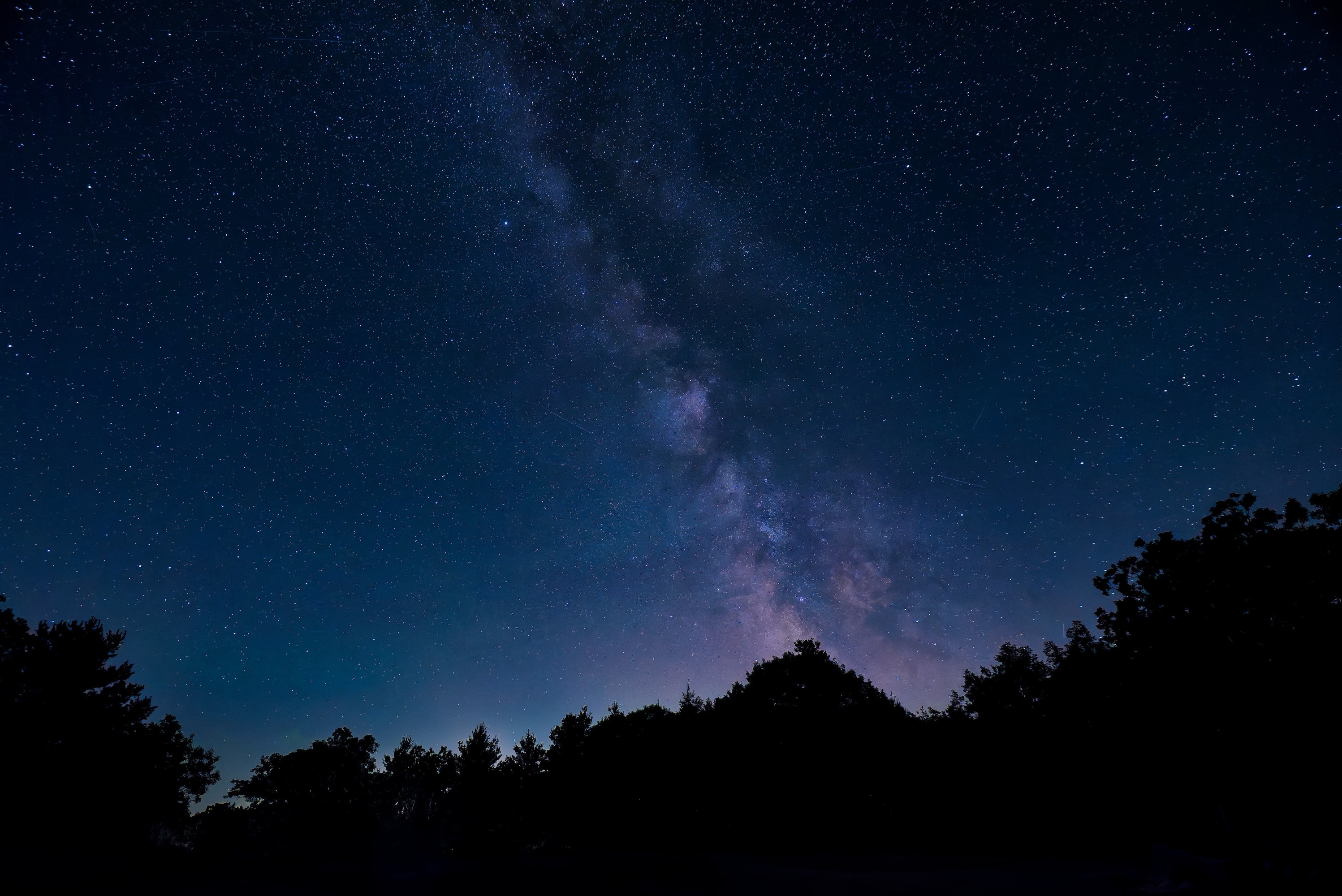
The best places for stargazing in Ontario offers are dark-sky parks such as Torrance Barrens, Killarney, Quetico, and Point Pelee. These areas cut much of the city glow that hides faint stars. On a clear, moonless night, you may see the Milky Way, bright planets, and more stars than you knew were there. Yet a dark map pin alone does not make a good trip. You need legal night access, safe parking, and a clear forecast. Always check the official page before leaving.
Why Stargazing in Ontario Feels So Special
Ontario has vast lakes, rocky shores, and forests far from street lamps. Water gives you a broad horizon. Bare rock may open the whole sky. For stargazing Ontario weather matters too. A full moon can hide the Milky Way. Therefore, aim for this activity near a new moon and check cloud and smoke forecasts.
11 Best Places for Stargazing Ontario Visitors Can Explore
1. Torrance Barrens Dark-Sky Preserve
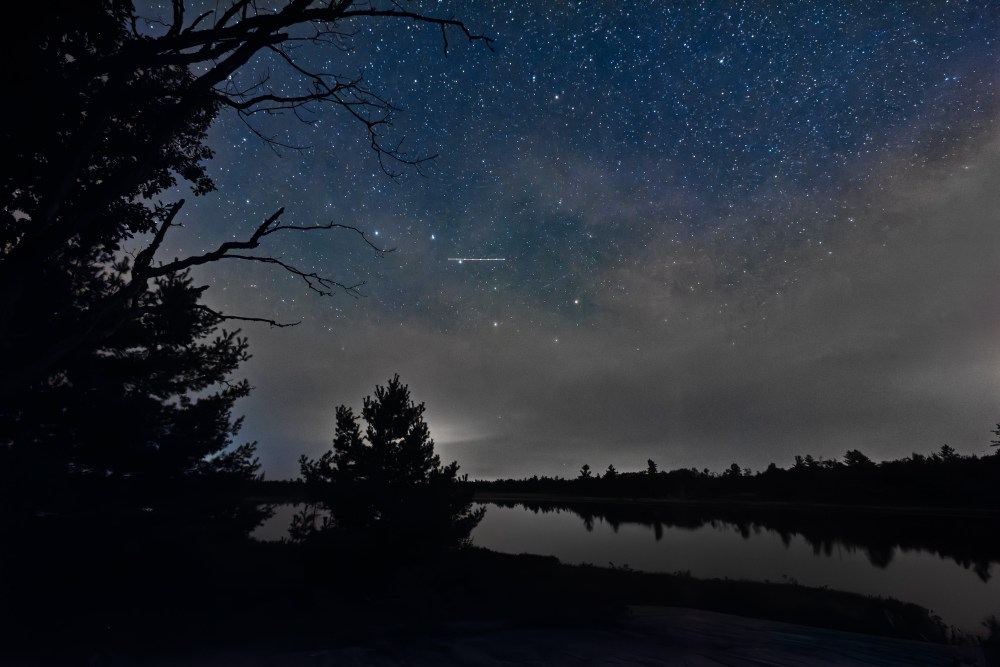
Torrance Barrens is a classic stargazing Ontario choice from the Greater Toronto Area. Its low trees and flat granite open up wide views. The land feels stark by day, then turns into a natural planetarium. Make sure to stay on marked routes and keep lights low. The rock may be slick, so wear closed shoes.
2. Lennox and Addington Dark Sky Viewing Area
This site near Erinsville is built for people who want a simple night out. It has a level viewing pad, free parking, and space for tripods. It is open from dusk to dawn all year, but camping is not allowed. The county also runs public events from spring through fall. Remember to bring your own chair and gear unless an event says otherwise. The open pad makes it easy to trace the Big Dipper and watch the Milky Way rise.
3. North Frontenac Astronomy Park
North Frontenac pairs a dark rural sky with useful facilities. It has an observation pad, parking, power, picnic tables, and an accessible washroom. Do you need a guide for this? Not always, but a public event can help beginners find planets and star clusters.
4. Killarney Provincial Park
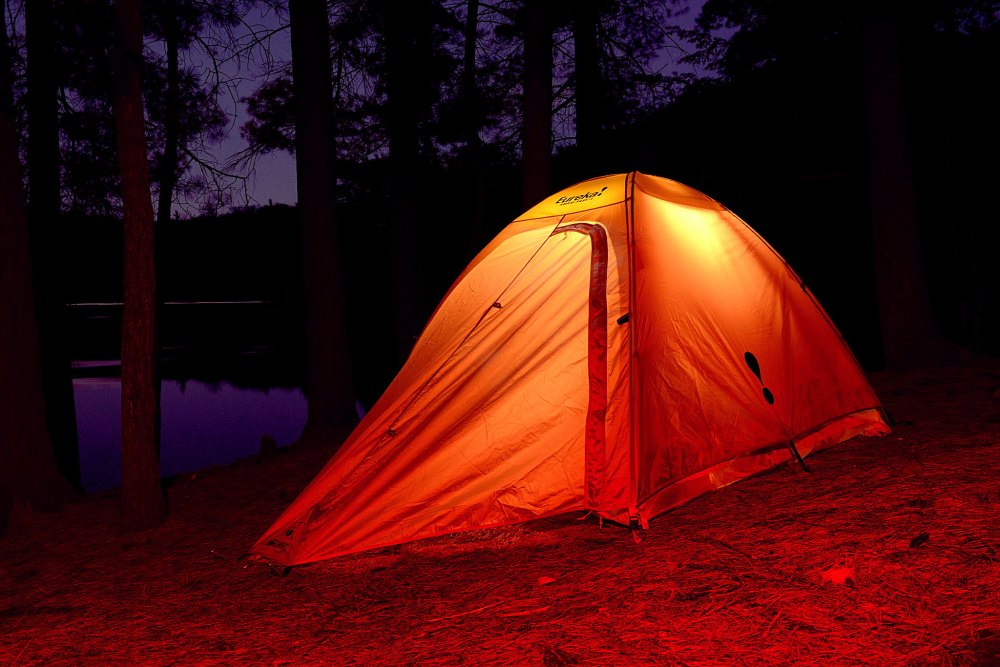
Killarney pairs a dark sky with white quartzite hills and pink granite shores. It is a standout stargazing Ontario park and has an observatory. Camp near George Lake to settle in before the stars appear.
The drive from Toronto is long, so make it more than a late dash north. Toronto Eco Adventures offers a Killarney and French River day trip for hikers aged 13 and up. The listed 13-hour trip is a daytime adventure, not a night tour. You can book separate legal lodging or camping if you want to stay for the stars.
5. Manitoulin Eco Park
Manitoulin Eco Park gives viewers a broad, 360-degree sky and was Canada’s first commercial site to gain a Royal Astronomical Society of Canada dark-sky designation. Rustic stays and astronomy events make it appealing for visitors who want more than a quick roadside stop. Manitoulin asks you to slow down. So, let the last light fade and sit still. Patience may bring a meteor or faint band of stars into view.
6. Bruce Peninsula National Park
The Bruce Peninsula brings dark skies, Georgian Bay cliffs, and strong Milky Way views. It lies within the traditional territory of the Saugeen Ojibway Nation. Popular areas may need parking or camping reservations, so this is not a trip to plan on the fly. You can reach here by booking a tour with Toronto Eco Adventures and stay at a legal campsite or join an approved program.
7. Point Pelee National Park
Point Pelee is a strong stargazing Ontario choice in the southwest. Its Lake Erie view opens the southern sky. The park runs select Dark Sky Nights after normal hours. Check the calendar before driving to Leamington, as regular closing times apply on other dates.
8. Quetico Provincial Park
Quetico is the big, wild option. Located west of Thunder Bay, this vast park has exceptionally dark skies and International Dark Sky Park status. It works best for campers and paddlers who are ready for distance, weather, and real wilderness. Is it worth the trip? Yes, if the sky is a main trip goal. Make sure to plan several days and reserve early.
9. Lake Superior Provincial Park
Lake Superior Provincial Park offers a huge water horizon and very little nearby light. Agawa Bay is a well-known place to watch the sky above the lake. The scale is hard to grasp until the shore goes black and the stars seem to meet the water. Lake weather can change fast, so pack a dry layer and stay back from rough surf in the dark.
10. Algonquin Provincial Park
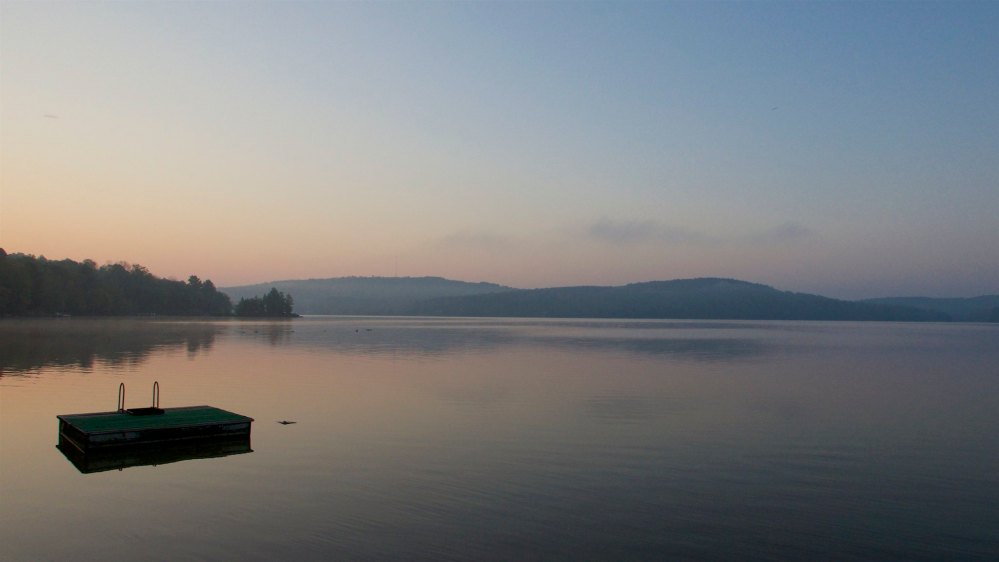
Algonquin is easier to reach than Ontario’s far northwest, yet it still feels far from Toronto’s glow. A campsite gives you time to watch the sky after a day of paddling or hiking. Open lake edges can offer good sightlines without leaving a safe area. Store food as directed and never wander alone at night. The best spot is often close to camp.
11. Fathom Five National Marine Park
Fathom Five can deliver fine stars above the clear waters near Tobermory. Flowerpot Island and the park’s remote camp areas feel far removed from urban light. But access may involve a boat, a booking, and a firm plan for the return or overnight stay. Check transport, campsite rules, and weather well ahead. Georgian Bay can be magic when the plan is sound.
How to Plan a Safe Stargazing Ontario Trip
A telescope is optional; however, good timing and warm clothes matter more.
Before leaving, check these items:
- Choose a clear night close to the new moon.
- Confirm park hours, fees, permits, and reservations.
- Check smoke, wind, temperature, and aurora forecasts.
- Download maps because cell service may fade.
- Bring a chair, water, warm layers, and insect spray.
- Use a dim red light to protect night vision.
- Tell someone where you are going and when you will return.
Park with care and turn off headlights when safe. Keep music low and pack out all trash. Ontario guidance asks visitors to limit artificial light and use red lights.
Choosing the Right Place for Your Night
Stargazing in Ontario is an extremely underrated activity, but you can get the most of it if you choose the right place to do it. For an easy setup, you can pick Lennox and Addington. You can choose Point Pelee for a planned public night, try Killarney when hiking matters too and save Quetico for a wilderness trip. If you are new, start small. One clear hour at a legal pad beats a cold night with no plan. When the Milky Way appears, will you ever see the dark the same way again?
FAQs
Q1: What is the best month for stargazing in Ontario?
Late summer and fall bring longer nights without deep winter cold. Still, the best night is clear, dry, and near the new moon.
Q2: Can you see the Milky Way in Ontario?
Yes. Many stargazing Ontario sites reveal it on a clear, moonless night. Avoid bright screens and face away from towns.
Q3: Can you see the northern lights in Ontario?
Yes, but no view is guaranteed. Check a current aurora forecast and seek a clear northern horizon.
Q4: Do you need a telescope to go stargazing?
No. Your eyes can find constellations, meteors, planets, and the Milky Way. Binoculars are a useful next step because they are cheap, light, and simple to aim.
Q5: Are Ontario dark-sky sites open all night?
Rules vary. Lennox and Addington states that its viewing area is open dusk to dawn, while Point Pelee offers access on select Dark Sky Nights. Provincial and national parks may require permits, bookings, or overnight camping.