
Why These 6 Muskoka Waterfalls Are Perfect for Nature Lovers
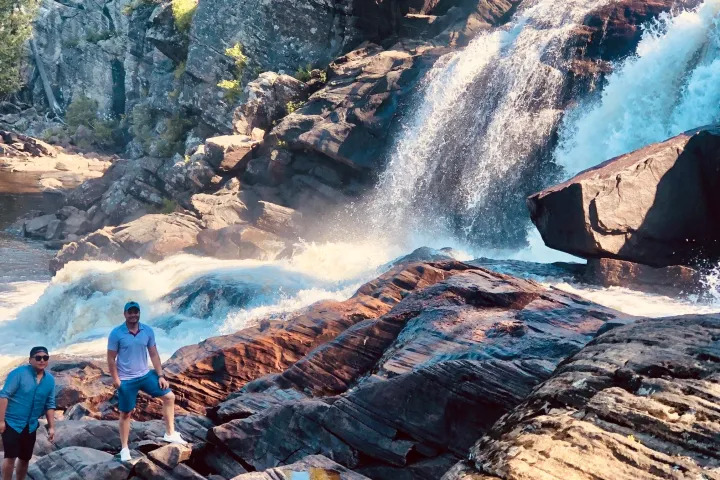
Muskoka waterfalls give Toronto nature lovers quiet trails, pine scent in the air, and cold spray off dark Canadian Shield rock. Most sit about two hours north of the city, which means you can leave after breakfast and still hear rushing water before lunch.
But there’s just one problem with Muskoka. It has dozens of falls, and most guides treat them the same. All the falls are different in themselves. Some suit families with kids, while others are better for people who enjoy more active hiking trails.
This guide helps you pick the right stop for the day you actually want.
How to Choose the Right Waterfall for Your Day
Not every waterfall on this list fits every person. Some are full hiking days, and others feel more like scenic town walks beside the river.
Picking the best Muskoka waterfalls for your trip depends on one thing: what kind of pace you want. Whether it’s slow and quiet, or whether you want it for older people and young kids.
A bad match ruins the day fast. Hatchery Falls, for example, has loose dirt and steep ground. This is fine for hikers but rough for toddlers. Bracebridge Falls has almost no hiking at all, which sounds dull until you want an easy evening stop before dinner on Manitoba Street.
Here’s the quick version:
- For families with kids: Stubb’s Falls
- For strong hiking and loud water: Ragged Falls
- For easy access and wide paths: High Falls
- For a relaxed town stop: Bracebridge Falls
6 Muskoka Waterfalls Worth Every Kilometre
Muskoka waterfalls, though, are very different; they are all equally beautiful. We’ve listed six Muskoka waterfalls that’ll have a fit for everyone’s fitness levels and preferences.
1. Ragged Falls
Most Muskoka falls feel calm, but Ragged Falls does not. The Oxtongue River crashes hard through a narrow rock gorge east of Huntsville. You hear it before you see it.
The trail from the parking lot is only about one kilometre, but the terrain matters. Exposed Canadian Shield rock stays slick even on dry days.
Make sure to put on your trail shoes if planning to go here, as flip flops won’t support you. The lower viewpoint gives the full wall of water and the strongest spray. Then climb higher where the top trail puts you almost beside the river as it drops through the gorge.
A provincial park day pass is required here. The automated kiosk near the lot usually works well, though busy summer weekends can slow things down. Arrive before 10 a.m. for softer light and lighter crowds.
2. High Falls
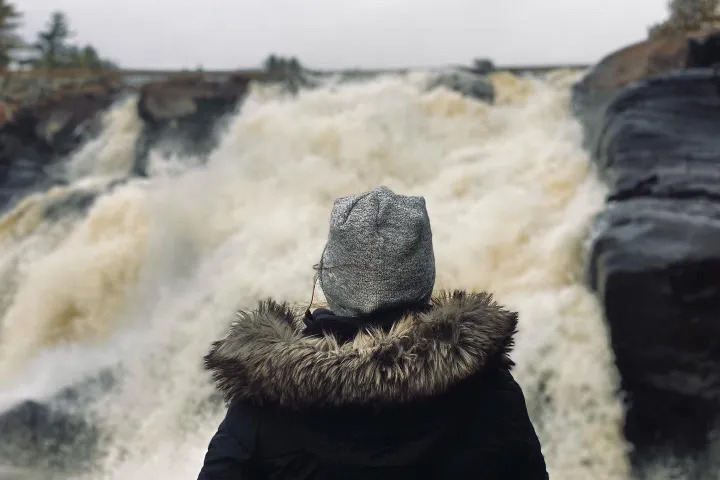
High Falls is the most underrated waterfall site in Muskoka. Most people expect one waterfall beside a short trail. Instead, this area near Bracebridge holds five separate falls connected through forest paths and river overlooks.
Muskoka Canyon Falls steals attention first. The river has carved deep grooves through ancient rock walls over thousands of years. You can see the layers clearly after the rain.
Pott’s Falls sits quietly nearby, while Little High Falls feels softer and more tucked away. The trails vary in difficulty, but key sections are wheelchair accessible. That changes who can enjoy this stop.
A day permit is required for the conservation area, so check local pricing before your visit. The site also links into the Trans-Canada Trail, which means strong hikers can turn a short stop into a half-day outing without repeating ground.
If you don’t want to go through the trouble of organizing everything yourself, Toronto Eco Adventures offers several Ontario nature trips from the city, including a Muskoka Ultimate Adventure tour. This tour is perfect for hiking-focused outings for people who want transport, local guidance, and less planning stress.
3. Stubb’s Falls
Stubb’s Falls works well for first-time waterfall hikers because the trail feels like a real forest walk instead of a steep scramble toward one viewpoint.
The loop inside Arrowhead Provincial Park stretches about 2.6 kilometres and stays fairly easy for most people. Even younger kids stay excited here.
The Little East River slides through smooth rock instead of dropping straight down. You can sit close beside the water in several spots, which makes this feel more interactive than many other falls in Ontario.
An Ontario Parks pass is required before entering the park. Check the current fee online before your visit. Fall colours here peak around early October, while winter brings snowshoe trails and frozen river edges.
4. Bracebridge Falls
Bracebridge Falls is not a hiking destination. You park near downtown Bracebridge, walk a couple of minutes, and suddenly the Muskoka River pours through the centre of town beside old stone buildings and riverside paths. Easy access changes everything here.
The Silver Bridge viewpoint gets most of the photos, but the better move is slowing down along Wharf Road afterward. Heritage plaques line the route toward Bracebridge Bay and explain how the river shaped the town’s mills and trade routes years ago.
Night changes this place completely. Coloured floodlights illuminate the falls after dark, and the river reflects the glow through the trees beside the bridge. It feels less like a quick roadside stop and more like part of the town itself.
5. Bala Falls
Bala is a detour. The town sits off the main Muskoka route from Toronto, so you need to choose it on purpose. That extra effort keeps the area quieter than Bracebridge during busy weekends.
The main waterfall viewpoint sits beside the dam in town. During spring melt, the water volume feels huge for such a compact area.
Walk downstream for five minutes, and you reach the lower falls area, which feels calmer and less crowded. You’ll see local anglers often standing nearby during early mornings.
The Bala Historic Walk pairs naturally with the falls visit. The self-guided route covers about 4.5 kilometres through town streets, river edges, and older buildings tied to cottage-country history.
6. Wilson’s Falls
You’ve probably already skipped Wilson’s Falls because most people do. High Falls and Bracebridge Falls sit closer to the main roads, so drivers rarely continue farther along River Road. But that’s a mistake. Wilson’s feels quieter and more raw than the others near Bracebridge.
The trail begins near the end of River Road and stays fairly short at roughly one kilometre. The payoff comes quickly. Instead of standing beside the water, the overlook places you above the cascade, looking down through the trees and rock ledges. That angle changes the whole feel of the place. You notice the force of the river more clearly from above.
Best Time to Visit Muskoka Waterfalls
Late spring is the best time to see Muskoka waterfalls at full flow. This is the time when snowmelt feeds the rivers through late April and May, and the forests still feel open before summer leaves block the views. The water sounds louder and stronger, too.
Summer stays busiest because the trails are dry and easy to reach, though some falls lose volume by July.
Fall might be the sleeper season. The trail toward Ragged Falls in October glows with maple colour beside the river gorge.
Winter works best at Stubb’s Falls because Arrowhead keeps trails active for snowshoe users. You’ll experience solid air and quiet woods, which feels worth it.
Quick seasonal guide:
- Late spring: Strongest water flow. Best for Ragged Falls
- Summer: Easiest hiking conditions. Good for families
- Fall: Peak colour near Huntsville and Bracebridge
- Winter: Snowshoe trails at Arrowhead Provincial Park
What to Know Before You Go
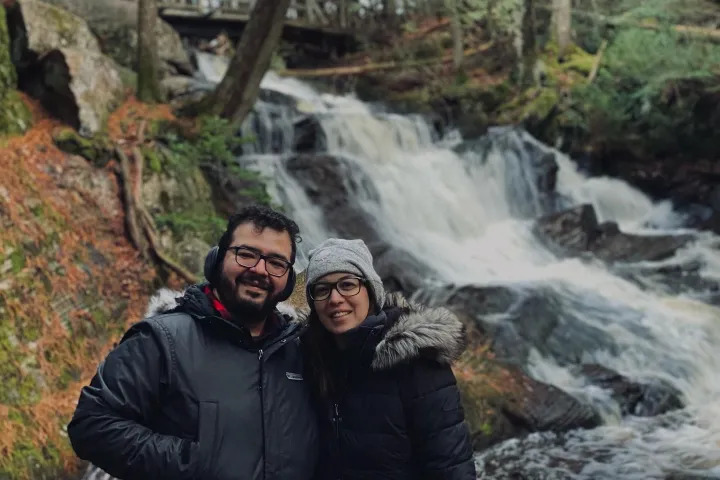
Three of these six falls require a day pass. You should know this before you drive. These are Ragged Falls, High Falls, and Stubb’s Falls, all of which sit inside managed park or conservation areas.
Kiosks usually handle payment on-site, but busy weekends can slow things down or fail entirely. Check Ontario Parks pricing online before heading there.
From midtown Toronto, Bracebridge takes about two hours in light traffic. Bala often takes longer on summer Fridays because Highway 169 backs up near cottage country.
Rocks near waterfalls stay slippery even when they look dry, but people ignore that every season, and then somebody falls.
Quick checklist before leaving:
- Wear trail shoes with grip
- Bring water and bug spray in June
- Check Ontario Parks pass rules online
- Leave Toronto early on weekends
- Expect cooler air near river gorges
Explore the Best Muskoka Waterfalls the Right Way
Nature lovers often rush through Muskoka trying to see too much in one day. Bad idea. These six waterfalls work best when you slow down enough to hear the river, smell wet pine, and notice how different each stop feels from the next.
You do not need all six on one trip. You just need to pick the waterfall that matches the day you actually want.
FAQs
Q1: Which Muskoka waterfall is best for beginners?
Stubb’s Falls is often the easiest choice for beginners. The trail stays fairly gentle, parking is simple, and the river sits close to the path for most of the walk.
Q2: Do you need a pass for Muskoka waterfalls?
Some sites require one. Ragged Falls, High Falls, and Stubb’s Falls all need a park or conservation day pass before entry.
Q3: What is the best season for Muskoka waterfalls?
Late spring gives the strongest water flow because of snowmelt. October works well too if you want fall colours beside the trails.
Q4: Are Muskoka waterfalls good for kids?
Yes, especially Stubb’s Falls and High Falls. Both offer easier trails and shorter walking distances than rougher backcountry routes.
Q5: Can you visit Muskoka waterfalls in winter?
Yes. Stubb’s Falls inside Arrowhead Provincial Park stays popular during winter because snowshoe trails remain open. Frozen river edges create a very different feel from summer visits.