
Best Places to See in Muskoka You’ll Absolutely Love
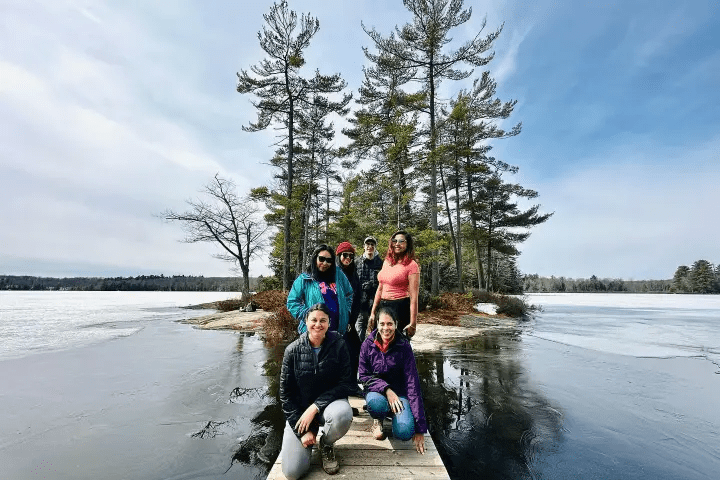
When we’re talking about the best Muskoka places to see, you should expect a mix of lakes, small towns, and a few standout experiences that make the whole trip feel real, not rushed.
Muskoka sits about two hours north of Toronto. It has more lakes than you can count in a weekend. So the real question here is not “Is it worth going?” It is “Where should you actually go once you get there?” That is where most people get stuck.
This guide keeps things simple. It shows you where to go, why each spot matters, and how to plan your time without overthinking it.
Why Muskoka Feels Different (and Why That Matters)
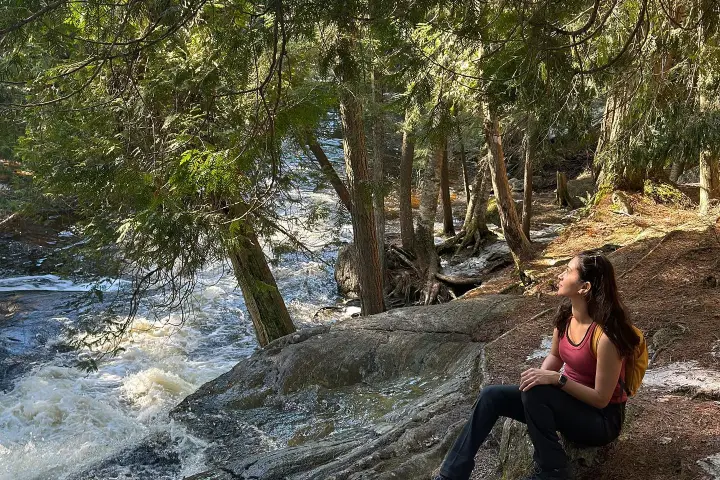
Muskoka isn’t just a destination. It’s the mood. The moment you leave the busy streets of Toronto, the air shifts. It smells like pine and water with roads curving through forests, and lakes suddenly appearing like mirrors between trees.
People often ask, “Is this just another cottage area?” Not quite.
Muskoka stands out because:
- The lakes are vast and interconnected
- The towns have history, not just rentals
- Nature is accessible without needing extreme hiking skills
You don’t need to be an outdoor expert to enjoy it. That’s what makes it so appealing.
The Lakes That Define Muskoka
Three lakes shape most visits here. They look similar on a map but feel very different in real life.
Lake Muskoka is the easiest to access. You can rent a boat, take a cruise, or just sit by the shore. If it is your first visit, start here. It gives you the full Muskoka feel without effort.
Lake Rosseau is quieter and feels more open. If you want a calm afternoon on the water, this is your lake. You’ll find less noise, fewer crowds and a better pace.
Lake Joseph is different. It is known for its large private cottages. You can see it, but access is limited. It’s still worth seeing, but not worth planning your whole day around.
Bracebridge: The Most Practical Stop
Bracebridge is the town that actually works for visitors. Shops, food, and sights are all within reach.
The Bracebridge Falls sits right near downtown. You do not hike for it, you just walk over. That makes it easy to fit into any plan.
Manitoba Street is where you will spend time. You’ll find cafes, bakeries, and small shops lining the road. On Saturdays, the farmers’ market brings local produce and handmade goods. This runs from spring to fall.
If you are travelling with kids, Santa’s Village is a fun stop. It has been around for decades and still draws families.
Best way to use Bracebridge?
- See the falls
- Grab lunch downtown
- Walk the main street
Huckleberry Lookout: Best Muskoka River View
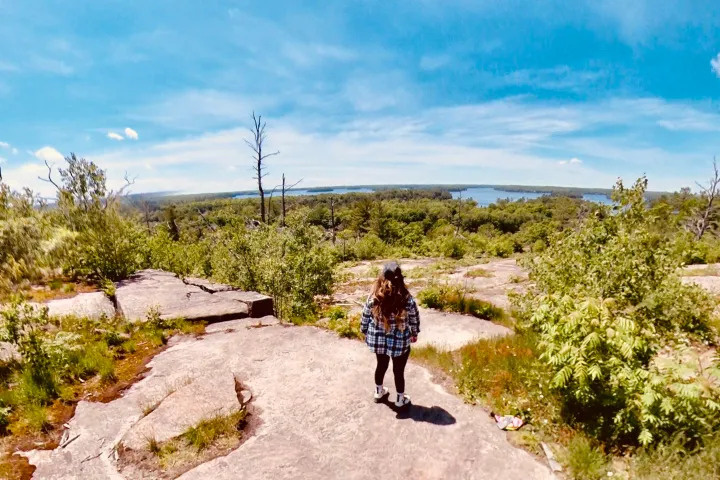
Huckleberry Lookout is one of those spots people miss. It sits just outside Bracebridge, and you need to hike a short, steep distance to reach the spot.
Once you reach the top, everything opens up, and you get a wide view of lakes, forests, and sky. If you are visiting in the fall, this place stands out as the colours spread in every direction. I
If you do not want to plan the route yourself, Toronto Eco Adventures includes this in their guided hikes in Muskoka. They keep the group small, so you get context, not just a viewpoint.
Gravenhurst: Where Your Trip Begins
Gravenhurst is often called the gateway to Muskoka. That is not just a slogan, but a spot where your trip starts to feel real.
The highlight here is the historic steamship experience. The RMS Segwun sails from the Muskoka Wharf and offers a slow, scenic cruise. You sit here quietly, watch the shoreline, and the pace resets.
Nearby, the Muskoka Discovery Centre gives context to the region. Boats, history, and local stories all come together in one place.
If you are planning your day, focus on these:
- Steamship cruise on Lake Muskoka
- Visit to the Discovery Centre
- Short drive toward Torrance Barrens for sunset
Gravenhurst is not where you linger all day, but where you begin.
Torrance Barrens: The Night Sky You Don’t Expect
Every guide mentions Torrance Barrens, but only a few explain how to actually enjoy it.
The Torrance Barrens Dark-Sky Preserve sits about 20 minutes from Gravenhurst. The main viewing area is off Southwood Road. It is easy to reach, but it feels remote.
Go on a weekday if you can because weekends can get busy, especially in summer. Arrive after full dark, and bring a blanket. It gets cold, even in July.
Wondering if it is worth the drive at night? Yes. The sky here feels wider, and the stars show up in layers most people never see.
Remember to avoid late May and early June, as blackflies can ruin the moment fast.
Huntsville: Where You Might Want to Stay
Huntsville feels more complete than other towns. There are more places to stay, and more things to do. Basically, better base overall.
The Group of Seven Outdoor Gallery is a unique experience. Large murals of famous Canadian paintings sit across town. You walk, explore, and connect art to landscape. It takes about an hour.
Nearby, Arrowhead Provincial Park offers trails, lakes, and quiet space. It is close enough for a half-day visit. You will also find good coffee here. The local roastery on Main Street lets you watch the roasting process.
If you are staying overnight, Huntsville gives you options.
High Falls: The Power You Can Feel Up Close
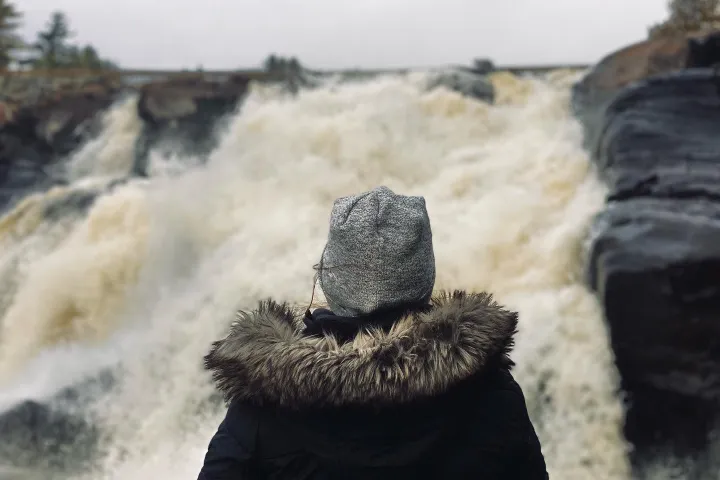
High Falls is not quite like other spots. It is loud, fast, and impossible to ignore.
Located near Bracebridge, it is easy to reach, and you do not need a long hike to see it. The water drops hard over the rock, letting you feel the force before you even see it.
There are short trails around the area. Each gives a slightly different angle of the falls. Spring is the best time to visit, as the water flow is strongest after the snow melts.
While you can explore it on your own, we’d recommend getting a guided tour for more ease. Toronto Eco Adventures runs guided trips here, where they combine it with nearby trails and viewpoints. So you see more without figuring out logistics.
Arrowhead in Winter
If you’re visiting Arrowhead in winter, you must be prepared, as Arrowhead changes in winter. It becomes a place people plan trips around.
The ice skating trail winds through the forest. It’s not a rink, it’s a real path that feels different. Rentals are available on-site, and evening sessions with lights sell out quickly in peak season. So, book early.
But is it worth coming just for this? Yes, if you enjoy winter.
Quiet Towns That Surprise You
Not every great moment in Muskoka happens in big towns.
Port Carling Locks sits between two major lakes. Boats rise and fall through the lock system right in town. It sounds simple, but it is oddly fun to watch.
Johnston’s Cranberry Marsh in Bala offers something different. You walk the trails, see how cranberries grow, and visit the winery. It adds variety to your trip.
Baysville is smaller, quieter, and is known for its butter tarts. This town is worth the detour if you like local food.
If you want a break from busy spots, these towns deliver.
Best Time to Visit Muskoka
Late September is often the best time to visit Muskoka as you experience fewer crowds, strong fall colours, and cooler air.
Summer is popular for a reason, with warm lakes and everything open. But weekends can feel packed.
Spring is quieter with a strong waterfall. But blackflies arrive by late May, which can be annoying.
Finally, winter works if you plan for it and if you want to experience snow, skating, and quiet trails.
What Actually Makes Muskoka Special
Muskoka does not need a long checklist. It works best with a few good choices.
Pick one lake, choose one town to stay in, add one unique experience, and that is enough to feel the place.
You could rush through ten stops. Or slow down and enjoy three. Which one sounds better?
FAQs
Q1: Is Muskoka good for beginners or first-time visitors?
Yes. It is easy to reach and simple to explore. Start with Gravenhurst and Bracebridge.
Q2: Do I need a car to visit Muskoka?
Most of the time, yes. Public transport options are limited. Driving gives flexibility.
Q3: Are guided tours necessary?
Not required, but helpful. Especially for water activities or if you want local insight.
Q4: How many days are enough?
Two to three days is ideal for a balanced trip.
Q5: Is Muskoka expensive?
It can be. But you can manage costs by visiting mid-week and avoiding peak summer weekends.