
Why Algonquin Park Feels Different from Other Parks
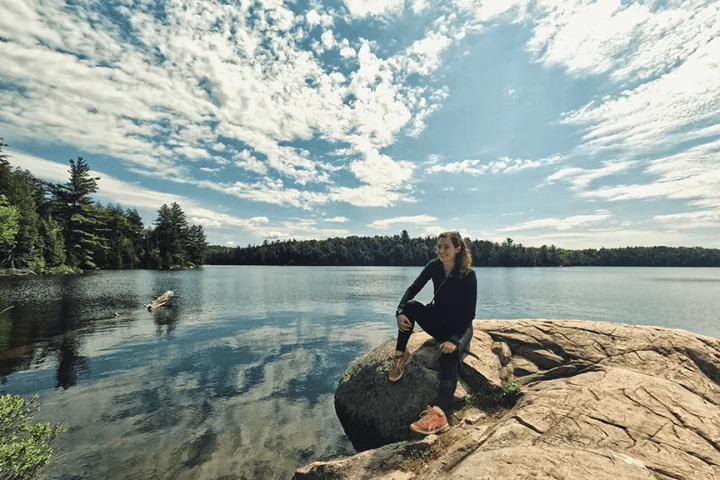
Planning a trip? The things to do in Algonquin Park Ontario truly matter are the ones that connect you to the land, water, and quiet rhythm of the wild, not just a checklist of spots.
Algonquin is not just a park you “visit.” It is a place where you slow down. The forests feel older, the lakes stretch wider than expected, and the silence is not empty. It hums with life.
Many people arrive thinking they will drive, stop, take photos, and leave. But the real value here comes from stepping into the park, not skimming past it.
You might ask, “Is it worth going deep into the park?” Yes. Even a short paddle or guided walk changes everything. The park stops being scenery and becomes something you feel.
Things to Do in Algonquin Park Ontario That Actually Matter
The best activities are simple, but they hit differently when done right. You do not need extreme adventure; you just need the right moments.
1. Canoeing Across Quiet Lakes
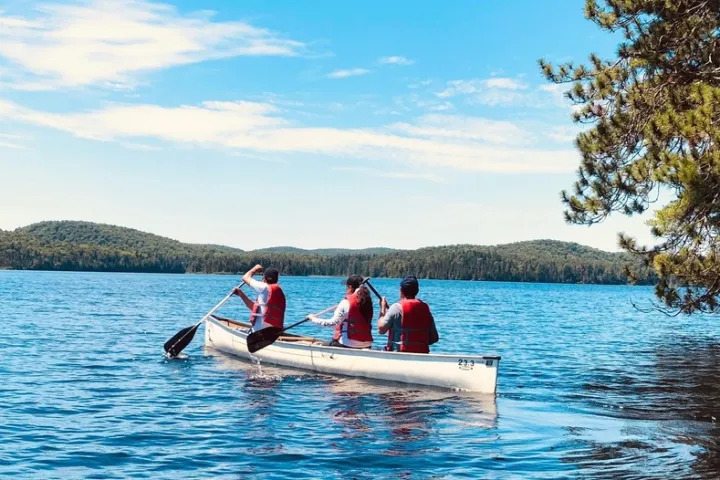
Canoeing is the heartbeat of Algonquin. The park has over 2,000 lakes, which means it has ample space. Gliding across a calm lake early in the morning feels almost unreal. You notice the mist sits low, and the water barely moves. Sometimes, you hear nothing at all.
Many lakes are calm and beginner-friendly. But what actually matters here is timing:
- Early morning gives you calm water
- Late afternoon offers golden light
- Midday can feel busy near access points
Start small with canoeing because here, even one hour on the water changes your trip.
2. Wildlife Watching That Requires Patience
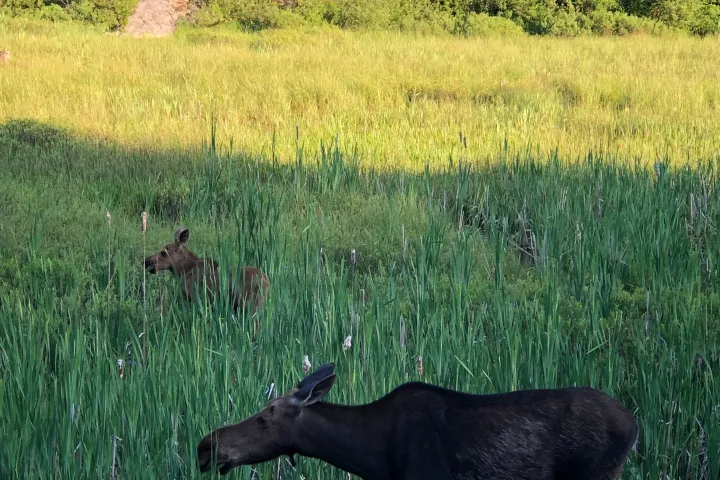
Algonquin is known for moose, deer, foxes, and birds. But this is not a zoo. You will not see animals on demand. That’s the challenge, and the reward.
To have the best wildlife experience, book a search for a moose tour. On this tour, our professional guide Javier takes you through strategic stops to make sure you spot a moose. While we don’t guarantee a moose sighting, we definitely make sure to take you to routes that are unexplored by those who go to the place on their own.
The best spots are:
- Wetlands near Highway 60
- Quiet lake edges at dawn
- Marshy areas with slow water
You might wait, might see nothing, then suddenly, a moose steps into the water. That moment stays with you.
3. Hiking Trails That Feel Personal
The park has trails for every level. Some are short and easy, while others climb ridges with wide views. But here is the thing most guides skip. It is not about the hardest trail. It is about the one that matches your mood.
Popular options include:
- Booth’s Rock Trail for scenic views
- Track and Tower Trail for history and elevation
- Spruce Bog Boardwalk for an easy, peaceful walk
Ask yourself. Do you want effort or ease? Choose based on that, not popularity.
4. Stargazing Without City Glow
At night, Algonquin turns into a different world. You won’t see any city lights or hear any noise. All you’ll see is just the sky.
On clear nights, the stars feel closer, and the Milky Way becomes visible. If you are lucky, you might catch meteor showers.
Bring:
- A blanket
- Warm layers
- A flashlight with a low light mode
Stay patient, and let your eyes adjust slowly. Then the sky opens up.
5. Guided Eco Tours That Add Depth
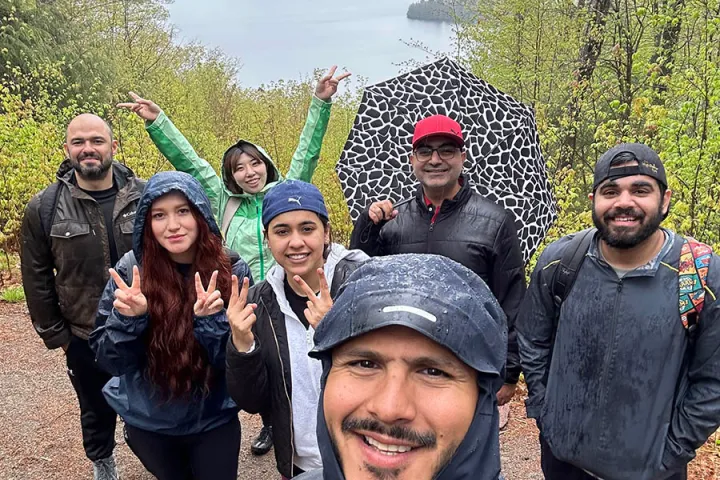
Exploring alone is great, but guided tours often unlock details you would miss.
One standout option comes from Toronto Eco Adventures. Their tours focus on learning, not just seeing.
You can take an Algonquin Park Summer Hiking Tour. This is ideal if you want guidance without pressure. You hike for 5 km to Rock Lake, and if hiking sounds too much, you can switch it up for canoeing for $35 per person. In this tour, beginners feel supported.
If you’re wondering, “Do I really need a guide?” If this is your first visit, yes. It shortens the learning curve and deepens the trip.
When Is the Best Time to Visit Algonquin?
Visiting Algonquin Park is all about the timing. Timing shapes your whole trip, and each season brings a different mood.
Summer (June to August)
During this time, the weather is warm and easily accessible. Perfect for canoeing and swimming. But it can get busy near the main areas. If you want quiet, go early or explore deeper lakes.
Fall (September to October)
This is peak season for a reason. The colours explode during fall like red, orange, and gold. But crowds increase, too. Plan weekdays if possible.
Spring (April to May)
Springtime is when you see fewer people. Wildlife is active during these months, and you’ll see a lot of fresh greenery. However, trails can be muddy, and bugs start to appear in late spring.
Winter (November to March)
The winters are cold and silent, but beautiful. You can try snowshoeing or cross-country skiing. But this requires proper gear and preparation.
Choose based on what you want to feel. Not just what looks good in photos.
Planning Your Trip the Smart Way
Good planning makes a big difference here. The park is large and services are limited in some areas.
Here are key things to think about:
Booking and Permits
- Day passes are required for entry
- Campsites and backcountry spots fill quickly
- Book early, especially for fall
What to Pack
- Layers for changing weather
- Bug spray in warmer months
- Water and snacks
- A map or offline navigation
Getting There
Algonquin is about 3 hours from Toronto, and most people drive. Public transport options are limited, so plan your route ahead.
Is Algonquin Park Good for Beginners?
Yes, but only if you plan right.
This is not a theme park. Therefore, it does not guide you step by step. That can feel overwhelming at first.
Start simple:
- Choose one trail
- Try a short canoe session
- Stay near main access points
Then build from there. If you feel unsure, guided tours help a lot. They remove guesswork and build confidence fast.
Is It Worth the Cost?
Algonquin is not expensive compared to many travel destinations. But value depends on how you use your time.
If you:
- Rush through in a few hours
- Stay near crowded areas
- Skip deeper experiences
You might feel underwhelmed.
But if you:
- Slow down
- Spend time on water or trails
- Learn from the environment
Then yes, it is absolutely worth it. The park rewards effort.
Common Mistakes to Avoid
Many first-time visitors make the same errors. Avoiding them improves your trip instantly.
- Arriving late in the day and missing key experiences
- Underestimating travel time inside the park
- Skipping water activities
- Expecting guaranteed wildlife sightings
- Not checking weather conditions
What Makes This Trip Memorable
It is not the places you’ll go, but it’s the moments in between. The stillness of a lake at sunrise. The sound of wind through trees. The surprise of spotting wildlife. Those are the parts that stay.
That is why choosing the right things to do in Algonquin Park Ontario matters more than doing many things.
Because the goal is not to see more, but also to feel more.
FAQs
Q1: What is the best way to explore Algonquin Park for first-time visitors?
Start with short hikes and a beginner-friendly canoe session. Consider a guided tour for a deeper understanding.
Q2: Do I need a reservation to enter Algonquin Park?
Yes. Day-use permits and camping spots should be booked in advance, especially during peak seasons.
Q3: Can you visit Algonquin Park in one day?
Yes, but it will feel rushed. A full day works best if you focus on one or two activities only.
Q4: Is canoeing in Algonquin safe for beginners?
Yes, on calm lakes and with basic guidance. Guided tours make it easier and safer.
Q5: What wildlife can you see in Algonquin Park?
Moose, deer, foxes, beavers, and many bird species. Sightings depend on timing and patience.