Beginner’s Guide to Camping in Algonquin Park Canada
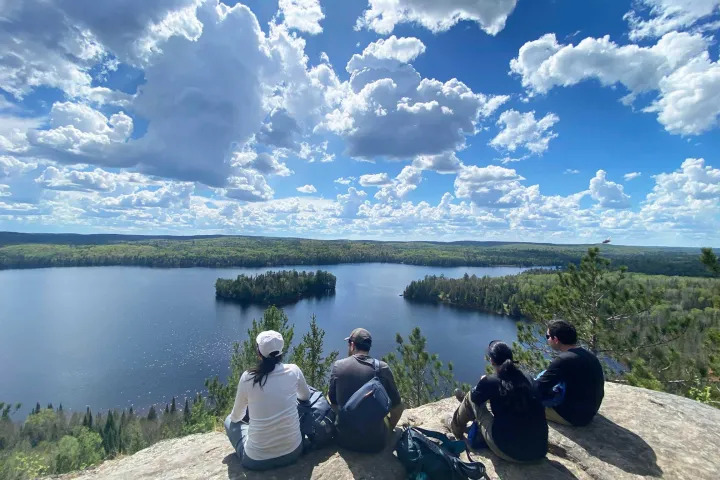
A lot of people picture a quiet lake, a campfire, and maybe a moose walking past at dawn. Some arrive in May without bug spray and what happens after is blackflies and mosquitoes make the entire trip miserable fast. Many people end up stuck inside their tents instead of enjoying the park.
On the other hand, others book deep backcountry routes with no canoe experience. Long portages, heavy gear, and rough weather quickly become overwhelming. In remote areas, small mistakes are much harder to fix.
Camping in Algonquin Provincial Park is easier than many beginners expect. Most first-time campers struggle with the park’s size, not the camping itself. Choosing the right campground makes a big difference. Booking early also helps, especially during summer weekends.
The Highway 60 corridor is the easiest area for beginners. You get drive-in campsites, clean washrooms, hiking trails, beaches, and nearby stores. The experience still feels peaceful and outdoorsy without difficult portage routes or remote backcountry travel.
What to Expect From Camping in Algonquin Park, Canada as a Beginner
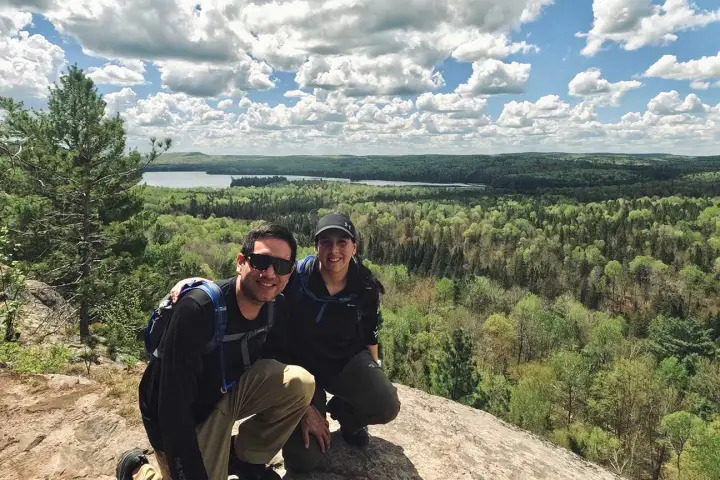
Camping in Algonquin Provincial Park is easier than many people expect. Most beginners stay near the Highway 60 corridor. This area has drive-in campsites, clean washrooms, hiking trails, and nearby stores. Campgrounds like Mew Lake and Pog Lake feel simple to navigate.
The backcountry feels completely different. You carry gear along portage trails between lakes and campsites. Some routes take several hours to finish. Many campsites sit far away from other visitors.
The 3 Types of Camping in Algonquin and Which One Fits You
Most first-timers book the wrong style of camping and only realize it after unloading gear in the rain.
Frontcountry camping works best for almost everyone on a first visit. You park close to your campsite. You can bring extra blankets, coolers, and proper food. If something goes wrong, you are not stranded on a remote lake.
Ready-to-camp options work well for people who want the forest without buying gear first. Some cabins and yurts inside the park already include beds, heaters, and cooking basics. Families love this setup.
Backcountry camping is the dream of most visitors with canoes, portages, and quiet lakes.
- Frontcountry camping: Best for families, couples, and first-timers with a car. Bring a tent, warm layers, and food.
- Ready-to-camp or yurts: Best for people with no gear. Costs more, but stress drops fast.
- Backcountry canoe camping: Best for experienced campers or strong hikers. You need route planning, food storage skills, and lighter gear.
When to Go and the One Month Most Beginners Regret
The answer is not “any time in summer.”
| Time | Conditions | Bugs | Crowds |
| May to mid-June | Cool nights, wet trails | Brutal blackflies | Medium |
| Mid-July to August | Warm lakes, stable weather | Lower | High |
| September | Cool air, early fall colours | Low | Medium |
| October | Cold nights, fewer services | Very low | Low |
The blackfly window catches new campers every year. Late May and early June in Ontario can feel relentless. Head nets, long sleeves, and bug sprays help, but many people still spend the weekend hiding in their tents. If bugs ruin your mood, skip that stretch entirely.
September might be the smartest time for beginners. The lakes stay warm enough for paddling, and nights cool down for sleeping. This is when maple trees begin turning red and orange, and the crowds thin out after Labour Day.
Want the easiest first trip possible? Aim for late July through mid-September, as that window gives you the best odds of good weather, fewer bugs, and open services.
How to Book Your Campsite Before Everything Fills Up
Reservations for Ontario Parks campgrounds open five months before your arrival date. Many Highway 60 campsites disappear within hours once booking windows open, especially on weekends and lakeside spots. If you wait until late spring for an August weekend, your options shrink fast.
Here is the simple booking flow:
- Pick your campground first.
- Choose weekday dates if possible.
- Book exactly five months ahead for summer weekends.
- Reserve immediately after finding an open site.
Choosing the Right Campground for Your First Trip
Most camping guides refuse to recommend a campground directly.
For a first visit, stick to the Highway 60 corridor. The setup feels easier, safer, and less stressful. Mew Lake Campground works well for people who want comfort. It has electrical sites, bike trails, and quick access to the Visitor Centre. Families often pick Pog Lake Campground because the sites feel more wooded and spread out.
Warm weather trip? Two Rivers Campground gives easy beach access and calmer swimming areas. Kids love it in August.
A few campgrounds sound exciting online, but feel rough for beginners. Achray sits far down a gravel road on the east side, while Brent and Kiosk feel remote.
- Mew Lake: Best for first-timers wanting easier services. Avoid it if you want deep privacy.
- Pog Lake: Best for families and shaded campsites. Avoid if you dislike busier summer weekends.
- Two Rivers: Best for swimming and casual camping trips. Avoid during peak holiday weekends.
- Backcountry sites: Best after gaining some camping confidence first.
Wildlife in Algonquin and What Actually Matters
Most bear advice online is written for grizzlies, but Algonquin has black bears, and the response is different.
The odds of seeing a bear are still low. Moose sightings happen more often along Highway 60 during early mornings and dusk. Drivers need to pay attention, as a moose on a dark road can wreck a vehicle instantly.
Food storage matters too. In frontcountry campgrounds, lock food inside your vehicle or use food lockers when available. Backcountry campers use food hangers or barrels away from tents.
The park estimates around 2,000 black bears live in the region, so sloppy campsites attract attention quickly. Most trips go off without any wildlife trouble at all, and clean campsites help a lot.
What to Pack for Your First Algonquin Trip
The weather in Algonquin shifts quickly, even in August. A hot afternoon can turn into cold rain by dinner. New campers often forget that northern Ontario nights cool down fast beside the lakes. Therefore, dry clothes matter more than extra gadgets.
Inexperienced campers usually overpack because they can drive right to the site. But Backcountry campers often do the opposite. They forget how heavy wet gear feels halfway through a portage trail.
Frontcountry essentials
- Rain jacket and warm hoodie
- Headlamp or flashlight
- Tent and sleeping bag
- Bug spray
- Reusable water bottles
- Camp stove or grill tools
Backcountry additions
- Dry bags
- Water filter
- Lightweight food
- Rope and food barrel
- Waterproof map
- Extra socks
Easy Tours That Help First-Time Campers
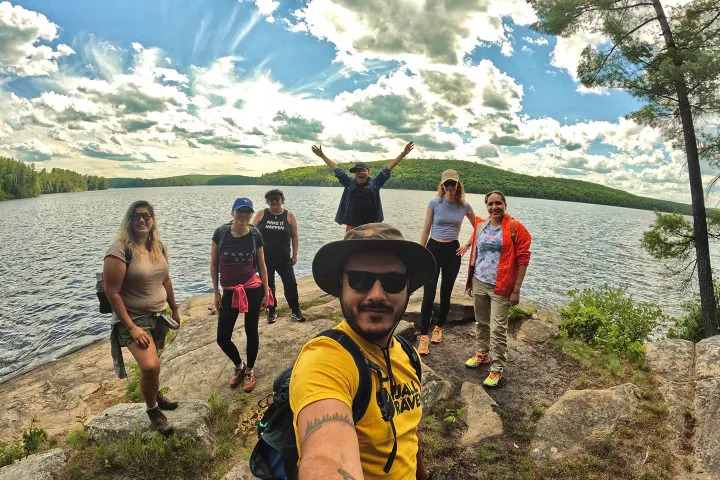
Not everyone wants to plan every detail alone. That is where guided tours help.
Toronto Eco Adventures runs small-group outdoor trips across Ontario, including Algonquin experiences for beginners. Their groups stay small, which keeps the trip relaxed instead of feeling like a packed bus tour.
Two options stand out for new campers and outdoor travellers:
- The Algonquin Park Summer Hiking Adventure works well for people wanting fall colours, guided hiking, and transport from Toronto without planning the route themselves.
- Their Searching for Moose in Algonquin Park tour suits wildlife lovers who want guided stops, local insight, and a lower-stress first park visit.
That kind of support helps nervous beginners settle in quickly.
Rules, Permits, and Leave No Trace Basics
As of 2026, day-use vehicle permits must be booked online before arrival. You cannot simply pull up and pay at the gate anymore.
The basics stay simple:
- Reserve camping permits online before arrival.
- Buy day-use permits ahead of time.
- Pack out all the garbage.
- Never leave food outside overnight.
“Leave No Trace” rules matter here because wildlife gets used to careless campers quickly, and once that starts, the animals usually lose.
Getting There and Moving Around the Park
Most people drive into Algonquin through Highway 60. The west gate sits about three hours from Toronto near Huntsville, while Ottawa visitors usually enter from the east side near Whitney.
Camping in Algonquin Park, Canada, feels far less intimidating once you stop treating it like an expedition. Pick the right campground, book early, and skip blackfly season on your first try. Small choices change the whole trip.
And once you hear loons across the lake at night, the city noise starts feeling very far away.
FAQs
Q1: Is camping in Algonquin Park, Canada, good for beginners?
Camping in Algonquin Provincial Park is easier than most beginners expect. Campgrounds like Mew Lake and Pog Lake offer washrooms, parking, water taps, and trail access while still giving you a true forest camping experience.
Q2: What is the best month to camp in Algonquin Park?
Late July through September is the best camping season for beginners. The weather stays warm and comfortable. Bugs are usually less aggressive during these months. Most park facilities and services also stay fully open. September feels quieter and more relaxed. You also get a chance to see early fall colours.
Q3: How far in advance should you book Algonquin campsites?
Ontario Parks opens campsite reservations five months before your arrival date. Summer weekend spots fill very quickly. Many popular campgrounds book out the same morning reservations open. If you want a July or August weekend site, book as soon as your window starts.
Q4: Do you need a permit to enter Algonquin Park?
Yes. Campers need a camping permit. Day visitors also need a day-use vehicle permit. As of 2026, day permits must be booked online before arriving at Ontario Parks.
Q5: Are guided tours worth booking for Algonquin Park?
For many beginners, yes. Guided tours make the experience much easier. You do not need to plan routes, set up gear, or handle navigation alone. Tours from Toronto Eco Adventures help first-time visitors explore the park with less stress and more confidence.