Powerful Reasons Travellers Choose Cabins Over Camping in Algonquin

A cabin does not pull you away from nature. It lets you enjoy more of it. You still paddle at sunrise, and still hear loons at night. You just skip the part where rainwater sneaks into your tent seams after midnight.
People choose Algonquin National Park cabins because a dry bed, solid walls, and a warm place to rest often save the whole trip. Algonquin weather changes fast, and blackflies can turn a calm hike into a slap-fest by lunch. Also, a soaked sleeping bag in July feels far worse at 2 a.m.
These are just a few reasons why people choose cabins over camping in Algonquin. Let’s learn more about it further in the coming sections.
What Counts as an Algonquin Park Cabin
Not all Algonquin cabins are the same. Most people picture a private lakeside cottage with a dock and hot tub, and then they book a Mew Lake camp cabin and arrive beside rows of RVs near Highway 60.
Camp cabins inside Algonquin Park are simple, roofed shelters with beds, heat, and a small kitchenette. The bathrooms are at the shared comfort station nearby. They work best for families, first-time campers, and anyone who wants a softer landing into park life.
Then there are ranger cabins, which feel far more remote. Some need a portaging or backcountry trail to reach them. Others are drive-in spots with rougher setups and fewer comforts.
You might not find running water or a stocked kitchen. Just a roof, wood heat, and a quiet forest. This is where experienced paddlers often go when tents feel like too much work for a longer route.
Private lodges and rental cabins near the west gate sit outside the park boundary. These range from rustic cabins to upscale lake homes with saunas and hot tubs.
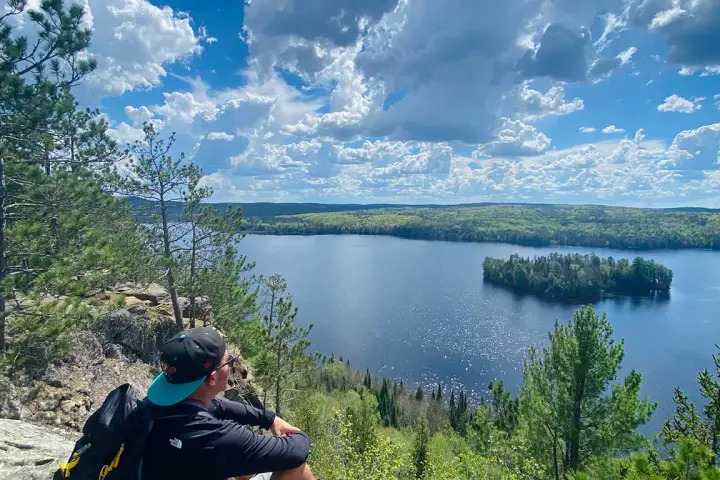
Tour operators like Toronto Eco Adventures also build guided outdoor trips around these stays. Their Centennial Ridges Hike in Algonquin Park is a strong option for people who want local guides without planning every detail alone.
The Real Reasons a Cabin Beats a Tent in Algonquin
A cabin in Algonquin is not about hiding from nature. It just stops nature from wrecking your sleep.
Blackfly season usually hits from mid-May into mid-June, and you may experience bugs near still water and shaded trails. People who know Algonquin well plan around this, or they book cabins with screened spaces and solid walls.
Rain matters too, as Algonquin rain does not drift in softly for twenty minutes. It can hammer campsites for hours. When this happens, kids stop having fun. This is when a cabin gives you a dry reset button.
Peak summer also surprises people. Many imagine deep silence beside the lake during this time, but then they arrive at Lake of Two Rivers campground in late July and hear coolers rolling past at 11 p.m. The Highway 60 corridor gets busy during this time, and cabins create a small barrier between you and campground chaos.
Who Should Actually Book a Cabin (And Who Should Stick to a Tent)
Families with young kids should not overthink this. Camp cabins make sense as small children rarely sleep well in thin nylon tents during loud summer weekends. Add mosquitoes and cold overnight air, and everyone feels wrecked by breakfast. Cabins keep the trip fun longer.
Couples usually split into two camps. Some want rugged canoe routes and no neighbours for miles, while others want coffee by the lake, easy hikes, and wine beside the fire at night. A cabin works beautifully for the second group, especially during the fall colour season.
Solo paddlers and backcountry fans may still prefer tents or ranger cabins. If the whole goal is solitude, a busy campground cabin near parked SUVs misses the point. But ranger cabins sit in a different category. They give older campers or tired paddlers shelter without pulling them out of the wild entirely.
Large groups should think carefully before booking. Some private cabins near the west gate sleep eight or more guests comfortably. That often costs less than several campsites plus gear rentals.
How to Actually Book. And When to Start
Ontario Parks cabins sell out fast. Here is the timeline that matters.
In 2026, Ontario Parks camp cabin reservations open 5 months before your arrival date. For a July 1 stay, that booking window opened February 1 at midnight Eastern. People who know this stay awake and refresh the reservation page right at 12 a.m. Everyone else checks in April and finds nothing left at Mew Lake.
Private cabins outside the park move differently. Many small lodges and cottage rentals open summer dates months ahead through Airbnb, VRBO, or direct property sites.
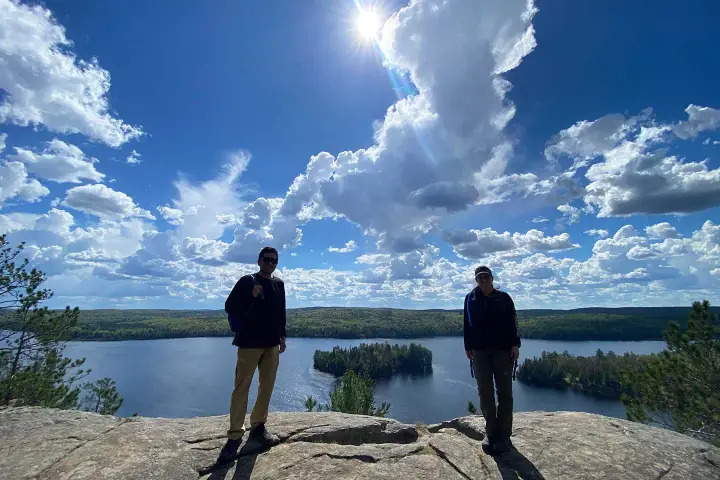
Toronto visitors also book guided trips to avoid the stress. Toronto Eco Adventures runs several Ontario outdoor tours that suit people who want transport, gear help, and local guides without building the whole trip alone.
Before booking, keep these points close:
- Ontario Parks camp cabins and yurts open on the Ontario Parks reservation system 5 months before arrival dates.
- Ranger cabins use the same booking system. Some also need backcountry permits.
- Private lodges near the park often book 3 to 6 months ahead for summer weekends.
- Ontario Parks camp cabins usually require a 2-night stay. Long weekends often require 3 nights.
- Only one Mew Lake camp cabin, site 37, allows dogs.
What to Expect When You Arrive. And What to Bring
The cabin solves the hardest part, but you still need a plan.
Mew Lake camp cabins include mattresses, propane heat, a mini fridge, a microwave, and a few power outlets. But the setup stays basic with no towels, no blankets, and no stocked kitchen drawers. The first night feels rough for people expecting hotel rooms, but the second night usually feels perfect.
Shared bathrooms are also something that people aren’t able to imagine first. The comfort station may sit a short walk away through dark forest paths at night, so bring a flashlight and bug spray too.
Make sure to bring these items with you:
- Bedding or sleeping bags for the vinyl-covered mattresses
- Pots, pans, dishes, and cutlery for cabin meals
- A water jug since drinking water sits at the comfort station
- Bug spray and a headlamp for late-night bathroom walks
- Firewood or cash for on-site bundles
- Rainy-day items like cards, books, or offline games
The Best Time of Year to Book an Algonquin Cabin
Fall is the right answer, but most people learn this too late.
July and August bring warm lake water, long canoe days, and busy campgrounds. Families love this stretch for obvious reasons. Here, kids swim all afternoon, trails stay lively, and canoe rentals run full speed near Canoe Lake and Opeongo. But summer also means bugs, packed parking lots, and harder bookings.
Late September into early October feels different with cooler air, quiet mornings, and fewer mosquitoes. The maples along Highway 60 explode into orange and crimson around the weeks before Thanksgiving. Cabins become gold during this window because nights drop cold fast after sunset, and a heated cabin beside crisp fall air feels nearly perfect.
Winter and early spring work best for committed outdoor people. Snowshoe trails stay peaceful with ice forming thick around quieter lakes, but cold snaps in January hit hard across Algonquin. This is not soft cottage country winter weather, and ranger cabins feel very serious once temperatures drop below minus twenty.
Are Cabins Worth It in Algonquin?
A cabin changes the trip because it protects your energy, not because it adds luxury, but because it gives you comfort when you need it the most.
If summer plans for 2026 still sit open, check the booking calendar now. Camp cabins inside the park disappear really quickly. However, private lodges near the west gate usually hold space longer. But remember that waiting another month may not be the right option.
FAQs
Q1: Are Algonquin Park cabins good for beginners?
Yes. Camp cabins at Mew Lake work very well for first-time visitors. You still get the campfire, lake air, and forest feel without worrying about tent setup in the rain. Families often start here before trying full tent camping later.
Q2: Do Algonquin Park cabins have private bathrooms?
Most do not. Mew Lake camp cabins use shared comfort stations with toilets and hot showers nearby. Private lodges outside the park often include full bathrooms inside the cabin itself.
Q3: Are cabins cheaper than camping in Algonquin?
Not always upfront, but cabins can save money once gear costs pile up. Tents, sleeping pads, tarps, coolers, cooking gear, and wet-weather supplies add up quickly. For couples or groups, a cabin often balances out faster than expected.
Q4: What is the best month for an Algonquin cabin trip?
Late September often feels ideal. The bugs fade, crowds thin out, and fall colours light up the Highway 60 corridor. Days stay cool but pleasant for hiking and canoeing. Nights feel better with cabin heat nearby.
Q5: Do you still feel close to nature in a cabin?
Absolutely. You still wake to loon calls, paddle quiet lakes, and sit around the fire at night. A cabin simply gives you warmth and shelter once the day ends. Small change. Huge comfort.