
Where to Stay in Algonquin Park: Beautiful Areas for Every Type of Traveller
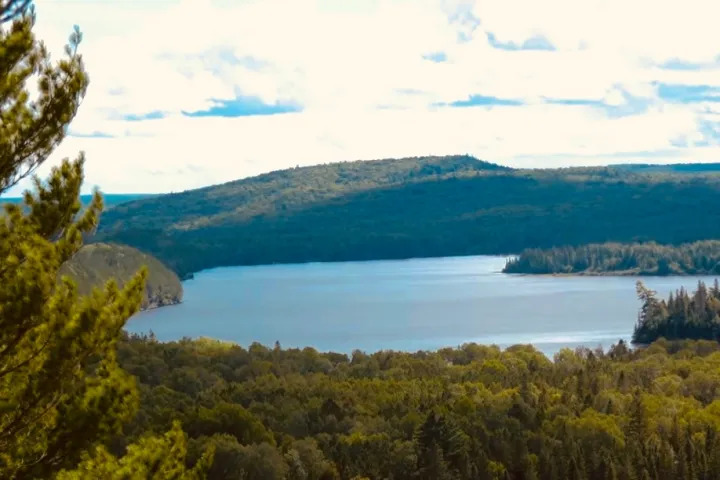
Algonquin Provincial Park covers about 7,600 square kilometres. People picture one entrance and a few trails. Instead, you get long stretches of forest, lakes, winding roads, and several very different base camp options.
If you are wondering about Algonquin Park, where to stay, start with this: the park is huge, and your hotel choice shapes the whole trip. You can stay near the West Gate for easy hiking and first visits, or pick the East Gate for canoe routes and quieter lakes. You can also stay inside the park if you want the full wilderness feel without driving each morning.
How the Park Is Laid Out. And Why It Matters for Your Stay
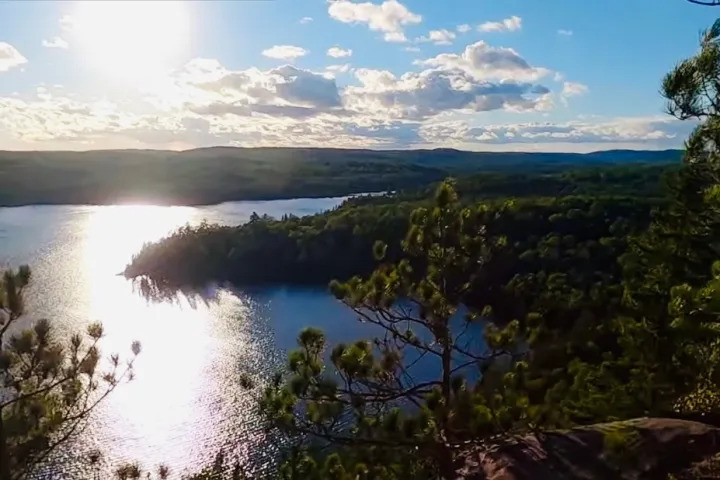
There are really three main zones to think about. These are the Highway 60 corridor, the East Gate side near Whitney, and the quieter South Panhandle area.
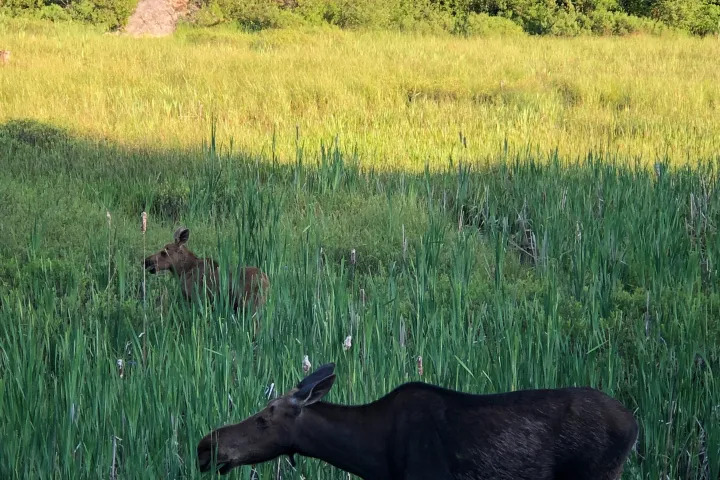
The Highway 60 corridor is where most visitors go. This stretch runs across the middle of the park and holds the Visitor Centre, famous lookout trails, canoe launches, and wildlife pullouts. If you have seen photos of moose beside the road in Algonquin, chances are they came from here. The West Gate side near Dwight and Oxtongue Lake gives the fastest access to those spots.
The East Gate near Whitney feels different with fewer crowds, cafes, and less traffic at sunrise. It also puts you close to Lake Opeongo, the park’s largest lake and a major canoe route hub.
Then there is the South Panhandle. Many guides barely mention it, yet this area near Harcourt and South River gives a softer, slower version of Algonquin. Think horseback trails, forest lodges, and quiet roads instead of packed parking lots. It feels like cottage country mixed with backcountry Ontario.
Staying Inside Algonquin Park: The Three Historic Lodges
Staying inside the park feels completely different from staying nearby. You hear loons at dawn, and mist hangs over the lake before breakfast. You can start paddling before day visitors even reach the gate.
There are three well-known lodges inside the Highway 60 corridor:
- Arowhon Pines: Upscale lakefront lodge with meal plans and canoe access
- Killarney Lodge: Family-run cabins with a quieter, classic Ontario feel
- Bartlett Lodge: Boat-access lodge for people who truly want isolation
Arowhon Pines is the splurge option. The lodge sits deep in the forest on Little Joe Lake and attracts couples, families, and people celebrating something big. Meals are included, which sounds great until you realise you are paying for all three meals every day, whether you leave the property or not. Still, many guests love that setup because there is no planning once you arrive.
Killarney Lodge feels warmer and more old-school. Families return year after year because the cabins sit close to the water and the pace stays calm. There is no loud resort energy here, and no packed pool deck either. Just docks, canoes, and campfire smoke in the evening air.
Bartlett Lodge is the outlier, where you reach it by boat. People who stay here usually want quiet mornings, long days canoeing, and fewer distractions.
The West Gate Area: Dwight, Oxtongue Lake, and the Easiest Access
If you are not sure where to stay, pick the West Gate side.
This area gives the easiest access to Algonquin’s busiest and most famous spots. The Visitor Centre sits nearby, and so do trails like Track Tower and Booth’s Rock. You can leave your room early and hit a trail before the crowds roll in from Toronto. On fall weekends, the West Gate toll booth can back up badly after 9 a.m.
Dwight and Oxtongue Lake work well because they sit close to the park while still giving you basic comforts. You’ll find small inns, cottage rentals, lakeside cabins, and coffee shops. By any chance, if you forget hiking boots, bug spray, or snacks, Huntsville is close enough for a quick supply run.
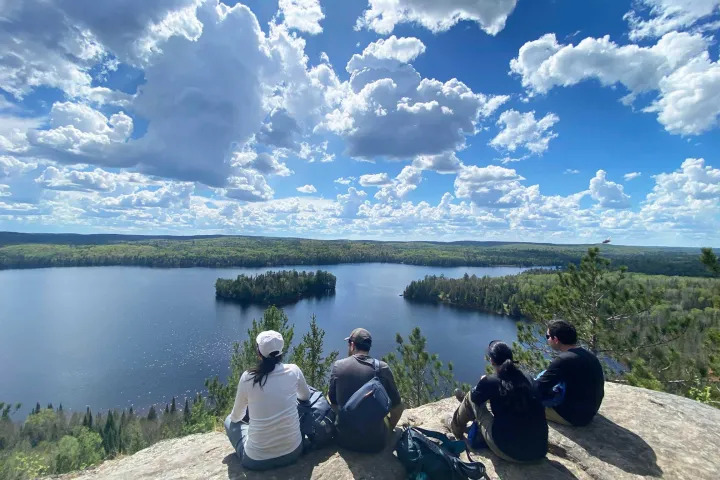
This side also works best for guided day tours. Companies like Toronto Eco Adventures run popular small-group outings into Algonquin from Toronto, including their Algonquin Park Summer Hiking Adventure and spring moose tours. These trips suit visitors who want trails, wildlife, and local insight without planning every detail alone. Some travellers stay near the West Gate after joining a tour so they can explore deeper the next morning.
The East Gate Area: Whitney and the Quieter Side of the Park
The East Gate side does not have the convenience of the West.
Whitney is small, and there are only a few motels, diners, outfitters, and gas stations. If you want nightlife, this is not your stop. But if you want early-morning silence beside a lake launch, things get interesting fast.
Lake Opeongo sits nearby and acts as the gateway to some of Algonquin’s best canoe routes. Paddlers launching multi-day trips often stay in Whitney the night before departure. It saves time and stress in the morning.
Couples also lean toward this side because it feels calmer. Properties around Galeairy Lake and Whitney attract people who want a slower weekend. The roads stay quieter too, which matters during peak fall colours.
Food choices are limited compared with Huntsville or Dwight. So plan ahead, and grab groceries before arriving if you are renting a cabin.
The South Algonquin Panhandle: Off the Beaten Highway 60
Most guides talk about two sides of Algonquin. There is a third.
The south panhandle stretches through areas near Harcourt and South River. You do not get the same Highway 60 crowds here. You also lose some of the classic pullout viewpoints and tourist traffic. In exchange, you get space. Quiet roads. Smaller lakes. Fewer day-trippers.
Places like Algonquin Wilderness Eco-Lodge give the area a different feel from the rest of the park. Think timber lodges, wood smoke, horse trails, and wellness retreats instead of busy canoe launches. Northern Edge Algonquin near South River also draws people looking for yoga weekends, outdoor workshops, and forest escapes rather than standard resort stays.
This side suits repeat visitors best. Someone who has already done the Visitor Centre and the famous lookouts often ends up here later. Why? Because it feels more personal. Less rushed. You notice sounds again. Wind in the trees. Ravens overhead. Paddles hitting water. Small things. Big difference.
Huntsville: The Best Base If You Want Actual Amenities
Huntsville is a proper town with grocery stores, cafes, gear shops, chain hotels, breweries, and even a hospital nearby. Families often choose it because the logistics feel easier. Huntsville absorbs those problems better than small gateway villages.
The downside is the drive. Huntsville sits about 30 minutes from the West Gate under normal conditions. During peak fall colour weekends, traffic on Highway 60 can crawl.
Still, Huntsville works well for longer stays. You can spend one day inside Algonquin, another on nearby lakes, then grab dinner in town afterward. That flexibility matters if not everyone in your group wants dawn hikes and canoe routes every single day.
Cottages and Cabin Rentals: Staying Near the Park on Your Own Schedule
Cabin rentals near Algonquin sound dreamy, but many rentals near Dwight and Oxtongue Lake place you within minutes of the West Gate. Others sit deep in cottage country, almost an hour away. So, always check the actual driving time before booking.
The biggest advantage of a cottage rental is freedom. You cook when you want, paddle when you want, and sit on the dock until midnight if you feel like it. Families and groups often save money this way, too, especially during the summer.
Before booking a cabin rental, confirm these things:
- Time it will take to reach the access point
- If you’ll receive bedding and towels
- If cell service and Wi-Fi are available
- Access for canoe and kayaking on-site
Glamping and Unique Stays in the Algonquin Area
Glamping near Algonquin now includes safari tents, yurts, geodesic domes, and furnished canvas setups with real beds. Some even include wood stoves and outdoor kitchens, and you still hear the forest at night, but you just do not sleep on thin foam pads anymore.
Places around Oxtongue Lake and the wider Muskoka region offer some of the best setups. Four Corners Algonquin became known for safari-style canvas tents on raised wooden platforms, while other spots mix yurts with lakeside access and shared fire pits. It feels outdoorsy without the gear headache.
This style works well for first-timers who want nature without fully committing to rough camping.
When to Book. And How Far in Advance
For the fall foliage season, book at least six months ahead.
The Canadian Thanksgiving weekend is the busiest stretch of the year around Algonquin. West Gate hotels, cabins, and lodges often fill by May. Summer weekends also book fast, especially lakeside cottages.
| Season | Booking Window | Notes |
| Fall colours | 4-6 months ahead | October weekends fill first |
| Summer | 2-3 months ahead | Lakeside cabins go early |
| Winter | 2-4 weeks ahead | More flexibility |
| Spring | 1-2 months ahead | Moose season boosts demand |
Final Thoughts
Camping in Algonquin Provincial Park feels easier than many beginners expect. Most first-time campers stay near the Highway 60 corridor. This area has drive-in campsites, clean washrooms, hiking trails, and nearby stores. Campgrounds like Mew Lake and Pog Lake are beginner-friendly.
The backcountry is much more demanding. You carry gear between lakes on portage trails. Some routes take hours to complete. Campsites can feel remote and isolated.
FAQs
Q1: What is the best area for first-time visitors to stay in Algonquin Park?
The West Gate area near Dwight and Oxtongue Lake works best for most first visits. You stay close to famous trails, the Visitor Centre, and major wildlife viewing spots.
Q2: Is staying inside Algonquin Park worth the money?
For many visitors, yes. Staying inside the park means less driving, more wildlife, and quieter mornings. But lodge stays cost more and often include mandatory meal plans.
Q3: Which side of Algonquin Park is quieter?
The East Gate near Whitney usually feels quieter than the West Gate. It attracts more paddlers and fewer day-trippers.
Q4: How far ahead should you book Algonquin accommodation?
Book fall weekends at least four to six months ahead. Summer weekends often need two to three months’ notice as well.
Q5: Can you visit Algonquin Park without camping?
Absolutely. Many people stay in lodges, inns, cabins, resorts, and glamping sites nearby instead of camping.