
9 Must-See Crawford Lake Conservation Area Ontario Attractions for an Exciting Day Trip
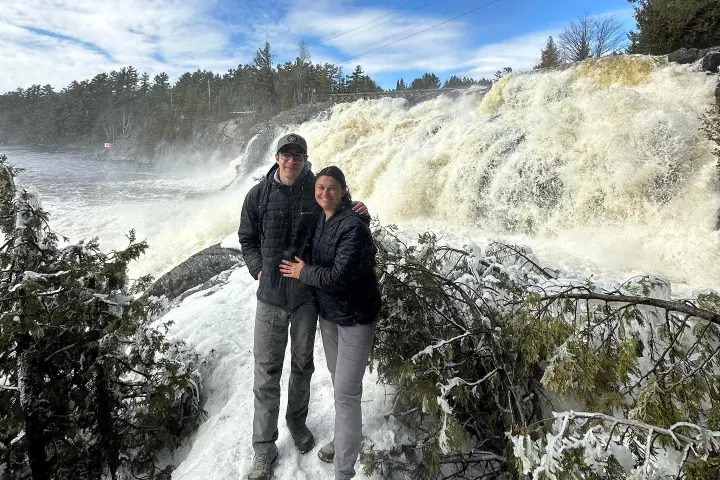
Crawford Lake Conservation Area Ontario is an ideal day trip for easy hikes, rare lake views, Indigenous history, wildlife, and scenic Niagara Escarpment trails. Located near Milton, it offers enough variety for families, couples, and keen hikers. You can spend two relaxed hours here or turn your visit into a full-day trek.
The park’s mix of nature and culture makes it stand out. One minute, you are beside a calm woodland lake. Soon after, you may be exploring a reconstructed longhouse or looking across a deep, green valley. It feels far from Toronto, though the drive is usually manageable.
Why Visit Crawford Lake Conservation Area Ontario?
The biggest reason to visit is its range. You do not need to choose between hiking, history, and a quiet family walk. All three fit into one day.
It is also an easy place for first-time hikers. Several trails are short, and you can adjust your route as you go. If your legs feel fresh, add an Escarpment trail. If the kids are losing steam, focus on the cultural sites and shorter forest paths.
Before leaving home, decide what kind of day you want:
- Easy family outing: Longhouse Village, Three Sisters Garden, and Hide and Seek Trail
- Nature and history day: Lake area, village, garden, and Woodland Trail
- Active hiking day: Escarpment Trail, Pine Ridge Trail, or Nassagaweya Canyon Trail
- Photography visit: Lake views, wooden carvings, forest paths, and fall colours
The park is best enjoyed at a slow pace. Trying to tick every box can make a peaceful place feel like a race.
1. See the Rare Meromictic Crawford Lake
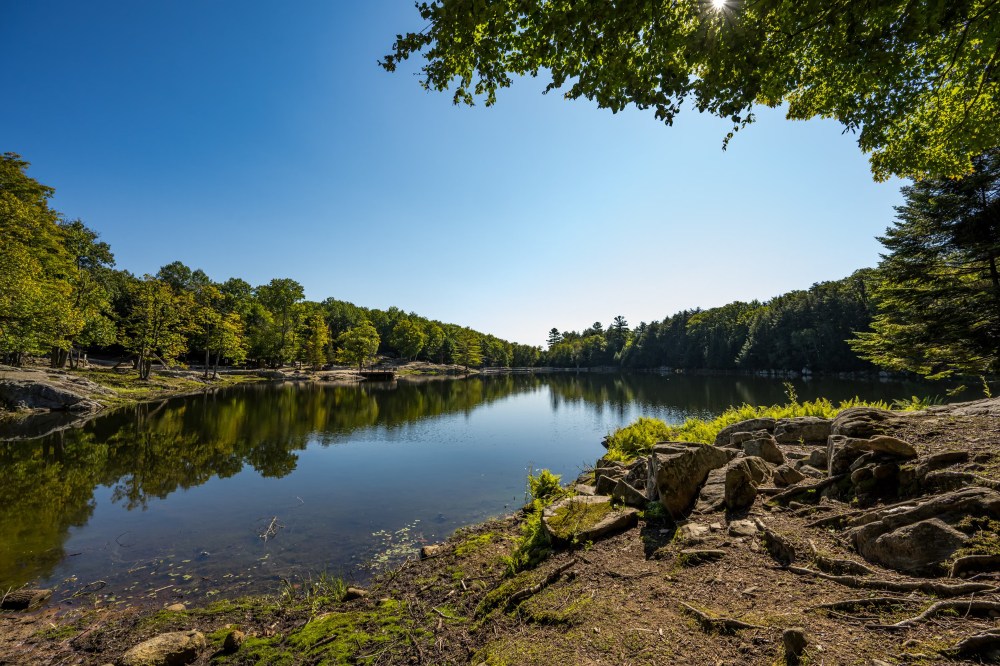
Crawford Lake is not a typical Ontario lake. It is meromictic, which means its upper and lower water layers rarely mix. The deep, low-oxygen water preserves layers of sediment like pages in a book.
Those layers have helped researchers study changes in the local land and climate. They also preserve signs of farming by Indigenous communities that lived near the lake centuries ago. In that sense, this small lake holds an unusually detailed record of the past.
The water can look dark and still, even on a bright day. Make sure to pause for a while rather than rushing past it. The quiet mood is part of the appeal, and turtles or birds may reward those who wait.
2. Walk the Crawford Lake Boardwalk When It Reopens
The elevated boardwalk normally wraps around the lake and offers one of its easiest walks. It has been popular with families because the route is short, scenic, and less demanding than the forest trails. Interpretive signs also help explain why the lake is so rare.
Yet this attraction requires a little planning right now. As of August 2026, reconstruction may still affect access. Check Conservation Halton’s park updates before your trip rather than trusting an old map or blog post.
3. Explore the Reconstructed Longhouse Village
The Longhouse Village is one of the most meaningful attractions at Crawford Lake Conservation Area Ontario. Three longhouses have been reconstructed on the original footprint of a 15th-century village. Exhibits and programs explore the lives of the people who once lived and farmed here.
Treat the site as a place for learning, not a themed photo set. Read the signs, listen during live programs, and give cultural spaces proper care.
4. Visit the Three Sisters Garden
Behind the Longhouse Village, the Three Sisters Garden shows how corn, beans, and squash can grow together. Corn gives beans a structure to climb. Beans support the soil, while broad squash leaves help shade the ground.
The garden connects plants, food, and Indigenous knowledge in a clear way. It also reminds visitors that the land was managed and farmed long before modern settlement. The space was developed to support learning about Indigenous agriculture and foodways. Visit during the growing months for the fullest view.
5. Find the Carvings on Hide and Seek Trail
Hide and Seek Trail turns a forest walk into a small scavenger hunt. Large chainsaw carvings of Ontario wildlife appear along the route. Many represent species at risk, adding a gentle lesson to the fun.
This trail works well for young children or anyone who finds regular hikes dull. Instead of asking, “How much farther?” walkers start asking, “What will we find next?” That is a fine trade on any family outing.
6. Take an Easy Walk on Woodland Trail
Woodland Trail is a good choice when you want more than a short attraction but less than a hard trek. The roughly 1.5-kilometre route moves through mature forest and usually takes about 45 minutes. It offers a calm change from the busy village area.
The trail is especially lovely in spring and fall. Spring brings fresh leaves and damp earth, while autumn covers the ground with crisp colour. After rain, exposed roots and mud may make parts slippery. Therefore, wear shoes with grip, watch your footing, and allow more time if hiking with small children.
7. Hike Pine Ridge Trail
Pine Ridge Trail provides a longer forest walk without demanding a full-day effort. The route is about 3.6 kilometres and often takes around 90 minutes. It suits active families, couples, and newer hikers who want a modest challenge.
The trail feels more remote than the main visitor area. Forest sounds become clearer, crowds thin out, and the trip starts to feel like a proper escape. Pack water even when the weather seems cool.
8. Enjoy the Escarpment Trail and Lookouts
The Escarpment Trail is one of the best choices for broader views. The roughly 2.4-kilometre route passes through Niagara Escarpment terrain and leads toward scenic lookout areas. Some sections feel rougher than the easy paths near the lake.
This route explains why sturdy shoes matter. Rocks, roots, and wet leaves can turn a simple step into an unwanted dance move. Walk with care near slopes and keep children close at lookouts. Fall offers bold colour, but it also brings busy weekends. Arrive near opening time if you want quiet trails and uncluttered photos.
9. Challenge Yourself on Nassagaweya Canyon Trail
Experienced walkers can follow the Nassagaweya Canyon Trail toward Rattlesnake Point Conservation Area. This is a point-to-point route rather than a simple loop. A return hike can take several hours and requires much more energy than the park’s short trails.
The trail passes through the Niagara Escarpment landscape and connects two conservation areas. Distance figures can vary between current maps and older guides, so use the latest official trail map. Never rely on a vague screenshot saved months ago.
Make It Part of a Bigger Ontario Adventure
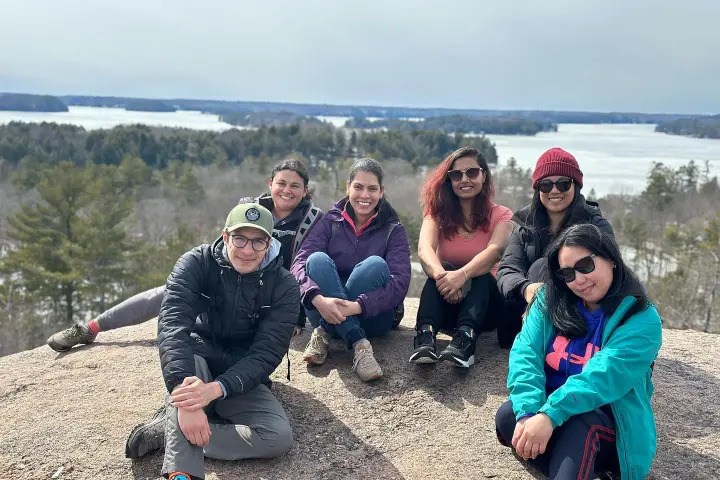
Crawford Lake is easy to visit on your own, but some travellers want guided trips where driving and route planning are handled for them. Toronto Eco Adventures offers small-group outdoor day trips from Toronto, with groups capped at seven people and transport in a minivan. Its current trips cover several nature areas across Ontario.
For another Niagara Escarpment experience, consider its Niagara Falls Adventure Tour. The trip includes Niagara Falls and three hidden waterfalls. It suits visitors who like water views but want more than a standard stop at the main falls.
The Muskoka Ultimate Adventure offers a different type of landscape. It focuses on one of Ontario’s best-known cottage regions and gives keen photographers many chances to capture lakes, rock, and forest. These are separate tours but both suit travellers who want to explore more of Ontario after their Milton day trip.
Practical Tips for a Smooth Visit
A little planning keeps small problems from eating up the day. Park hours, fees, reservations, programs, and closures can change by season. Review the official page on the morning of your trip.
Pack these basics:
- Refillable water bottle
- Closed-toe shoes with firm grip
- Bug spray in late spring and summer
- Sunscreen and a hat
- Light rain layer
- Snacks or a simple packed lunch
- Downloaded trail map
- Camera or binoculars
- Extra socks during wet months
Reservations are recommended, even when they are not mandatory as weekend parking can fill quickly during fall colour season. Dogs should remain leashed, and visitors should leave plants, rocks, and cultural materials where they find them.
Final Thoughts
Crawford Lake Conservation Area Ontario is a great option for your group if they have mixed interests or hiking skill. This is because only a few nearby parks combine a rare lake, Indigenous cultural learning, woodland art, and Escarpment trails so neatly. You can shape the day around young children, first-time hikers, or people seeking a tougher route.
The place proves that a memorable trip does not need a long drive or a packed schedule. Sometimes the best day begins with an old forest, a quiet lake, and enough time to notice both.
FAQs
Q1: How long should you spend at Crawford Lake Conservation Area Ontario?
Allow three to four hours for the lake area, Longhouse Village, garden, and a short trail. A longer hike may turn the visit into a full-day trip. Your final timing will also depend on boardwalk access and seasonal programs.
Q2: Is Crawford Lake suitable for children?
Yes. The Longhouse Village, Three Sisters Garden, and animal carvings make it engaging for children. Choose shorter paths and bring snacks, water, and suitable shoes.
Q3: Can you swim in Crawford Lake?
No. Crawford Lake is protected for its rare natural and scientific value. Plan to enjoy it from designated trails and viewing areas rather than entering the water.
Q4: Do you need to reserve admission?
Reservations may not always be required, but they are recommended. Booking ahead is wise on weekends, holidays, and during peak fall colours.
Q5: What is the best time to visit Crawford Lake?
Late spring and early fall offer mild hiking weather. Fall has the brightest colours but larger crowds. Winter can be peaceful, though snow and ice require proper footwear and current trail checks.