
4 Amazing Rattlesnake Point Trail Routes for a Breathtaking Ontario Hiking Adventure
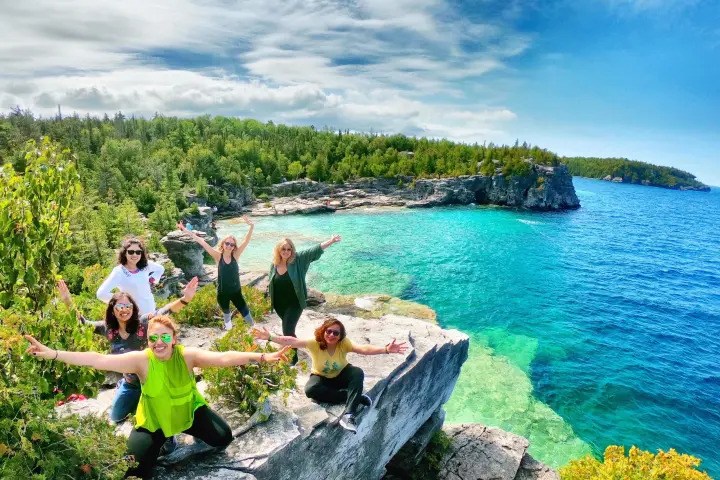
Located near Milton, the park offers a quick escape from Toronto. You get deep woods, limestone cliffs, wide valley views, and fresh air. Yet you do not need to drive north for hours.
The best Rattlesnake Point trail depends on your time and fitness. Beginners can choose Rabbit Run or Vista Adventure. Keen hikers may prefer Buffalo Crag or the longer Nassagaweya Canyon route.
The four routes range from a short one-kilometre walk to a demanding park-to-park hike. This range makes the area useful for families, new hikers, and seasoned walkers. You can enjoy a calm hour outdoors or turn the visit into a full-day trek.
Why Hike at Rattlesnake Point Conservation Area?
Rattlesnake Conservation Area sits along the Niagara Escarpment. Its trails pass old cedar trees, rocky gaps, and scenic cliff edges. Several paths also share sections with the Bruce Trail.
The views are the main draw, but the landscape adds depth. Moss covers old rocks beside the path. Turkey vultures may glide above the cliffs. In autumn, the valley turns red, gold, and orange. The park is also close enough for a day trip. It is around a 45-minute drive from Toronto when traffic is light. As any GTA driver knows, though, “when traffic is light” does a lot of work in that sentence.
Reservations are not always required, but Conservation Halton recommends them. A reservation can save stress on busy fall weekends. Always check current hours, fees, closures, and trail notices before leaving home on the official Rattlesnake Point page.
1. Rabbit Run: The Best Short Rattlesnake Point Trail
Rabbit Run is a good choice when time is tight. The route is about one kilometre and stays within the wooded part of the park. It suits families, casual walkers, and anyone testing new hiking shoes.
This route is not built around grand cliff views. Its charm comes from the quiet forest setting. You can slow down, watch for birds, and let young hikers set the pace.
Is this hike okay for beginners? Yes, in normal dry conditions. Still, “easy” does not mean paved or free from roots. A child who walks well in a city park may need more time here. The route is also useful on a busy day. Many visitors rush towards the famous lookouts. Rabbit Run can feel much calmer, which is sometimes the best view of all.
2. Vista Adventure: The Best Route for First-Time Visitors
Vista Adventure is the classic first visit. The loop is about 1.5 kilometres and provides access to several lookouts. You get a strong taste of the park without committing to a long trek.
The route passes forest, rock, and sections near the escarpment edge. Depending on your exact path, you may reach views near Pinnacle, Nelson, Trafalgar, or Nassagaweya Canyon lookouts. Some side paths are rougher than the main route.
This Rattlesnake Point trail looks simple on paper. Yet wet leaves, rocks, and tree roots can slow your pace. Give yourself about one hour so you can stop safely for photos. The lookouts deserve care. So, stay behind barriers and keep children close.
Early morning often feels best here as the air is cool, the paths are quieter, and the light across the valley is soft. On a fall weekend, arriving early also saves you from the usual lookout shuffle.
3. Buffalo Crag: The Best Balanced Hiking Route
Buffalo Crag offers a fine middle ground. At roughly three kilometres, it feels like a proper hike without taking the whole day. It follows the escarpment and leads towards broad views over Nassagaweya Canyon.
The route begins near the lower parking area and passes through wooded land. Parts may overlap with other marked paths, including Bruce Trail side routes. Watch the trail markers instead of following the person ahead.
Why choose Buffalo Crag over Vista Adventure? It often gives you more time in the woods and a stronger sense of distance. You still reach scenic views, but the walk feels less like a quick lookout visit.
The ground can become muddy after rain, and waterproof hikers with a firm grip help more than trendy white trainers. Pack an extra pair of socks in the car, since Ontario mud has a gift for finding ankles. In snow or ice, the difficulty rises fast for which traction aids may be needed when allowed and suited to conditions.
4. Nassagaweya Canyon: The Best Full-Day Challenge
The Nassagaweya Canyon route links Rattlesnake Point with Crawford Lake. It is the serious option on this list. The full return hike can take roughly four to five hours, according to Conservation Halton.
Published distances vary because hikers count different trailheads and connections. Treat it as a long out-and-back journey, not a casual loop. Confirm the latest map and total distance before you start.
But will altitude be a problem here? No. This is southern Ontario, not a high mountain trek. The real challenge comes from distance, changing ground, roots, rocks, and the need to walk back. This is where people make a common error. Reaching Crawford Lake feels like finishing the hike, but it is only the halfway point unless another ride awaits. Turn around before your energy, daylight, or water drops too low.
Is Rattlesnake Point Trail Good for Beginners?
Yes, Rabbit Run and Vista Adventure are suitable starting points for many beginners. Buffalo Crag can be the next step once you feel comfortable on uneven ground. Nassagaweya Canyon needs more fitness and planning.
A beginner should start small rather than chase the longest route. The best first hike leaves you keen for another one. Sore knees, soaked shoes, and a dark walk back rarely build a love of nature.
Before leaving the parking area, ask three simple questions:
- How much daylight remains?
- Does everyone have water and suitable footwear?
- What is the group’s turnaround time?
These checks may sound basic. Yet they prevent most poor trail decisions. The weather near the escarpment can also feel cooler and windier than downtown Toronto.
How to Plan a Safe and Comfortable Visit
Spring brings fresh green growth, but it also brings mud. Summer offers long daylight and warm walks. Autumn has the boldest colour, while winter creates clear views through bare trees.
Each season changes the same Rattlesnake Point trail. That is part of its appeal. It is also why old trip reports should not replace current park updates.
Use these practical tips:
- Reserve your visit before a busy weekend.
- Download or photograph the trail map.
- Wear shoes with good grip.
- Keep dogs leashed and clean up after them.
- Stay on marked paths.
- Keep food and waste in your pack.
- Avoid cliff edges during wind, rain, or ice.
- Leave enough daylight for the return walk.
There are washrooms and picnic areas in the park, but services may vary by season. Bring what you need rather than counting on every facility being open.
Extend Your Ontario Hiking Experience
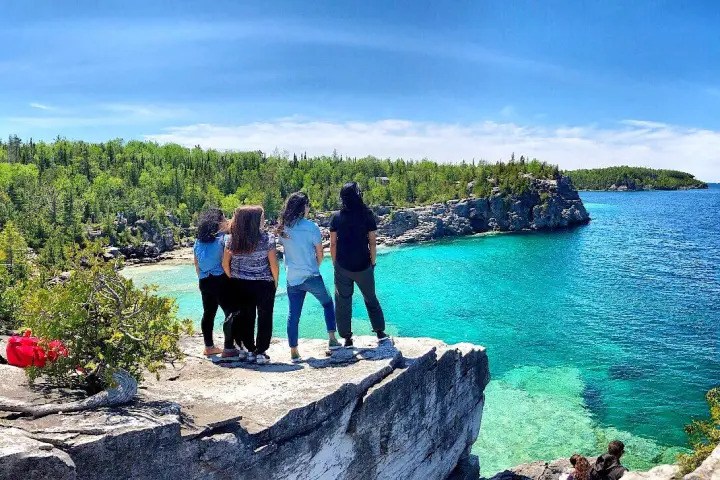
Rattlesnake Point makes a fine self-guided day near Toronto. But once its cliffs spark your interest, Ontario has much larger landscapes to explore. That is where a guided tour can remove the work from planning.
Toronto Eco Adventures runs small-group trips with a maximum of seven guests and transport in a minivan. Its Summertime Bruce Peninsula Road Trip includes transport, park admission, and guided hiking towards the Grotto. It suits hikers who want dramatic cliffs and clear Georgian Bay water without managing the drive.
The company also offers an Algonquin Park Summer Hiking Adventure. This trip combines hiking, swimming, and lookout stops. It is a natural next choice if you enjoy the woods at Rattlesnake Point but want a fuller taste of Ontario’s wild side.
Are guided trips worth the money? They can be when transport is the main hurdle. They also help solo travellers join a small group. Check the live tour page for current prices, dates, age limits, and booking terms.
Choose the Route That Fits Your Day
For a short family walk, choose Rabbit Run, and for the best first visit, take Vista Adventure. Buffalo Crag offers the strongest mix of distance and scenery, while Nassagaweya Canyon rewards hikers ready for a long day.
There is no prize for picking the hardest Rattlesnake Point trail. The right route is the one that matches your group, weather, and available daylight. Walk within your limits, pause at the views, and leave the park as clean as you found it.
FAQs
Q1: How long does it take to hike Rattlesnake Point?
A short route may take 30 to 60 minutes. Buffalo Crag can take about 90 minutes at a relaxed pace. The return hike between Rattlesnake Point and Crawford Lake may take four to five hours.
Q2: Are dogs allowed at Rattlesnake Point Conservation Area?
Dogs are generally welcome but must follow park rules. Keep your dog leashed, carry waste bags, and avoid crowded cliff edges.
Q3: Is the park safe for children?
Shorter trails can suit active children with close adult care. Roots, loose rocks, and steep cliff areas require attention. Keep children within arm’s reach near every lookout.
Q4: What should I wear for the hike?
Wear closed-toe shoes with a strong grip. Add light layers, a rain shell, and sun protection. In winter, check whether trail traction aids are needed.
Q5: When is the best time to visit?
Late spring through autumn offers the easiest conditions. Fall brings bright colours but larger crowds. Winter is peaceful, though ice and snow can make each route harder.