
What Are the Best Hiking Near Toronto Options?
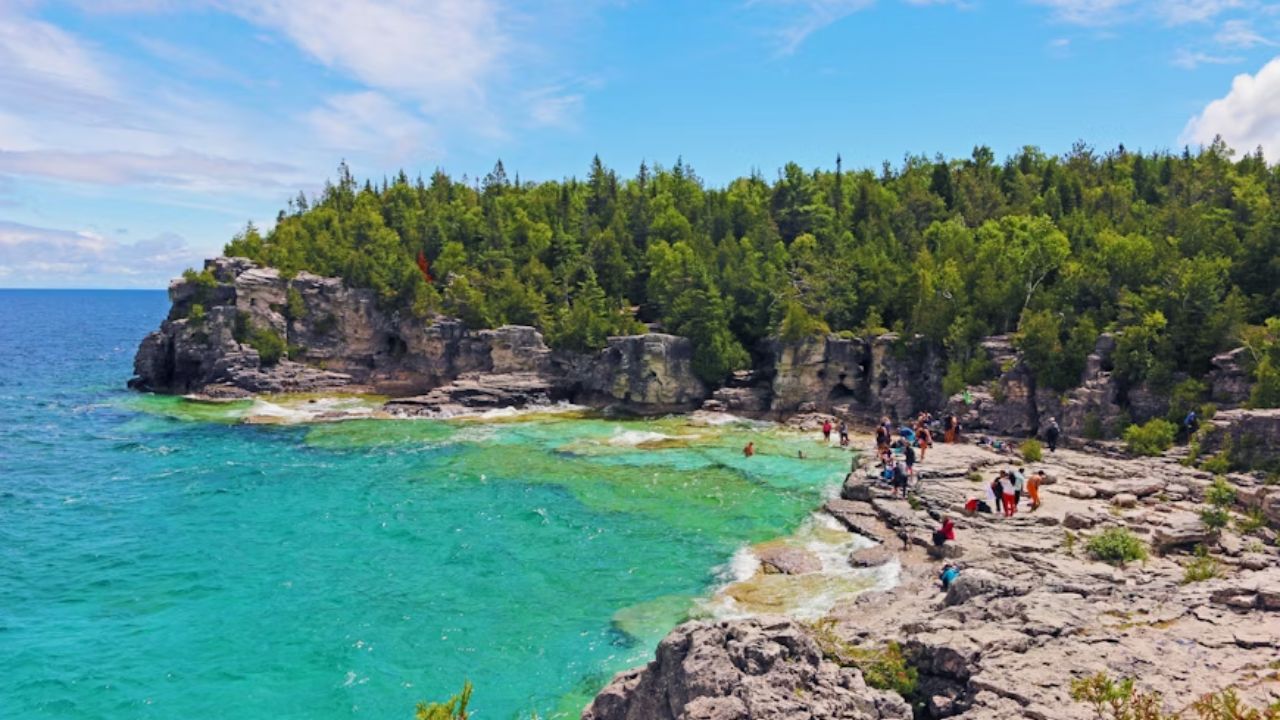
Picture this: stuck in Toronto traffic, dreaming of somewhere quiet where the water is so clear it looks fake. Then suddenly, those dramatic cliffs rise up against beautiful Georgian Bay. That’s the magic pulling more and more folks toward the Bruce Peninsula these days.
Bruce Peninsula feels like another world entirely, but it isn’t too far. And the best part? Guided tours can handle everything, from pickup in the city to dropping back at the end of the day. No stress over directions or parking headaches.
People love these escapes because hiking near Toronto doesn’t have to mean crowded urban paths or short ravines. Here, trails lead to real wilderness: ancient cedars twisting in the wind, rare flowers popping up in cracks, and those turquoise waves crashing below.
It’s rejuvenating in a way city breaks rarely are. Sure, driving yourself works, but with guided transport, the trip turns relaxing right from the start. Chat with others in the van, snooze if needed, and arrive fresh.
The Cliffs Nobody Tells You About
The Bruce Peninsula isn’t some hidden gem that only twelve people know about. It’s popular. Sometimes too popular. But here’s what travel blogs won’t tell you: most visitors see about 10% of what’s actually there.
They fight for parking. They hit the Grotto. Take their photos. Leave.
The real magic sits on trails where you walk along cliff edges for hours. Where limestone formations tell stories from when this whole area sat under ancient seas. Where you can find spots without another human in sight, even on summer weekends.
The rock itself is over 400 million years old. Dolostone and limestone, layered like a cake that took geological ages to bake. Georgian Bay has been working on it ever since, carving caves and overhangs and these dramatic drop-offs that make your stomach flip when you peek over the edge.
For anyone actually searching for decent hiking near Toronto, this is the top-shelf stuff. Not your average conservation area walk. This is the kind of terrain that makes you feel something.
Top Guided Tour Options
This is where the real value shines; picking the right tour turns a good day into an unforgettable one. With so many ways to experience hiking near Toronto via the peninsula’s cliffs, these standouts cover different vibes, but we’ll zero in on Toronto EcoAdventures first since they nail the eco-focused, intimate approach. Drawing from their latest offerings on sites like GetYourGuide and TripAdvisor, plus direct site details, they’ve got seasonal twists that keep things aligned with nature’s rhythm.
Toronto EcoAdventures – Eco-Driven and Personal

Hands down, Toronto EcoAdventures leads for those wanting a thoughtful escape. Our Bruce Peninsula Guided Hiking Day Trip (often called the Summertime Bruce Peninsula Road Trip in summer) is a 13-hour outing priced at $150 per person for ages 13 and up. It’s designed for small groups of up to 6, emphasising low-impact exploration between Georgian Bay and Lake Huron.
The itinerary starts with pickup at Christie Subway Station around 7:15-7:45 a.m., sometimes with a Yorkdale Mall stop at 7:30 a.m. a 2.5-hour van ride to Inglis Falls will lead you to 30 minutes of sightseeing at the waterfall.
Then, head to Bruce Peninsula National Park, arriving around 11:15 a.m. to noon, for guided hikes to the Grotto, Indian Head Cove, and other features like ancient cedars and crystal-clear swims. Spend about 4 hours there hiking, sightseeing, and relaxing; perfect for a packed lunch by the views. On the return, optional stops include Champ Burger for dinner (not included), and arriving back to Toronto by evening.
Inclusions cover round-trip minivan transport, park fees for Bruce Peninsula and Inglis Falls, and a certified guide trained in Wilderness Advanced First Aid; who are praised for photos, videos, and making non-swimmers comfortable in caves.
Exclusions: food, drinks, gratuities.
Bring closed-toe shoes, swimsuit, towel, sunscreen, bug spray, snacks, and water; check weather ahead.
Not for: pregnant folks, mobility issues, or under 13; moderate fitness needed, runs rain or shine.
We adapt seasonally.
The Spring Adventure follows a similar flow but highlights blooming wildflowers, starting at 7:45 a.m. with Inglis Falls at 10:30 a.m. and park by 12:30 p.m.
The Fall version emphasises changing colors and cooler hikes, with late lunch stops (not included).
Winter Hike swaps to snowshoes if needed, departing also at 7:45 a.m., focusing on snowy forests and tranquility; same inclusions, but dress warmly.
Lion’s Head Lookout Hike is a challenging option for medium-level hikers, traversing coves with rugged cliffs. Prices are consistent around $145. Groups are small; ideal for first-timers or repeats. Book early; spots fill for these well-planned jaunts.
Why Most People Never Actually Go
The parking situation alone is enough to kill most trips before they start. The Grotto lot fills up before most people finish their morning coffee. Some trails need reservations booked weeks out.
Then there’s the navigation headache. Cell service gets spotty. Trail markers aren’t always obvious. And when you’re tired and hungry and trying to figure out if you took a wrong turn twenty minutes ago, the whole adventure loses its shine pretty fast.
Guided transport fixes literally all of this. Somebody else drives. Somebody who’s done this route a hundred times and knows exactly where to go, when to leave, and how to skip the crowds. You just show up and hike.
What Actually Makes Guided Tours Different
It’s not complicated. When you join a guided trip, you’re getting someone who lives and breathes these trails.
These guides have hiked the Bruce Peninsula in every season, every weather condition, every possible scenario. They know which sections get swampy after rain. They understand how water levels affect certain routes. They’ve seen what works and what doesn’t through years of actually doing this.
That knowledge matters way more than you’d think. The difference between a good hike and one you’ll remember for years often comes down to small decisions. Which trail to take based on today’s conditions? What time to start each section? Where to stop for the best views when the light hits right.
The logistics just work. Meet at a central spot in Toronto. Climb into a comfortable vehicle that actually has room for your backpack. Spend the drive learning about what you’re about to see instead of white-knuckling through highway traffic.
And honestly? The people aspect is bigger than expected. You end up hiking with others who actually want to be there. Conversations happen. Trail snacks get shared. Solo folks don’t feel weird, and friend groups naturally expand to include whoever’s around.
The Trails That Actually Matter
The Bruce Trail runs the whole peninsula, but for day trips from Toronto, certain sections are absolute no-brainers.
Indian Head Cove might be the best cliff-top walking in the province. The trail hugs the shoreline, and every turn brings another view over Georgian Bay. Rock formations jut out at weird angles. Little caves beg to be explored. The water shifts colors constantly, depending on depth and light and whatever geological magic happens down there.
Standing on those cliffs does something to your perspective. Each rock layer represents thousands of years. The whole landscape took millennia to form. Suddenly, your work deadline seems less urgent.
Halfway Log Dump hits differently. The trail drops through the forest before opening onto this rocky beach area with massive boulders scattered everywhere. Cliffs rise on both sides. The water runs deep enough for summer swimming. It feels like stumbling into nature’s private amphitheatre.
If you want hiking near Toronto that actually challenges you a bit while delivering serious visual rewards, these cliff trails are it. Not so hard that beginners can’t handle them. Not so easy that experienced hikers get bored.
The Grotto is the famous one. That sea cave with the insanely blue water pool. Yes, it’s crowded. Yes, everyone and their cousin has posted photos. But going with a guided group usually means hitting it at times when the tour buses haven’t arrived yet. Makes a difference.
Seasons Change Everything Here
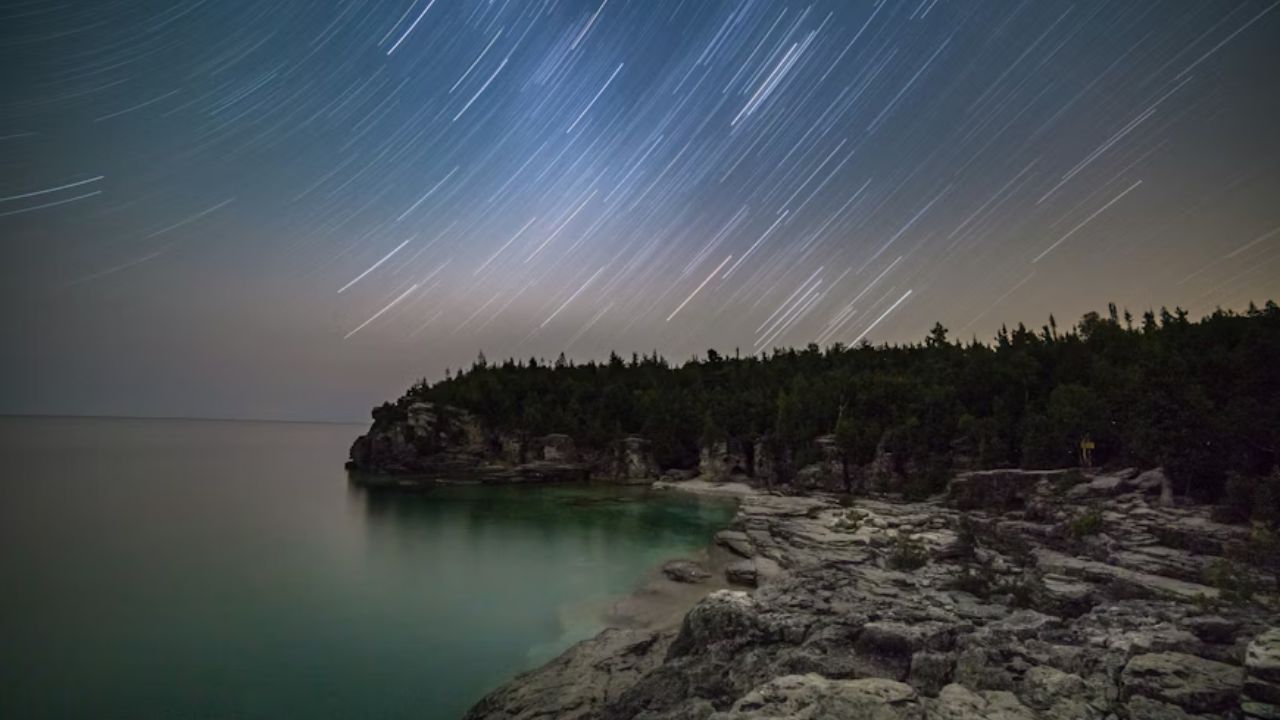
The Bruce Peninsula basically becomes a different place depending on when you show up.
Summer means warm weather and water that’s actually swimmable. It also means sharing the trails with almost everyone. Trade-offs. But good guides know the side trails that still offer cliff views without the Instagram crowds.
September and October might be the secret weapon. Fewer people. Perfect hiking temperatures. Forests are going absolutely wild with autumn colors. Red and gold leaves against grey cliffs and blue water create this scenery that almost feels too much. Too beautiful. Your eyes won’t believe it.
Winter hiking isn’t for everyone, but it’s legitimately magical. Ice coats the cliffs. Frozen waterfalls create temporary sculptures. The trails get this quietness that summer can never touch. Guided winter trips also keep you safe, because ice conditions require knowledge you probably don’t have.
Spring brings mud but also wildflowers. The peninsula has this unique ecosystem with rare orchids you won’t find anywhere else in Ontario. Bird migrations bring unusual species through.
The same trail in different seasons feels like completely different hikes. Which is why people who’ve been there once often want to go back. And guided transport makes returning simple, since the logistics are handled.
What a Real Day Trip Looks Like
Set realistic expectations. Nobody likes surprises when they’re already three hours from home.
Most guided Bruce Peninsula trips start early. Like 6 or 7 AM early. Early starts mean arriving before crowds, hiking in cooler morning temps, and claiming the best viewpoints before they fill up.
The drive each way takes three-plus hours. Comfortable seats matter. So does having a guide who makes the journey interesting instead of just dead time to endure.
Once you’re on the trails, expect moderate hiking. Nothing requiring ropes or technical climbing skills. But also not flat pavement. Rocky terrain. Some elevation. Potentially slippery spots near water. Uneven surfaces everywhere. Basic fitness and real hiking boots make the difference between fun and misery.
Lunch happens trailside. Most people bring their own food, though some operators include meals. Eating a sandwich while sitting on a rock overlooking Georgian Bay just hits differently than lunch at your desk.
You usually get four to six hours at the actual destination. Enough time for multiple trail sections, photos, maybe swimming in summer, and just existing in the space without constantly rushing.
The drive back gives you time to process everything, chat with new hiking friends, or just zone out while someone else deals with the highway traffic into Toronto.
Why Toronto Locals Need This
Toronto offers incredible advantages. Food, culture, entertainment, opportunity. But dramatic natural landscapes? Those require actually leaving.
Getting into nature regularly isn’t just hippie nonsense. Research backs this up. Time in natural environments genuinely reduces stress, improves mood, boosts creativity, and supports mental health. The problem is actually making it happen.
Hiking near Toronto, options exist within city limits. Don Valley, High Park, and various conservation areas. They’re fine. But they don’t compare to standing on ancient cliffs above pristine water, surrounded by forests that feel genuinely wild.
Guided transport removes the biggest barrier, which is effort. When planning feels overwhelming, people just don’t go. When someone else handles the annoying parts, suddenly that cliff hike becomes doable on your next free Saturday.
For people without cars, guided tours open up experiences that would otherwise mean complicated rentals or begging friends for rides. For people who own cars but hate long drives, it’s a more relaxed option.
Frequently Asked Questions
Is guided hiking to the Bruce Peninsula suitable for beginners?
Yes. Guided hikes are designed to accommodate a range of fitness levels. Routes are selected carefully, pacing is managed throughout the day, and guides adjust based on group energy and trail conditions. This makes it a comfortable option for people new to longer hikes who still want to experience hiking near Toronto beyond short city trails.
What should participants bring on a guided hike with transport included?
Basic hiking essentials are usually enough. Comfortable footwear with good grip, weather appropriate clothing, water, and light snacks are typically recommended. Because transport and route planning are handled in advance, there is no need to overpack or worry about navigation gear.
How long does a typical guided hiking day trip last?
Most guided hikes to the Bruce Peninsula are structured as full-day experiences. This includes early departure from Toronto, several hours on the trails with planned breaks, and an evening return. The schedule is designed to feel full and rewarding without being rushed, making it an efficient way to enjoy hiking near Toronto destinations that would otherwise require more planning time.
Finding What Fits Your Style
Different tour operators approach Bruce Peninsula cliff hikes differently. Some focus on photography, building in extra time at scenic spots for getting the perfect shot. Others emphasize natural history, with guides who can identify every plant and bird.
Some tours cater to serious hikers wanting challenging routes and faster paces. Others welcome families and beginners, adjusting everything accordingly.
Match the tour style to what you actually want and can handle. Read detailed descriptions. Check reviews. Contact operators directly with specific questions about pace, difficulty, and what the day actually includes.
For anyone serious about experiencing the best hiking near Toronto actually offers, particularly these spectacular Bruce Peninsula cliffs, guided transport is more than just convenience. It transforms the whole thing from a logistically complicated day trip into a seamless adventure focused entirely on nature and movement and actually being present in remarkable places.
The cliffs exist whether you drive yourself or join a tour. But the quality of the experience, how much you actually absorb and enjoy, often comes down to removing friction and stress. Let someone else handle the driving and planning. You focus on the views.