
What Amazing Algonquin Park Wildlife Can You Spot in One Trip?
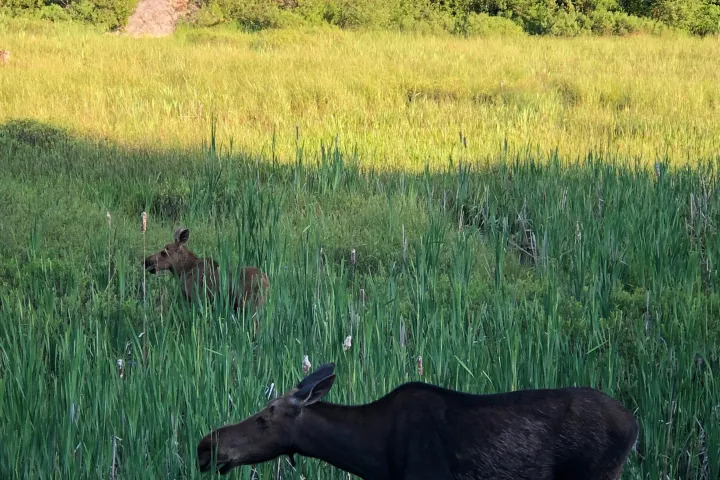
Most people drive into Algonquin hoping for wolves. But most leave talking about moose. That is not a bad thing. A bull moose standing in a roadside pond at sunrise is a sight few people forget.
Yes, you can spot moose, black bears, beavers, loons, and more in a single visit. The key is knowing what to look for, where to go, and when to arrive.
The good news is that a wildlife-focused trip does not require expert skills. This guide shows exactly what you can realistically expect to see, where your odds are highest, and how to make the most of your visit to Algonquin Park Wildlife Country.
What Wildlife Actually Lives in Algonquin Park
The park is home to dozens of animal species. But most people only see a handful.
Algonquin is known to support over 50 mammal species, along with hundreds of bird species. Moose get most of the attention. Yet many visitors leave talking about a beaver, a loon, or a black bear instead.
The trick is focusing on animals you can realistically find during a weekend visit.
- Moose: The star attraction and easiest large animal to spot.
- Black Bear: Common in the right season and location.
- Eastern Wolf: Real, but rarely seen.
- Common Loon: Easy to hear and often easy to find.
- Beaver: One of the most reliable sightings.
- River Otter: Less common but possible near active ponds.
Moose: The Animal Worth Planning Your Trip Around
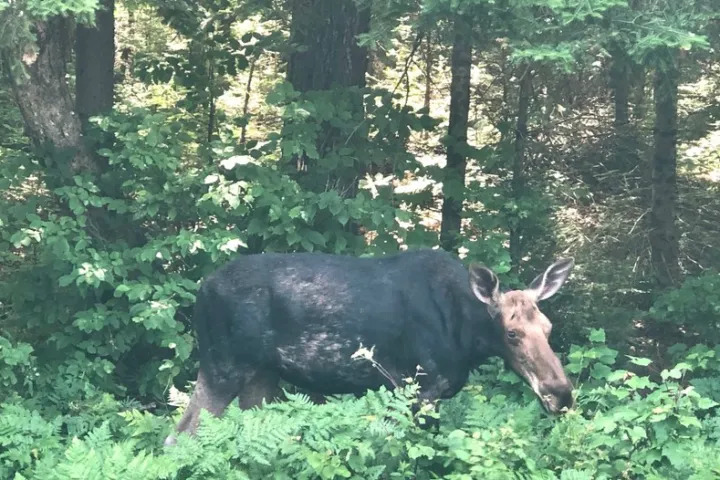
If your goal is a moose sighting, September beats August.
During late September, bulls enter the rut. They move more and cross roads more often. They spend less time hiding. This is why many experienced wildlife watchers plan entire trips around that window.
Why September and not October? By mid-October, the rut starts slowing down. Bulls become less active. Sightings still happen, but the odds drop.
The best strategy is to be on Highway 60 before sunrise. Drive slowly, and watch every pond, marsh, and flooded ditch. Moose often feed in shallow water during the early morning. A dark shape standing knee-deep in a pond may not be a stump but what you’re looking for.
Many people expect a dramatic wilderness encounter deep in the backcountry. The funny part? Some of the best sightings happen beside the road. A bull moose can walk across Highway 60 at 6:30 a.m. while people scramble for cameras.
The best setup is straightforward. Arrive before dawn, and focus on ponds between major trailheads. Keep your speed low, and watch the tree line.
Black Bears: More Common Than Most People Expect
Black bears are not rare in Algonquin.
In late spring and summer, bears spend much of their day feeding. They often appear along roadsides where fresh plants, berries, and insects are easy to find. A roadside bear eating quietly is a fairly normal sight.
Many first-time visitors expect a huge predator. Instead, they usually see a shy animal that wants space. Most Algonquin bears avoid people whenever possible.
The biggest mistake is getting out of the vehicle. Don’t do it. Just stay inside, and watch quietly. Also, take photos from a safe distance. Let the bear continue feeding without interruption.
A calm bear encounter often lasts several minutes. A crowd of people rushing forward usually ends it quickly. Keep your distance.
Wolves: The Hardest Animal to See
In all honesty, it is very rare to see a wolf.
Eastern wolves live in and around the park, but daytime sightings are extremely rare. Many people visit for years without seeing one. Hearing one is far more realistic.
So, what is the Algonquin Park Wolf Howl? The Public Wolf Howl is a special Ontario Parks event held on select August evenings. Park staff locate a nearby pack and lead a public listening session where human howls are often answered by wild wolves.
If you want a wolf-focused trip, this event offers your best chance. Check Ontario Parks for 2026 dates and registration details because spots fill quickly.
The event itself feels surprisingly simple. People gather along a roadway after dark, and staff explain the rules. Then the howling begins. A few moments later, wolves may answer from deep in the bush.
The sound carries through the night air. It feels distant and close at the same time.
Loons, Beavers, and the Wildlife Everyone Overlooks
Most people chase moose, but smart wildlife watchers stop at beaver ponds.
A good beaver pond can produce multiple sightings from one location. Beavers work the shoreline. Great blue herons hunt nearby. Moose sometimes feed in the shallows. Otters occasionally appear without warning.
This is why stopping matters. Pull over at an active pond. Turn off the engine. Wait ninety seconds. Sounds like too little time? It isn’t. Movement often starts once the noise disappears.
The loon deserves attention, too. Not because it looks unusual, but because of the sound.
At midday, a loon is simply another bird on a lake. At dusk, everything changes. Calls echo across the water. Two loons calling back and forth can be heard from surprising distances.
Best Time of Year for Algonquin Park Wildlife
The best time to visit depends on the animal you want to see. There is no single winner.
If moose are your priority, choose September. If wolves are the goal, August offers the Wolf Howl. If bears matter most, late spring delivers strong viewing opportunities.
| Month | Best For | What to Know |
| May | Black Bears | Bears become active after winter and spend more time feeding. |
| June | Moose, Loons | Good activity around ponds and lakes. |
| July | Loons, Beavers | Warm weather increases lake activity. |
| August | Wolf Howl, Loons | Public Wolf Howl events usually occur this month. |
| September | Moose | Rut season creates the best moose viewing opportunities. |
| October | Moose, Bears | Fall feeding continues, but rut activity slows. |
| Winter | Tracks and Sign | Snowshoe trips reveal tracks and fresh wildlife activity. |
For many visitors, September remains the strongest all-around choice.
Where to Go for the Best Wildlife Sightings
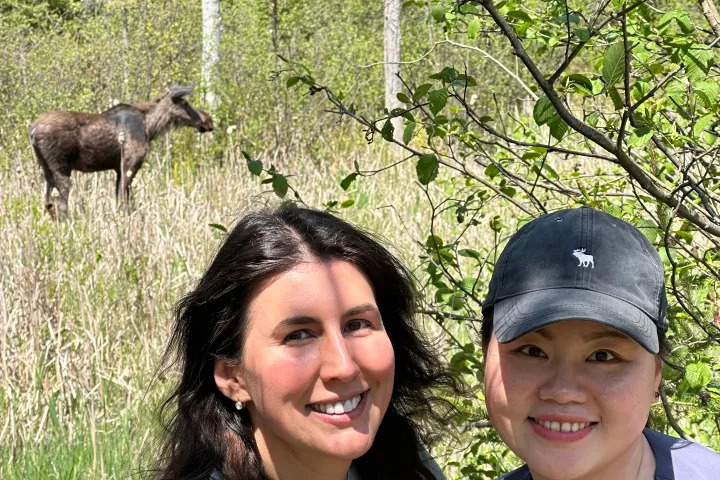
Start driving Highway 60 at dawn.
The Highway 60 corridor cuts through the busiest wildlife viewing area in the park. Many regular visitors focus on ponds, marshes, and roadside wetlands rather than deep forest. Animals need water. That’s where they show up.
The best sightings often happen early. Some people report seeing moose within minutes of entering the park before sunrise. By mid-morning, activity slows noticeably.
Opeongo Road deserves attention, too. The road leads toward Lake Opeongo and passes several productive wetlands. Drive slowly, as every pond is worth checking.
Then there is Mizzy Lake Trail. This trail is widely known among serious wildlife watchers because it crosses multiple ponds and wet areas. The route is about 11 kilometres long and offers strong odds for wildlife sightings.
This is where many people see the best of Algonquin Park wildlife in one day.
Top Wildlife Locations
- Highway 60 Corridor
- Best at sunrise.
- Look for moose, bears, and loons.
- Opeongo Road
- Best before 8 a.m.
- Watch every pond and marsh.
- Mizzy Lake Trail
- Best in the morning.
- Strong chance of beavers, birds, and moose.
How to Actually See More Wildlife on Your Trip
Better binoculars will not solve the problem. But if you stop at the right spot at the right time, that will definitely make a difference.
People who see wildlife behave differently. They pull over, wait, and scan the edges of ponds instead of staring straight ahead.
Small habits matter more than expensive gear.
Quick Wildlife Viewing Tips
- Arrive before sunrise whenever possible.
- Stop at ponds instead of only scenic lookouts.
- Drive slowly through wetland sections.
- Keep voices low near viewing areas.
- Stay inside your vehicle around large animals.
Final Thoughts on Algonquin Wildlife
Planning a wildlife trip starts with one decision. Pick the animal you care about most.
If the answer is moose, choose September. If the answer is wolves, watch for Wolf Howl announcements. If the answer is simply seeing as much nature as possible, spend extra time at beaver ponds and roadside wetlands.
Toronto Eco Adventures offers several Ontario nature trips, including tours to Algonquin Park and the Bruce Peninsula, where local guides help visitors find the best viewpoints, trails, and seasonal highlights.
The park is full of surprises. The only question is this: when the road bends around the next pond, what might be standing there?
FAQs
Q1: What animal are you most likely to see in Algonquin Park?
Moose, beavers, and loons are among the most common sightings. Black bears are also seen regularly during active feeding periods.
Q2: Can you see wolves in Algonquin Park?
Seeing a wolf is rare. Hearing wolves during the Public Wolf Howl is much more realistic.
Q3: What is the best month for moose viewing?
September is widely considered the best month because of the rut season.
Q4: Is Algonquin Park good for a day trip from Toronto?
Yes. Many people visit for a day, though overnight stays improve wildlife viewing odds.
Q5: Do I need a guide to see wildlife?
No. But guided tours can help you find productive viewing areas faster.