
Outdoor Activities in Toronto: When You Need to Go Further to Find Real Nature
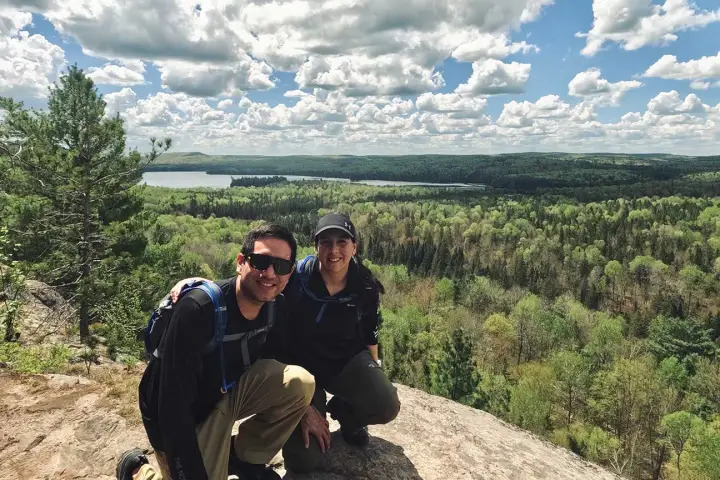
Toronto offers plenty of outdoor experiences, but many popular outdoor activities Toronto guides focus on city parks and waterfront spaces rather than true nature. If you want forests, wildlife, quiet trails, and landscapes that feel untouched, you often need to travel beyond the city’s most famous attractions.
Toronto is a great outdoor city, and there is no debate there. You can bike beside Lake Ontario, paddle through island lagoons, or spend hours walking in High Park.
But here’s the catch.
Many places marketed as nature are actually designed urban spaces. They are enjoyable. They are worth visiting. Yet they rarely deliver the feeling people expect when they picture real wilderness.
So where should you go? And when is it worth leaving downtown behind? Let’s break it down.
Best Outdoor Activities in Toronto (And What They Actually Are)
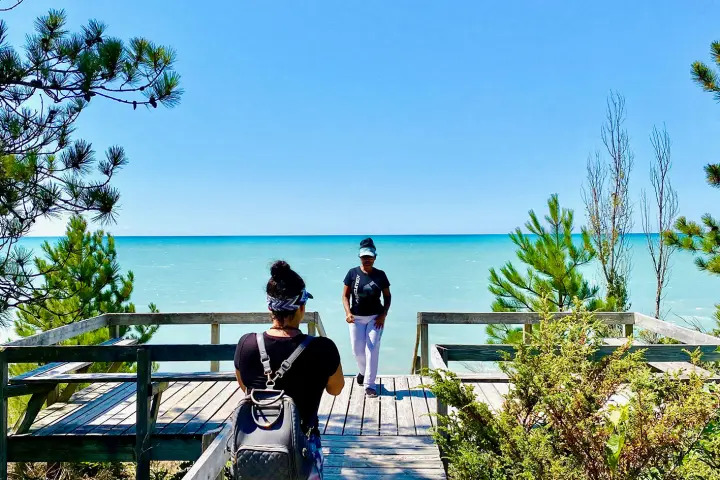
Not all outdoor spaces offer the same kind of escape.
Many lists place High Park, the Toronto Islands, waterfront trails, and conservation areas in the same category. That creates confusion. A landscaped park and a national urban park provide very different days outdoors.
Think about what you actually want.
Do you want a relaxed walk with coffee nearby? Do you want a paddle on calm water? Or do you want to hear birds instead of traffic?
Those are very different goals.
Toronto’s outdoor options usually fall into three groups:
- Urban parks and gardens
- Waterfront recreation areas
- Genuine nature and conservation lands
You must know the difference between each location and activities. A person expecting wilderness in downtown Toronto may leave disappointed. Someone looking for a casual afternoon outside may find exactly what they need.
High Park and the Toronto Islands
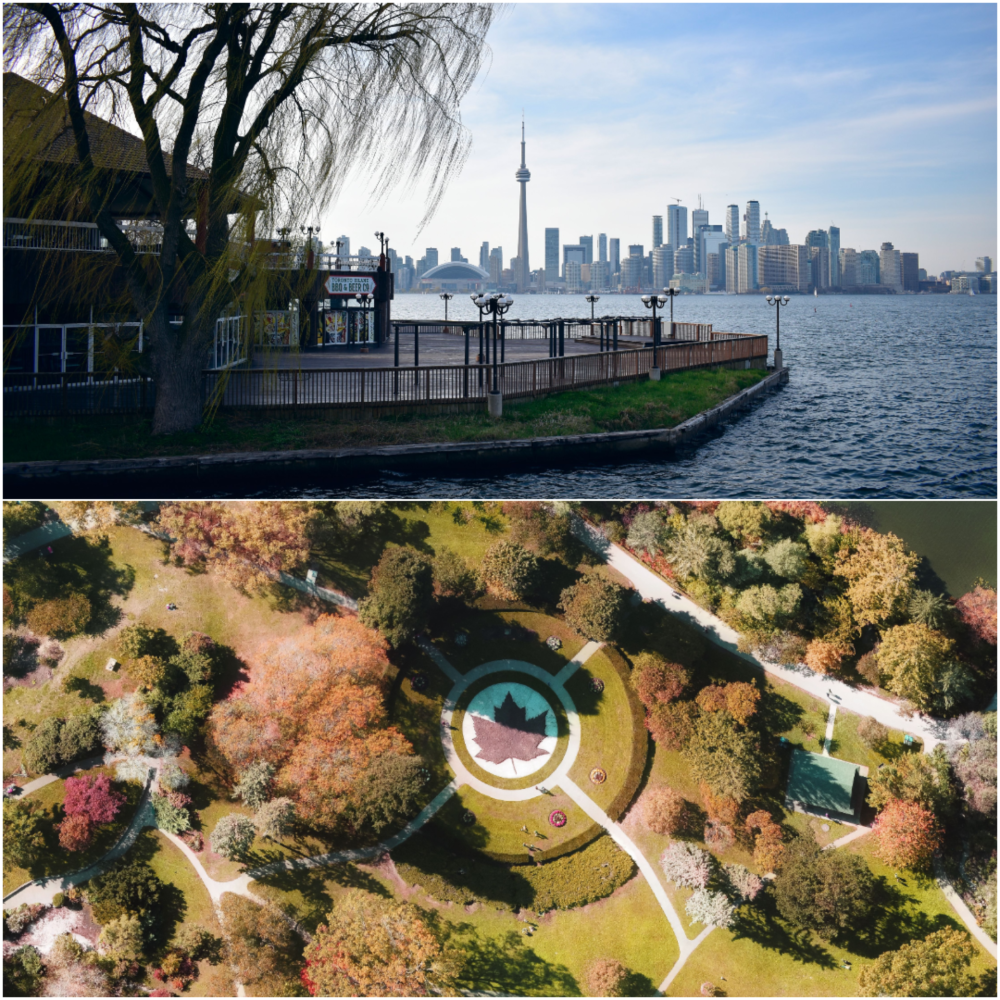
High Park and the Toronto Islands are often compared. Yet they feel completely different.
High Park works best for long walks, morning runs, and family outings. Large trees provide shade through much of the park, and the trails feel surprisingly removed from nearby neighbourhoods. Visit early because only then the crowds stay manageable.
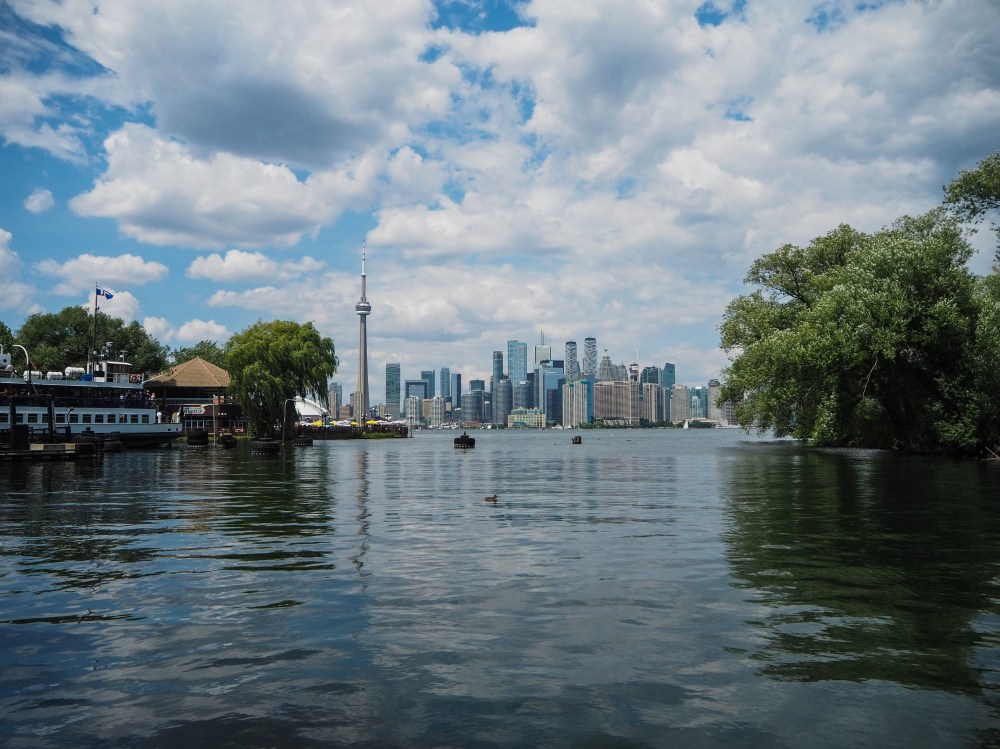
On the other hand, the Toronto Islands create a different mood. The ferry ride itself becomes part of the day with open water surrounding you. Downtown views sit across the harbour with families often spending entire afternoons exploring beaches, picnic areas, and Centreville.
A quick comparison helps:
- High Park
- Best for: Walkers, runners, families
- Getting there: TTC subway to High Park Station
- Toronto Islands
- Best for: Couples, cyclists, beach lovers
- Getting there: Ferry from Jack Layton Ferry Terminal
Both locations remain excellent city escapes. Just don’t expect wilderness.
The Waterfront Trail and Toronto’s Beaches
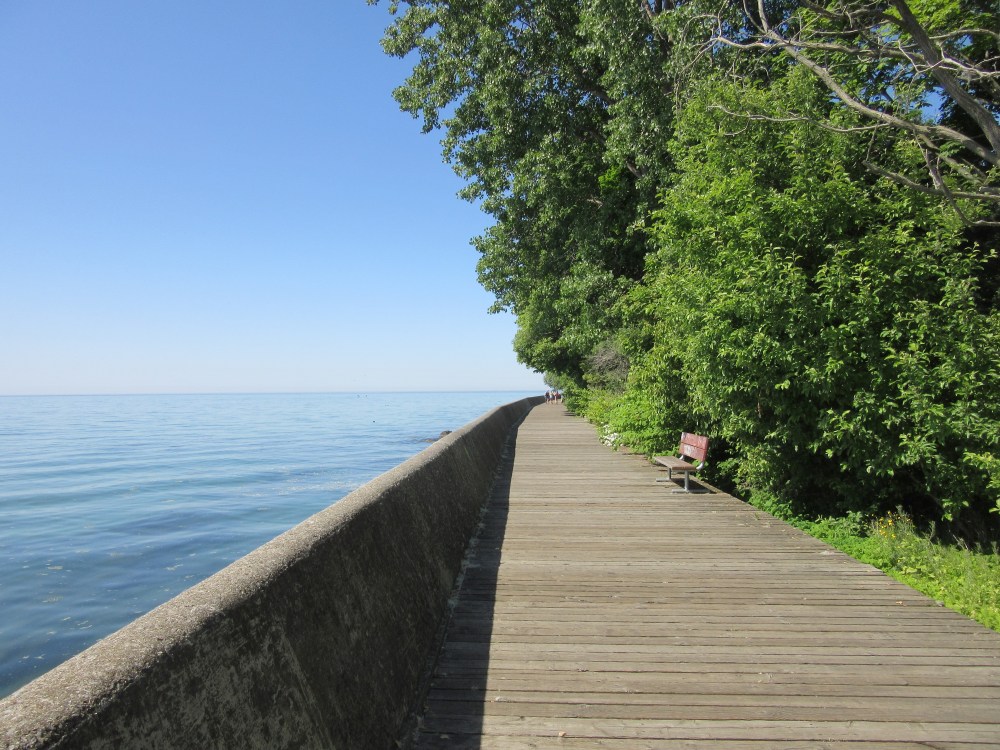
Toronto’s waterfront is bigger than many visitors realize.
The trail network stretches across large sections of the city. Some areas feel lively and urban, while others offer surprising stretches of open shoreline. The experience changes dramatically depending on where you start.
The Martin Goodman Trail remains one of the most popular cycling routes. Cyclists can ride for hours while staying close to the lake. On warm summer mornings, the trail fills with runners, cyclists, and walkers before the afternoon heat arrives.
Apart from the trail, many visitors head straight to The Beaches neighbourhood because it is famous. But water conditions change frequently. Toronto Public Health regularly posts beach water quality updates which you should keep an eye on. After heavy rain, swimming advisories can appear. It’s smart to check conditions before leaving home.
Want cleaner swimming conditions? Many locals check island beaches and Cherry Beach first. Conditions vary daily, but these locations often perform well.
Not all beaches serve the same purpose. Some work best for swimming and others for views, photography, or relaxing with a book. Know what you’re after before making the trip.
Popular options include:
- Cherry Beach
- Best for: Swimming and wind sports
- Swim note: Check same-day advisories
- Access: Cherry Street
- Ward’s Island Beach
- Best for: Quieter beach days
- Swim note: Conditions vary daily
- Access: Toronto Islands ferry
- Woodbine Beach
- Best for: Families and volleyball
- Swim note: Monitor public health updates
- Access: Queen Street East
- Scarborough Bluffs
- Best for: Views and photography
- Swim note: Not the main reason to visit
- Access: Bluffers Park
Paddling and Cycling Toronto’s Lake and Trails
Start with calm water if you’re new to paddling.
The Toronto Islands lagoons provide sheltered conditions. Water remains relatively calm, and boat traffic stays limited. First-time paddlers usually feel comfortable here within minutes.
More confident paddlers often head toward the Outer Harbour. Here, the weather conditions are less predictable and wind matters more.
The same goes for cycling. The waterfront paths work well for casual rides. But riders who want longer adventures often connect with ravine systems and regional trail networks. Shade becomes important during summer afternoons. Some routes provide plenty, but others offer very little.
A simple guide helps:
- Kayaking
- Beginner: Toronto Islands lagoons
- Advanced: Outer Harbour
- Cycling
- Beginner: Martin Goodman Trail
- Advanced: Regional trail connections
- Stand-Up Paddleboarding
- Beginner: Island lagoons
- Advanced: Open lake conditions
Why High Park and the Toronto Islands Don’t Feel Like Real Nature
High Park and the Toronto Islands are not true wilderness environments. But both the locations simply serve a different purpose.
High Park includes maintained trails, open lawns, sports facilities, parking areas, and managed landscapes. The park contains natural features, but it remains a designed urban park.
The Islands tell a similar story. Parts of the island system developed through decades of shoreline modification and lakefill projects. You’ll find beaches, paths, and recreation spaces receive active management.
You can still spot wildlife, and enjoy quiet moments. But can you completely forget you’re in Canada’s largest city? Not often.
Traffic sounds remain nearby, with buildings that are visible. Also, visitor numbers remain high during peak seasons. It’s completely normal for people to come here expecting a forest adventure. While they don’t get adventure, they definitely have a pleasant park visit.
Where to Go In Ontario for Real Nature
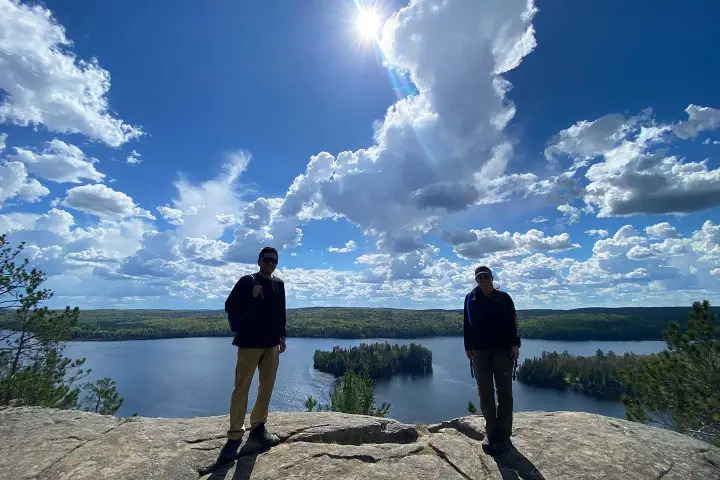
One of the strongest options is the Algonquin Park Summer Hiking Adventure. It offers a completely different setting. Instead of cliffs and Georgian Bay views, you get forests, lakes, wildlife, and classic Canadian wilderness. Algonquin is one of Ontario’s most iconic parks. Moose, beavers, and countless bird species live here. The hiking trails and lookout points give you a much stronger connection to nature than most places within city limits.
Want something less crowded? The Bon Echo Hiking & Canoeing Adventure combines hiking with paddling on Mazinaw Lake. The park is famous for its massive rock face and Indigenous pictographs visible from the water. Few first-time visitors realize this place exists, which makes it feel even more special.
For experienced hikers, the Lion’s Head Lookout Hike and Killarney & French River Adventure provide a bigger challenge. Both feature rugged terrain, elevation changes, and sweeping views that are hard to find near Toronto. These are the kinds of places where you can spend hours on the trail and feel genuinely immersed in the landscape.
Some of the best Toronto Eco Adventures trips for nature lovers include:
- Bruce Peninsula Road Trip
- Why go: Cliffs, caves, turquoise water, Georgian Bay views
- Algonquin Park Summer Hiking Adventure
- Why go: Wildlife, forests, lakes, classic Ontario wilderness
- Bon Echo Hiking & Canoeing Adventure
- Why go: Canoeing, pictographs, dramatic rock formations
- Lion’s Head Lookout Hike
- Why go: Challenging trails and stunning escarpment views
- Killarney & French River Adventure
- Why go: Rugged landscapes and some of Ontario’s best hiking
When people say Toronto lacks real nature, they are often looking in the wrong place. The city gives you parks. These trips give you forests, cliffs, wildlife, and the kind of landscapes that make you forget your phone has a signal.
Best Time of Year for Toronto’s Outdoor Activities
To get the most of Toronto’s outdoor activities, late September might be Toronto’s most underrated outdoor season.
Many locals already know the secret. Lake temperatures remain pleasant. Trails become quieter, mosquito activity drops, and fall colours begin appearing.
A quick comparison helps:
| Season | Best Activity | Skip | Caveat |
| Spring | Hiking and wildlife viewing | Lake swimming | Muddy trails |
| Summer | Beaches and paddling | Midday hiking | Heat and crowds |
| Fall | Hiking and cycling | Peak beach days | Cooler evenings |
| Winter | Skating and snowshoeing | Paddling | Weather changes quickly |
Summer draws the largest crowds, while fall often delivers the best balance.
Winter deserves more credit too. Snowshoeing, skating, and winter hiking create entirely different outdoor experiences. Some Toronto Eco Adventures winter and shoulder-season tours also help visitors explore Ontario landscapes safely when conditions change.
Timing changes everything.
The Real Question Isn’t What to Do
Toronto offers no shortage of outdoor adventures. The bigger question is what kind of outdoor day you want. City parks, waterfront paths, and island beaches provide excellent recreation. Yet they rarely deliver the quiet and scale many people associate with nature.
FAQs
Q1: What are the most popular outdoor activities in Toronto?
Some of the most popular outdoor activities are walking in High Park, cycling the waterfront, visiting the Toronto Islands, kayaking, paddleboarding, and beach visits.
Q2: What is the best outdoor destination near Toronto?
Many people choose Rouge National Urban Park for convenience. For larger landscapes, Algonquin Provincial Park and Bruce Peninsula are excellent options.
Q3: Are Toronto beaches safe for swimming?
Absolutely! Toronto beaches are safe for swimming. This is because Toronto Public Health regularly monitors beach water quality. Make sure to check same-day advisories before swimming.
Q4: Which Toronto Eco Adventures tours are best for nature lovers?
If you want to experience the best nature tour, book the Algonquin Provincial Park Day Tour and Bruce Peninsula National Park Tour. These are two strong options for visitors seeking forests, wildlife, and dramatic Ontario landscapes.