
Centennial Ridges Trail, Algonquin Park: Ontario’s Most Rewarding Hike
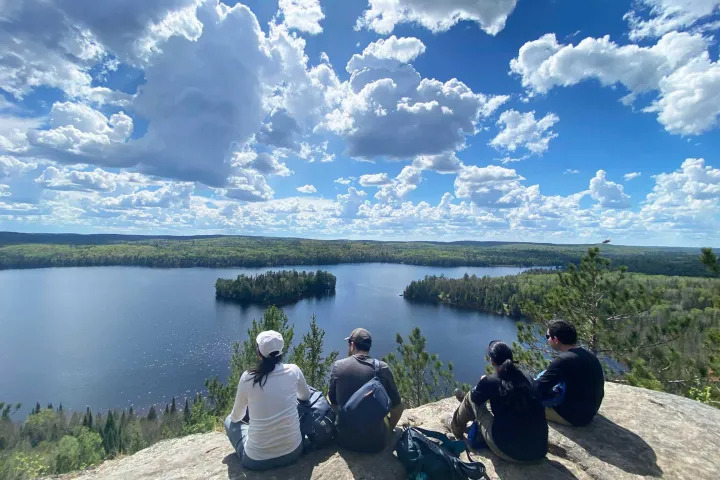
The Centennial Ridges trail is Ontario’s most rewarding hike because it delivers multiple ridge-top views, a real physical challenge, and a true backcountry feel, all within a single day hike in Algonquin Provincial Park.
If you’re driving several hours from Toronto, this is the trail that gives the biggest payoff for the effort. It is long enough to feel like an adventure but accessible enough for fit day hikers.
Many trails save their best view for the end. This one keeps giving you new viewpoints throughout the day. Each ridge reveals another stretch of forest, lake, and Canadian Shield.
By the time the loop ends, you’ve seen more of Algonquin than most visitors do in an entire weekend.
Why Centennial Ridges Is Ontario’s Most Rewarding Hike
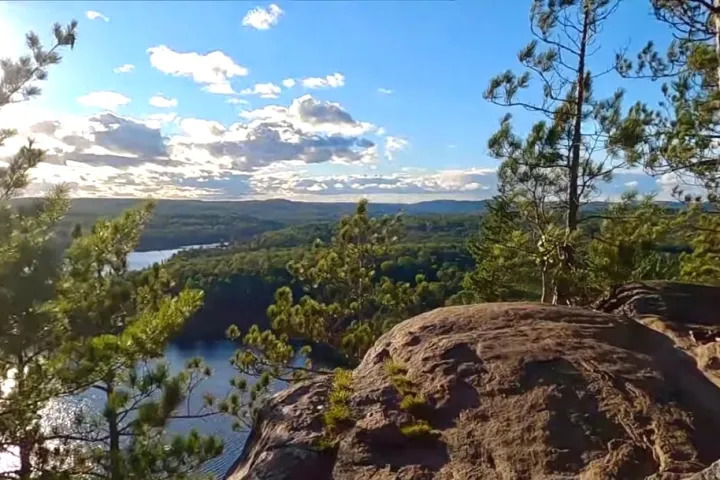
Most Algonquin trails lead to one lookout. Then you turn around and head back. But Centennial Ridges works differently. It takes you across multiple ridges, with several panoramic viewpoints spread across the route. The scenery keeps changing but the reward doesn’t come once. It comes again and again.
The terrain also feels distinctly Canadian. You walk across exposed rock, pass quiet forests, cross low wetlands, and stand above lakes that seem to stretch forever. Whitefish Lake is a standout, and on a clear day, the view feels endless.
This is why experienced hikers often place Centennial Ridges above shorter Algonquin favourites. The effort feels justified, and every major climb reveals something new.
Centennial Ridges Trail Distance, Difficulty and What to Expect
This is not a trail where the difficulty rating tells the whole story.
The official trail length is 10.4 kilometres and Ontario Parks classifies it as demanding. However, some hiking platforms report slightly different distances. That usually depends on GPS tracking, starting points, and route recording methods. The official figure remains 10.4 kilometres.
What makes the trail hard is not one giant climb. Instead, you face several ridge ascents throughout the loop. The constant up-and-down movement gradually wears down your legs. Many hikers begin feeling the challenge after the halfway point.
That’s where people have different opinions. Some hikers finish comfortably in under four hours, while others find it exhausting. While fitness level matters, so does pace.
Quick Trail Stats
- Distance: 10.4 km loop
- Difficulty: Demanding
- Time Needed: 3.5 to 6 hours
- Elevation Gain: Reported between roughly 280 m and 440+ m depending on tracking source
If you regularly hike local conservation trails, you’ll likely be fine. If your hiking experience comes mostly from city parks, expect a bigger challenge.
Centennial Ridges Trail Route Description
Start at the trailhead near Highway 60 and the first section feels surprisingly calm. The path moves through forest before the climbing begins.
Soon the trail starts gaining elevation. The first ridge arrives faster than many hikers expect. This is often where people stop for their first long break. The view opens across forests, lakes, and rolling hills that stretch across the park. It immediately sets the tone for the day.
The forest sections feel quiet and sheltered, while the ridge sections feel exposed and dramatic. The contrast keeps the hike interesting. Even several kilometres in, the scenery still feels fresh.
One memorable stretch crosses rocky terrain where the Canadian Shield becomes the star attraction. The landscape feels ancient, and wind-shaped pines cling to exposed rock. Small lakes appear below with views that look especially impressive during autumn.
Eventually, you’ll reach sections that pass through lower terrain. Boardwalks and wetter areas break up the ridge walking. These moments provide a welcome change of pace. They also give your legs a brief rest before the next climb begins.
The final ridge crossings often become the most memorable part of the day. By this point, crowds thin out, the views feel bigger, and the sense of accomplishment grows with every lookout.
Marker viewpoints provide natural stopping points. Many hikers pause here for snacks, photos, or simply to take in the scenery. During fall colour season, entire hillsides glow with red, orange, and gold leaves.
The final kilometres feel longer than they look on the map. Fatigue starts to build, yet the trail continues delivering viewpoints almost until the end.
Best Time to Hike Centennial Ridges Trail
Fall gets most of the attention and this is for good reason.
The first half of October often delivers peak colour across Algonquin. The ridges become natural viewing platforms for Ontario’s most famous autumn landscape. The colour timing can vary slightly depending on weather, so check current fall colour reports before travelling.
The only trade-off is crowds and due to more crowd parking fills faster. Popular viewpoints get busy, and weekends become especially crowded.
| Season | Colours & Bugs | Crowd Level |
| May | Fresh green forest, heavy black flies | Moderate |
| June-July | Warm weather, mosquitoes active | High |
| August | Fewer bugs, lush scenery | Moderate |
| Early October | Peak colours, minimal bugs | Very High |
Summer offers warm temperatures and long daylight hours. Swimming opportunities around Algonquin also become appealing.
Late spring brings active wildlife viewing. During this time, moose sightings are more common. However, the downside is black flies, as they can be relentless.
Many experienced hikers quietly prefer late September. This is because fall colours begin appearing, bug pressure drops, and crowds haven’t fully peaked yet.
Is Centennial Ridges Trail Good for Kids and Dogs?
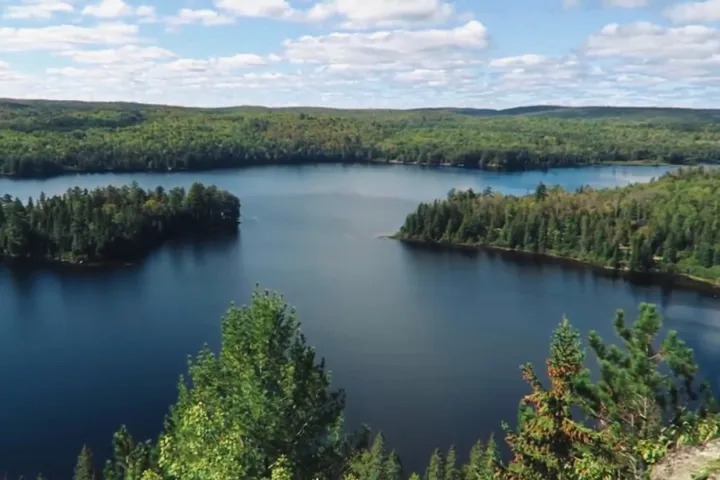
Distance isn’t the reason this trail can be challenging for young children. The bigger issue is exposure. Several lookouts sit near steep drop-offs with no barriers.
A child who wanders or runs ahead can create a stressful situation. Older kids who already enjoy hiking often do well here. Younger children may struggle with both the terrain and distance.
Dogs are allowed, but remember to always put a leash on them. Trail-experienced dogs usually handle the route well. The challenge comes at exposed viewpoints where excitement and distractions increase. A strong leash and good trail manners make a huge difference.
For families, Booth’s Rock often provides a gentler introduction to Algonquin hiking. Centennial Ridges work best when everyone is comfortable spending several hours on rugged terrain.
Parking, Permits, and Getting to the Trailhead
The trailhead sits right off Highway 60. Getting a parking spot is often the harder part.
The official trail access point is located at kilometre marker 37.6 along Highway 60 within Algonquin Provincial Park. Arriving early is a smart move during weekends and fall colour season.
Even today, day visitors need a valid Ontario Parks permit. Registration systems can change, so always confirm the latest process and permit fees through Ontario Parks before your trip.
How to Reach the Trailhead
- Drive into Algonquin Provincial Park via Highway 60.
- Follow signs to the Centennial Ridges parking area near kilometre marker 37.6.
- Complete any required permit registration before starting your hike.
Visitors coming from Toronto should allow roughly three to three-and-a-half hours of driving depending on traffic.
Not interested in handling the logistics yourself? Reach out to Toronto Eco Adventures. Their small-group tours Centennial Ridges can simplify the day considerably.
What to Pack for Centennial Ridges Trail
Two items matter more than most hikers expect. There is no potable water on the loop. Also, there are also no garbage bins along the trail.
To make your hike comfortable, bring These Essentials
- At least 2 litres of water
- Good hiking shoes with grip
- Bug spray during spring and summer
- Snacks or a packed lunch
- A small bag for packing out garbage
Simple preparation makes a huge difference once you’re deep into the loop.
Centennial Ridges vs. Other Algonquin Trails
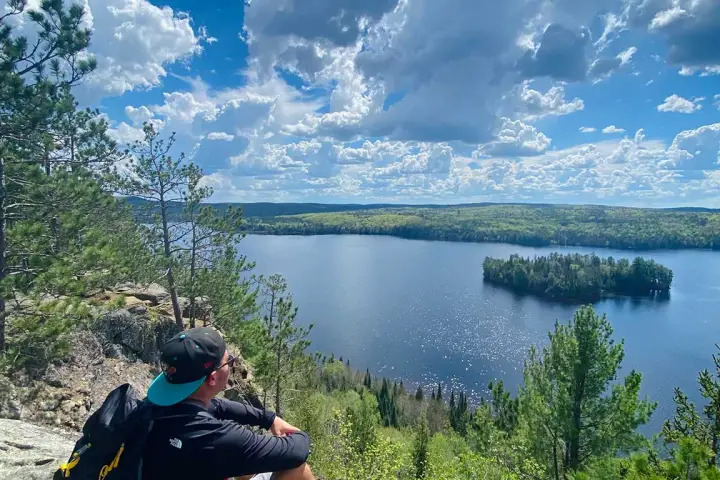
Which trail should you choose if you only have one day in Algonquin? The answer depends on what kind of day you want.
If the goal is maximum scenery, Centennial Ridges remains the strongest choice. It demands more effort, but it delivers more viewpoints than most competing trails.
Here’s a simple trail comparison of Centennial Ridges with other Algonquin trails:
- Centennial Ridges: Best for serious hikers seeking multiple ridge-top views. Allow 4-6 hours.
- Booth’s Rock: Best for moderate hikers wanting great scenery in less time. Allow 2-3 hours.
- Lookout Trail: Best for visitors wanting a quick panoramic view. Allow under 1 hour.
- Mizzy Lake Trail: Best for wildlife spotting and nature observation. Allow 4-5 hours.
For first-time Algonquin visitors, Lookout Trail is easier while for photographers, Mizzy Lake can be fantastic. Finally, for hikers chasing the biggest payoff can be achieved through Centennial Ridges.
Exploring Algonquin Without Planning Every Detail
Not everyone wants to handle permits, navigation, driving, and timing. That’s where guided outdoor trips can help.
Toronto Eco Adventures offers a dedicated Centennial Ridges Hike in Algonquin Park that includes transportation from Toronto and guidance throughout the day. The company also runs an Algonquin Park Summer Hiking Adventure, giving visitors another way to experience the park’s landscapes without organizing every detail themselves. Tours are designed for small groups, creating a more personal outdoor experience.
For Toronto residents without a vehicle, this can remove the biggest obstacle to visiting Algonquin.
Final Thoughts
Centennial Ridges asks for a full day, strong legs, and a little determination. In return, it delivers ridge after ridge of classic Ontario wilderness. When the final viewpoint appears and the forest stretches to the horizon, the effort suddenly makes perfect sense.
FAQs
Q1: How long does Centennial Ridges Trail take?
The trail is not very long nor very short. While it all depends on your pace, most hikers complete the loop in 3.5 to 6 hours. Fitness, weather, and photo stops all affect timing.
Q2: Is Centennial Ridges Trail suitable for beginners?
Fit beginners can complete it, but it is always suggested to prepare for the hike weeks or months before the actual hike. The repeated climbs make it more demanding than many Ontario day hikes.
Q3: What is the official length of Centennial Ridges Trail?
The official length of Centennial Ridges Trail the Ontario Parks lists is a 10.4 km loop. However, some hiking apps show slightly different measurements but you can still consider it a 10 km trail.
Q4: Do I need a permit to hike Centennial Ridges?
If you’re planning to hike Centennial Ridges, then you need to take a permit. Day visitors require a valid Ontario Parks permit. Check current requirements before travelling.