
Crawford Lake Conservation Area: 9 Amazing Things to Know
Crawford Lake Conservation Area is a scenic park near Milton, known for its rare lake, indigenous history, and woodland trails. It sits about one hour from Toronto by car and is a great spot for families, new hikers, history lovers, and keen walkers.
If you’re planning to go here, we’ve listed nine key things to know before you visit.
What Is Crawford Lake Conservation Area?
Crawford Lake Conservation Area is a 94-hectare park near Milton, Ontario. It lies along the Niagara Escarpment, about one hour from Toronto, and is managed by Conservation Halton.
The park is best known for its rare meromictic lake. Its upper and lower water layers rarely mix. This unusual feature preserves yearly sediment layers at the lake’s bottom. Scientists study them to track climate, pollution, and human activity.
The park also protects a major archaeological site. Visitors can explore reconstructed longhouses near the original village grounds. Several woodland trails link with the wider Bruce Trail network.
1. Crawford Lake Has Rare, Layered Water
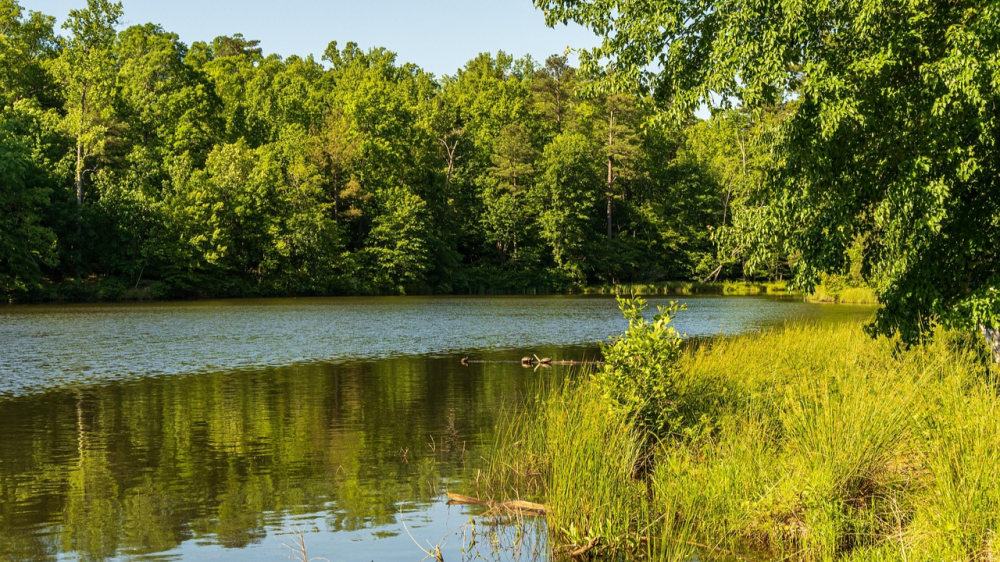
Crawford Lake looks small and calm from the shore, yet its deepest point reaches about 23 metres. More importantly, its upper and lower waters rarely mix. Scientists call this type of lake “meromictic.”
But why are we talking about its depth? Because the still bottom water protects thin layers of mud. Each layer records one year, much like a tree ring where pollen, ash, chemicals, and other particles remain trapped. These layers give scientists a clear record of environmental change. They also helped reveal past farming near the lake.
However, you do not need a science degree to enjoy this story. Just picture a natural history book resting beneath the water. Each muddy page holds clues from a different year.
2. The Longhouse Village Stands on an Archaeological Site
The reconstructed village is not a random historical display. Archaeologists found evidence of a 15th-century village near the lake. Excavations revealed 11 longhouse sites and thousands of artifacts.
Today, visitors can enter reconstructed longhouses near the original settlement. The exhibits explore food, farming, family life, and trade. They also share present-day Indigenous knowledge and culture.
The site has often been called an “Iroquoian village.” Yet that broad term can hide key cultural details. Conservation Halton now connects the site with Wendat and Attawandaron history. Make sure to spend some time here because the longhouses deserve more than a quick photo stop. Read the signs and listen during any live programs.
3. Crawford Lake Nearly Marked a New Geological Epoch
Crawford Lake does not officially mark a new geological epoch. Still, it almost became the global reference point for one. In 2023, scientists chose the lake as their proposed marker for the Anthropocene. This term describes the age of major human impact on Earth. The lake beat 11 other sites from across the world.
Researchers found a clear plutonium signal in its mud. That material came from nuclear bomb testing during the 1950s, creating a time stamp that appears across much of the planet.
Sounds like a done deal, right? It was not. Geological bodies rejected the formal Anthropocene proposal in March 2024. The vote did not dismiss human harm to Earth. It rejected that proposed date and formal geological label.
However, the lake remains a major research site. Its sediment still tracks farming, industry, pollution, and nuclear fallout. Few local walks come with such a vast story underfoot.
4. The Crawford Lake Boardwalk Is Temporarily Closed
The lake boardwalk remains closed for reconstruction as of July 2026. Work began on September 29, 2025. Completion is now expected in early fall 2026, though schedules can shift.
This closure affects the purple Crawford Lake Trail, as you cannot complete the well-known one-kilometre loop around the water. But the park itself remains open. Woodland, Escarpment, and Pine Ridge trails are still listed as open. Still, confirm the status again before your trip..
5. Crawford Lake Conservation Area Has Trails for Many Skill Levels
You do not need to be a seasoned hiker here. Several routes are short and quite gentle. Other paths add roots, rocks, hills, and longer distances.
So, is this place suitable for beginners? Yes, if you choose carefully. Wet leaves and snow can still make easy paths slippery. Proper shoes matter more than expensive hiking gear.
Use this quick guide when picking your route:
- Woodland Trail: A short forest route suited to casual walkers.
- Escarpment Trail: A 2.4-kilometre loop with varied ground and a lookout.
- Pine Ridge Trail: A 3.6-kilometre route suited to longer woodland walks.
- Crawford Lake Trail: A one-kilometre lakeside route that is currently closed.
- Nassagaweya Canyon Trail: A longer Bruce Trail link towards Rattlesnake Point.
Trail maps list the Canyon route at about 9.4 kilometres round trip. Some hikers continue farther towards Rattlesnake Point. That choice can turn a relaxed outing into a full-day hike.
Check your time before taking the longer route. A two-hour window disappears quickly after photo stops and fall daylight fades earlier than many Toronto visitors expect.
6. Admission and Reservations Need Advance Checking
Crawford Lake Conservation Area charges admission with rates depending on age and may change between seasons. An adult visit costs roughly $10 before tax. Treat that figure as a planning estimate.
Online and gate rates may not always match, and special events can also require separate tickets. Therefore, check the live booking page for current costs and available times. Advance reservations are a smart choice on busy weekends. They matter most during fall colour season and public holidays.
Additionally, a Conservation Halton membership may offer better value for repeat visits. It can suit families planning trips to Hilton Falls or Mount Nemo.
7. Wildlife Adds Another Reason to Walk Slowly
This park protects far more than a rare lake. Its forest and wet areas support many sensitive species. Wildlife sightings often favour quiet visitors who slow their pace. The Hide and Seek Trail features carved animals along the route. These carvings help children notice species that live nearby.
Monarch butterflies may appear during warmer months. Snapping turtles also live around wet areas. Make sure to give every wild animal plenty of space. Also, never move a turtle unless trained staff give clear guidance.
8. Each Season Offers a Different Kind of Visit
Spring brings fresh leaves, mud, and maple programs. Conservation Halton often runs seasonal maple events at Crawford Lake. On the other hand, summer gives you longer daylight and green forest views. It is also a good time for longhouse programs. However, make sure to pack insect repellent, sunscreen, and enough drinking water.
Fall delivers the loudest visual show where maples turn red while birch and beech add gold. Yet weekends can feel packed, which is why an early weekday visit offers more breathing room.
Winter creates a quieter trip. Snowshoeing and cross-country skiing may be possible when snow allows. Trails can become icy within hours; therefore, check conditions and wear traction aids when needed.
9. Getting There Requires a Car or Planned Transport
The park sits at 3115 Conservation Road in Milton. It is about 60 kilometres from downtown Toronto. The drive often takes one hour outside peak traffic. You can take Highway 401 west towards Guelph Line. Then travel south towards the park entrance. Friday traffic can stretch that short drive, so leave extra time.
Public transit does not provide a simple park connection. You may need a rental car, taxi, or rideshare. Arrange your return trip before hiking, since rural pickup times vary.
Travellers without a car may prefer a guided trip from Toronto. Toronto Eco Adventures offers small-group day tours with transport. Its Niagara Escarpment and Niagara Falls Tour includes three lesser-known waterfalls before Niagara Falls. Groups have up to seven guests, which creates a relaxed road-trip feel.
What to Bring for Your Crawford Lake Visit
A short packing check prevents many common problems. Southern Ontario weather can change during one hike. Bring layers even when Toronto feels warm.
Useful items include:
- Supportive walking shoes with good grip
- A refillable water bottle
- Bug spray and sunscreen
- A light rain jacket
- Snacks for longer trails
- A downloaded or printed trail map
- Ice grips during cold months
- A phone battery pack
Check trail and boardwalk updates before driving out. Arrive early when fall colours reach their peak. Most importantly, leave time for the longhouses as they give the landscape its deeper meaning.
Final Thoughts
Crawford Lake Conservation Area works best as more than a quick hike. Its water stores centuries of environmental clues while its village site shares a much older human story.
Beginners can enjoy the shorter open trails. On the other hand, strong hikers can explore the Escarpment and Bruce Trail links. Just confirm closures, fees, and programs before leaving Toronto.
FAQs
Q1: Is Crawford Lake Conservation Area suitable for beginners?
Yes. The Woodland and Escarpment routes suit many new hikers. Conditions may become muddy, snowy, or icy.
Q2: Can visitors swim in Crawford Lake?
No. Swimming and boating are not part of the visitor experience. The lake is environmentally sensitive.
Q3: Do you need a reservation for Crawford Lake?
Advance booking is strongly recommended. Check Conservation Halton for current admission rules and available entry times.
Q4: Are the Crawford Lake longhouses open year-round?
They have seasonal and weekend opening schedules. Confirm current hours before planning your visit around them.
Q5: Are dogs allowed at Crawford Lake?
Yes. Dogs must remain leashed. Owners should clean up after them and protect nearby wildlife.