
Rattlesnake Point Conservation Area: Best Trails and Lookouts
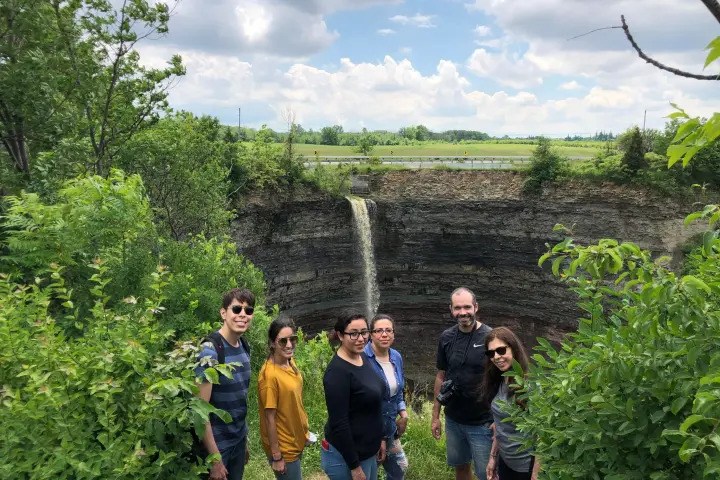
Rattlesnake Point Conservation Area sits along the Niagara Escarpment near Milton. It lies less than an hour from Toronto in light traffic and offers three standout hikes: Vista Adventure Trail for beginners, Buffalo Crag Trail for classic cliff views, and Nassagaweya Canyon Trail for a longer challenge.
Your best choice depends on your time, fitness, and plans for the day. This guide will help you choose the right trail, find the best lookout, and plan your visit without fuss.
What Is Rattlesnake Point Conservation Area?
Rattlesnake Point Conservation Area protects forest, cliffs, caves, and old cedar trees. Its limestone edge forms part of the Niagara Escarpment. Years of wind, rain, ice, and erosion shaped the cliffs seen today. The cliff line explains why this park feels so dramatic. You can walk through quiet woods, then reach a broad view within minutes. Turkey vultures often glide below the cliff edge during warm months.
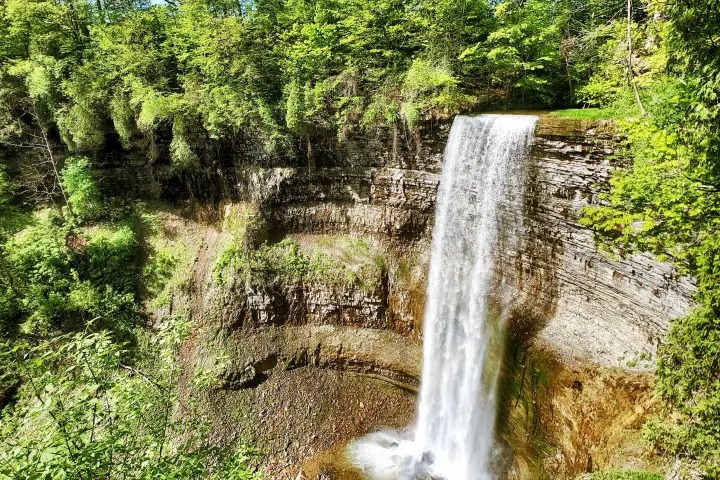
The park is also part of the Niagara Escarpment Biosphere Network. If you want to explore Niagara Escarpment, you can do so by booking a guided tour with Toronto Eco Adventures, who takes care of the entire tour from arrival to departure.
Hiking remains Rattlesnake Point Conservation’s main draw, though camping and rock climbing are also offered. To this place, spring brings trilliums and damp forest paths. Summer offers deep shade under the tree cover and fall turns the valley into a quilt of red, gold, and orange.
Five Lookouts Worth Finding
The five lookouts do not offer the same view. Some work as quick stops, while others deserve more time. Picking one first helps you choose the right trail.
Nassagaweya Canyon Lookout offers the widest open scene. Buffalo Crag delivers the classic cliff photograph seen across travel sites. Trafalgar and Pinnacle suit a shorter walk near the main trail system. Nelson Lookout receives less attention than the better-known stops, which can be a welcome perk on busy days.
Here is what each lookout offers:
- Trafalgar Lookout: This is an easy stop along Vista Adventure Trail. It suits families and visitors with limited time.
- Pinnacle Lookout: This viewpoint reveals more of the escarpment’s steep shape. You can pause here before continuing through the loop.
- Nelson Lookout: This quieter stop may appeal to patient photographers. Check the park map since it is easier to miss.
- Nassagaweya Canyon Lookout: This offers a broad view over the canyon. Tree cover blocks less of the scene here.
- Buffalo Crag Lookout: This is the classic choice for first visits. The rocky edge and farm views create a fine photo.
The cliff edges remain dangerous, even where the ground looks firm. Stay behind fences and follow all posted signs, as a loose stone can turn a photo stop into trouble.
Best Trails at Rattlesnake Point Conservation Area
The best trail is not always the longest one. It is the route that fits the day you have. A rushed long hike rarely feels better than a relaxed short loop.
Vista Adventure Trail
Vista Adventure Trail is about 1.5 kilometres long. It is the best choice for beginners and young families. The route reaches several lookouts without demanding a full afternoon. Most people can complete it within an hour. However, allow more time when the lookouts are busy. Wet limestone and exposed roots can still slow your pace.
This trail also works well before another Milton stop. You could hike, eat lunch, and still visit nearby Crawford Lake. It is short, but it does not feel dull.
Buffalo Crag Trail
Buffalo Crag Trail forms a loop of about three kilometres. It suits visitors who want a fuller walk without a major trek. You can expect woodland paths, rocky ground, and rewarding cliff views.
The trail often takes between one and two hours. But beware, as mud can make the route feel tougher after rain. The rocks near the edge also become slick. For most first-time visitors, this is the best option as it offers enough distance to feel earned.
Nassagaweya Canyon Trail
Nassagaweya Canyon Trail runs about 7.2 kilometres to Crawford Lake. That distance is one way, not a return total. Walking out and back creates a hike of roughly 14.4 kilometres. This route suits fit hikers with several free hours. It crosses rougher land and asks more from your legs. Heat, mud, and fading daylight can change the plan fast.
The main routes compare as follows:
- Vista Adventure Trail: 1.5 kilometres and easy. Best for families, beginners, and quick lookout visits.
- Buffalo Crag Trail: Three kilometres and moderate. Best for first visits and a balanced half-day outing.
- Nassagaweya Canyon Trail: 7.2 kilometres each way. Best for fit hikers seeking a long escarpment trek.
Getting There From Toronto
Take Highway 401 west from Toronto towards Milton. Then follow local roads towards Appleby Line and the park entrance. Drivers arriving from the south can approach through the QEW corridor. Traffic often builds west of Toronto on sunny weekends. Therefore, leaving early saves both time and patience. A 45-minute drive can grow much longer after brunch.
Public transport is less direct. GO Transit serves Milton, but the park is not beside the station. You will need a taxi or rideshare for the final stretch. Also, parking can fill during fall colour weekends. Do not park on nearby roads unless signs clearly allow it.
There is another key issue in 2026. Conservation Halton reports planned construction along Appleby Line from May through October. Check its service disruption page before leaving, since access may change.
Reservations, Fees, and Park Hours
Rattlesnake Point charges an admission fee. Reservations are not required, but they are strongly recommended. Online bookings secure entry and cost less than paying at the gate. Current prices vary by age and booking method. Children under five enter free, according to Conservation Halton. Check the official fees and membership page for current rates.
Hours can also shift with the season. Check the park listing on the morning of your visit. This matters during winter, when some parking areas may close. Booking ahead answers another common concern. Is the trip worth the money? For marked trails, maintained lookouts, and a quick GTA escape, the value is strong.
Do You Need a Guide?
You do not need a guide for the short marked trails. Vista Adventure and Buffalo Crag are simple to plan with the official map. A guide becomes more useful during winter or on longer routes.
Some visitors also dislike driving, route checks, and parking stress. Toronto Eco Adventures offers guided small-group trips with no more than seven guests. These tours include transport from Toronto and a guide.
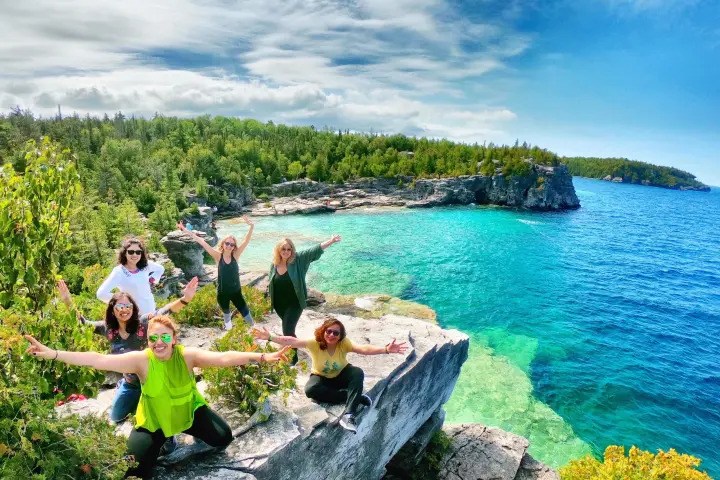
Rattlesnake Point is not currently listed as a regular bookable tour. Still, hikers who enjoy escarpment scenery can consider the Summertime Bruce Peninsula Road Trip. It is a guided 13-hour outing featuring a hike near the Grotto. The tour suits people who want a longer Ontario adventure. It also removes the need to arrange transport alone. Review current details on the
Camping and Rock Climbing
This is not a park where you camp by accident. Conservation Halton currently lists 18 campsites at Rattlesnake Point which must be booked before arrival. The sites suit tents and simple outdoor stays. They are not full-service RV resort sites; therefore, bring what you need for changing weather and cool nights.
Rock climbing is allowed only in set areas. The escarpment has many established routes, but climbing requires proper skills and gear. It is not a casual walk-up task for first-timers.
Keep these points in mind:
- Reserve campsites through Conservation Halton.
- Check current fire rules before lighting any flame.
- Use only approved climbing zones and access paths.
- Never tie climbing gear or anchors around trees.
- New climbers should go with a trained professional.
What to Bring for the Hike
You do not need costly outdoor gear. You need dry feet, enough water, and good judgement. The escarpment punishes flimsy shoes after rain. Weather can change quickly near the cliff edge. A warm car park may hide cool wind above the valley. Pack for the trail, not the dashboard forecast.
Bring these essentials:
- Shoes with firm tread
- Water for each hiker
- A light rain layer
- Snacks for longer routes
- A downloaded trail map
- Microspikes during icy weather
Dogs should stay leashed throughout the visit, and make sure to pack waste bags and carry filled bags out.
Final Thoughts
Rattlesnake Point Conservation Area works best when the hike matches your schedule. Choose Vista Adventure for a quick outing. Pick Buffalo Crag for the best first visit. Save Nassagaweya Canyon for a planned hiking day. Start early, carry enough water, and track your return time. The best view means little when daylight is running out.
FAQs
Q1: Is Rattlesnake Point suitable for beginners?
Yes. Vista Adventure Trail is short and fairly easy. Beginners should still wear firm shoes and avoid wet cliff edges.
Q2: How long does it take to hike Rattlesnake Point?
Vista Adventure takes about one hour, while the Buffalo Crag often needs up to two hours. The Crawford Lake return route can take several hours.
Q3: Which trail has the best lookout?
Buffalo Crag offers the classic escarpment scene. Nassagaweya Canyon Lookout provides a broader and often clearer valley view.
Q4: When is the best time to visit?
Weekday mornings offer lighter crowds. October brings rich fall colour, while winter reveals views hidden by summer leaves. Which version of the escarpment would you rather see?